Brain Injury Awareness Day
United States, Canada, Australia, United Kingdom
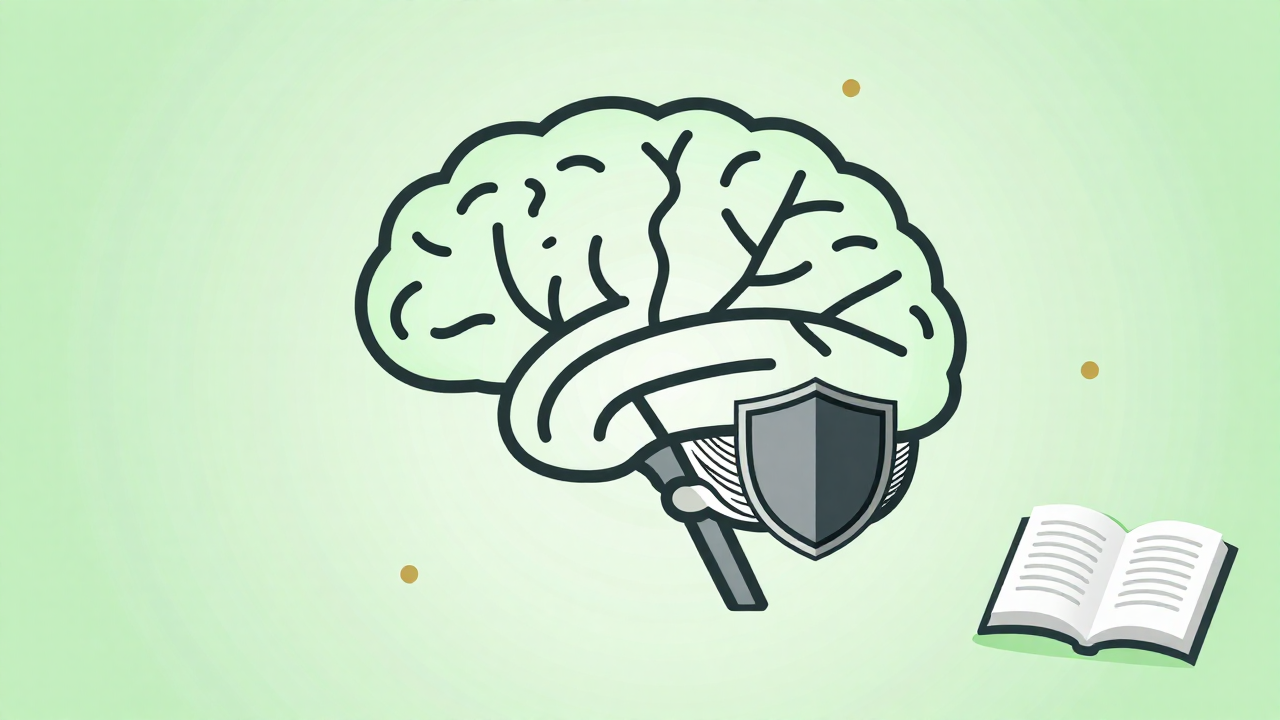
About
Brain Injury Awareness Day, observed on March 4, serves as a vital reminder of the challenges faced by individuals living with brain injuries and the importance of understanding these often invisible conditions. This day is dedicated to raising awareness, fostering education, and promoting advocacy for those affected by brain injuries, whether sustained from accidents, sports, or medical conditions. By shining a light on this issue, we aim to encourage empathy and support for survivors and their families, reminding everyone of the resilience of the human spirit.
On this special day, communities come together to share stories, provide resources, and promote initiatives that support brain injury research and rehabilitation. Events may include local workshops, informational sessions, and social media campaigns that highlight the experiences of those impacted by brain injuries. As we observe Brain Injury Awareness Day on March 4, let us unite in our commitment to understanding, advocating for, and supporting those who navigate the complex journey of recovery. Together, we can create a more informed society that embraces every individual's story and promotes healing and hope.
History
Brain Injury Awareness Day is observed annually on March 4, serving as a significant reminder of the impact of brain injuries on individuals and society at large. The observance was established to raise awareness about the various types of brain injuries, their prevention, and the importance of rehabilitation and support for those affected. The origins of this day can be traced back to the advocacy efforts of organizations dedicated to brain injury awareness and research, particularly the Brain Injury Association of America (BIAA). Since its founding in 1980, BIAA has worked tirelessly to educate the public and policymakers about the challenges faced by individuals with brain injuries, and the establishment of a dedicated awareness day was a natural progression in these efforts.
Over the years, Brain Injury Awareness Day has evolved into a platform for advocacy and education. Initially, the focus was primarily on raising awareness about traumatic brain injuries (TBIs) resulting from accidents, sports, and violence. However, as understanding of brain injuries expanded, the observance began to encompass a broader range of conditions, including acquired brain injuries resulting from strokes, tumors, or infections. This evolution reflects a growing recognition of the complexities of brain health and the need for comprehensive support systems for those impacted.
Culturally, Brain Injury Awareness Day holds significant importance as it fosters a sense of community and solidarity among survivors, families, and healthcare professionals. Events and campaigns surrounding the day often include educational seminars, community outreach programs, and social media initiatives aimed at spreading information. By engaging with the public, the observance seeks to dismantle stigmas associated with brain injuries and promote understanding of the challenges faced by those living with these conditions. The day serves not only as a call to action for increased funding and resources but also as a reminder of the resilience of individuals and families affected by brain injuries.
In conclusion, Brain Injury Awareness Day on March 4 stands as a vital observance dedicated to increasing awareness, promoting education, and advocating for the rights and needs of those with brain injuries. As it continues to evolve, the day symbolizes a collective effort to improve the lives of individuals affected by brain injuries and to foster an informed society that prioritizes brain health and safety.