Togo Independence Day (Togo)
Togo
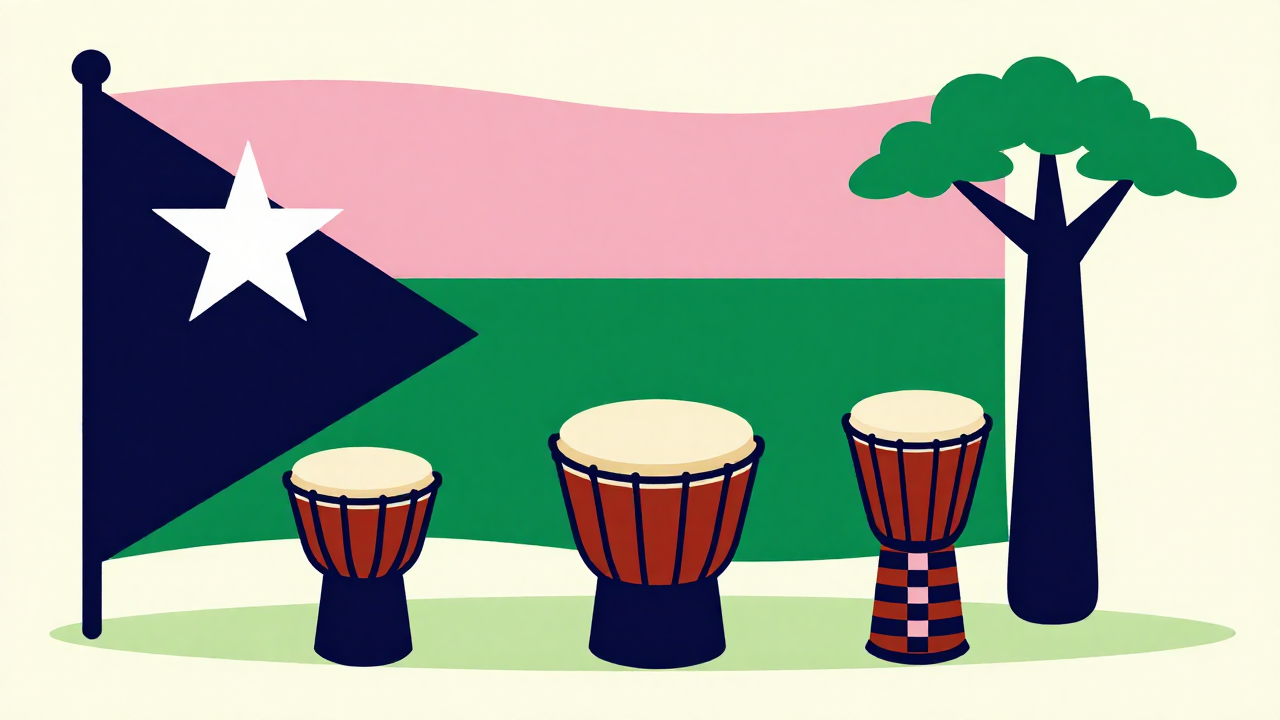
About
Togo Independence Day, celebrated on April 27, marks a pivotal moment in the history of the West African nation of Togo. This significant day commemorates the country’s liberation from colonial rule, as it gained independence from France in 1960. The celebration is not only a remembrance of the struggles faced during the fight for sovereignty but also a joyous occasion that showcases Togolese culture, unity, and pride. Communities across the nation come together in a vibrant display of national identity, with parades, music, dance, and traditional festivities that reflect the rich heritage of Togo.
As citizens don their national colors of blue, white, and red, the atmosphere is filled with a sense of hope and renewal. Families gather to share meals, and local markets buzz with activity as people purchase traditional foods and crafts. Schools and community organizations often organize events that educate the younger generation about the importance of independence and the values of freedom and self-determination. Togo Independence Day is not just a celebration of the past; it is a day that inspires the future, fostering a sense of unity and resilience among the Togolese people as they look forward to continued growth and progress.
History
Togo Independence Day (Togo) is observed annually on April 27, marking the day in 1960 when Togo officially gained independence from French colonial rule. The journey to independence was influenced by a growing nationalist movement throughout the mid-20th century, as many African nations sought to liberate themselves from European colonization. The roots of Togo's struggle for autonomy can be traced back to the aftermath of World War II, when the demand for self-governance intensified. The establishment of political parties, such as the Togolese United Party (Parti Togolais de l’Unité), played a crucial role in mobilizing the population and advocating for independence.
The path to independence was not without its challenges, including political strife and social unrest. In the years leading up to April 27, 1960, Togo experienced significant political upheaval, including the assassination of key leaders and tensions between different ethnic groups. Nevertheless, the persistent efforts of Togolese nationalists culminated in a peaceful transition to self-rule. On this significant day in 1960, Togo was recognized as a sovereign nation, and the first President, Sylvanus Olympio, assumed leadership. This moment marked a new chapter in Togo's history as it began to chart its own course on the international stage.
Over the years, Togo Independence Day has evolved into a celebration of national pride and unity. The observance is characterized by various festivities, including parades, cultural performances, and public speeches that highlight the achievements of the nation and its people. It serves as a reminder of the sacrifices made by those who fought for freedom and the importance of national identity. April 27 is a day for Togolese citizens to reflect on their shared history and to reaffirm their commitment to the values of democracy and development.
Culturally, Togo Independence Day holds significant importance as it fosters a sense of belonging among its diverse ethnic groups. The celebration encourages the showcasing of traditional music, dance, and art, which play a vital role in expressing the rich cultural heritage of the country. As Togolese people come together to commemorate their independence, they also embrace their collective aspirations for progress and prosperity, reinforcing the bond that unites them as a nation. Thus, April 27 stands not only as a day of remembrance but also as an occasion for hope and renewal for all citizens of Togo.