Freedom Day (South Africa)
South Africa
About
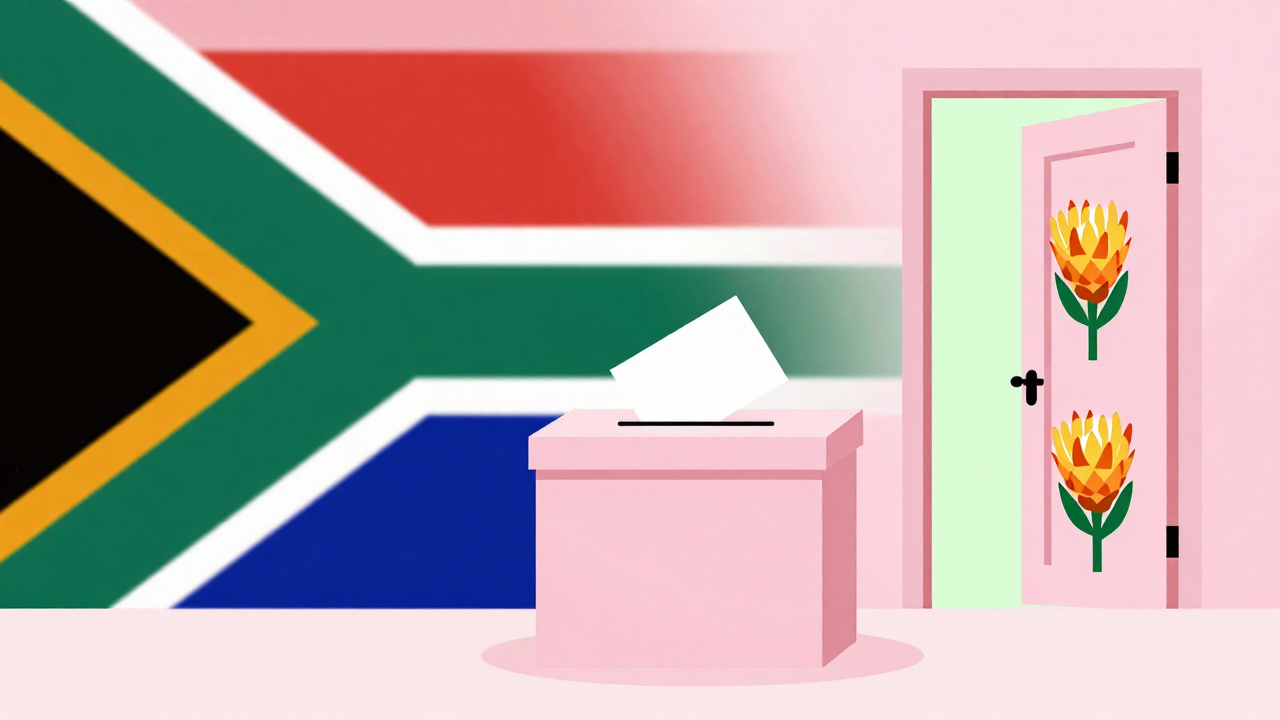
Freedom Day, celebrated on April 27, is a significant public holiday in South Africa that marks the anniversary of the first democratic elections held in 1994. This monumental event was a turning point in the nation’s history, as it signified the end of decades of apartheid and the beginning of a new era built on the principles of equality, freedom, and inclusivity. On this day, South Africans come together to reflect on the hard-fought struggle for freedom and to honor the legacy of those who sacrificed so much to ensure that every citizen could participate in shaping the future of their country.
The observance of Freedom Day is characterized by vibrant celebrations, including parades, cultural performances, and community gatherings. It serves as a reminder of the importance of democracy and human rights, encouraging citizens to engage in discussions about the progress made and the challenges that still lie ahead. As families and friends come together to celebrate their shared history, Freedom Day fosters a sense of unity and hope, inspiring generations to continue striving for a society where everyone’s voice is heard and valued. So, mark your calendars for April 27, and join in the spirit of celebration and reflection that defines this important day in South Africa's journey toward freedom.
History
Freedom Day (South Africa) is observed annually on April 27, commemorating the first democratic elections held in the country in 1994. This landmark election marked the end of decades of apartheid rule, a system characterized by racial segregation and discrimination enforced by the South African government. The origins of Freedom Day can be traced back to the long struggle against apartheid, which began in earnest in the early 20th century but gained significant momentum in the 1980s with widespread protests and international condemnation of the regime.
The historical significance of April 27 lies in its representation of a new era for South Africa. On this day in 1994, millions of South Africans of all races cast their votes for the first time, leading to the election of Nelson Mandela as the country’s first Black president. This moment not only symbolized the triumph of democracy over oppression but also signified the collective effort of countless individuals and organizations who fought tirelessly for equality and justice. As the African National Congress (ANC) emerged as the leading party, the day became a powerful reminder of the sacrifices made by those who resisted apartheid.
Over the years, Freedom Day has evolved into a national holiday celebrated with various events and activities that reflect South Africa's diverse culture and history. The day is marked by official ceremonies, including speeches from political leaders, cultural performances, and community gatherings that emphasize themes of unity and reconciliation. It serves as an opportunity for South Africans to reflect on their shared past, celebrate their achievements, and recommit to the ongoing struggle for social justice and equality.
Culturally, Freedom Day holds profound significance as it fosters a sense of national identity and pride. It encourages dialogue about the country's complex history and challenges, including issues related to poverty, inequality, and racial tensions that persist even today. By commemorating this day, South Africans are reminded of the importance of maintaining democratic values and striving towards a more inclusive society. Thus, April 27 stands as a pivotal moment in South African history, symbolizing both the hard-won freedoms of the past and the ongoing journey toward a more equitable future.