Time of Remembrance and Reconciliation for those who Lost their Lives during WWII
Canada, Germany, Italy, Russia, United Kingdom
About
On May 8, the world pauses to observe the Time of Remembrance and Reconciliation for those who Lost their Lives during WWII. This poignant observance invites individuals and communities to reflect on the profound sacrifices made during one of history's most tumultuous periods. It serves as a solemn reminder of the millions who lost their lives and the impact that conflict had on families and nations. As we remember, we also honor the resilience of those who survived and the lessons learned from the past, emphasizing the importance of peace and reconciliation in our contemporary world.
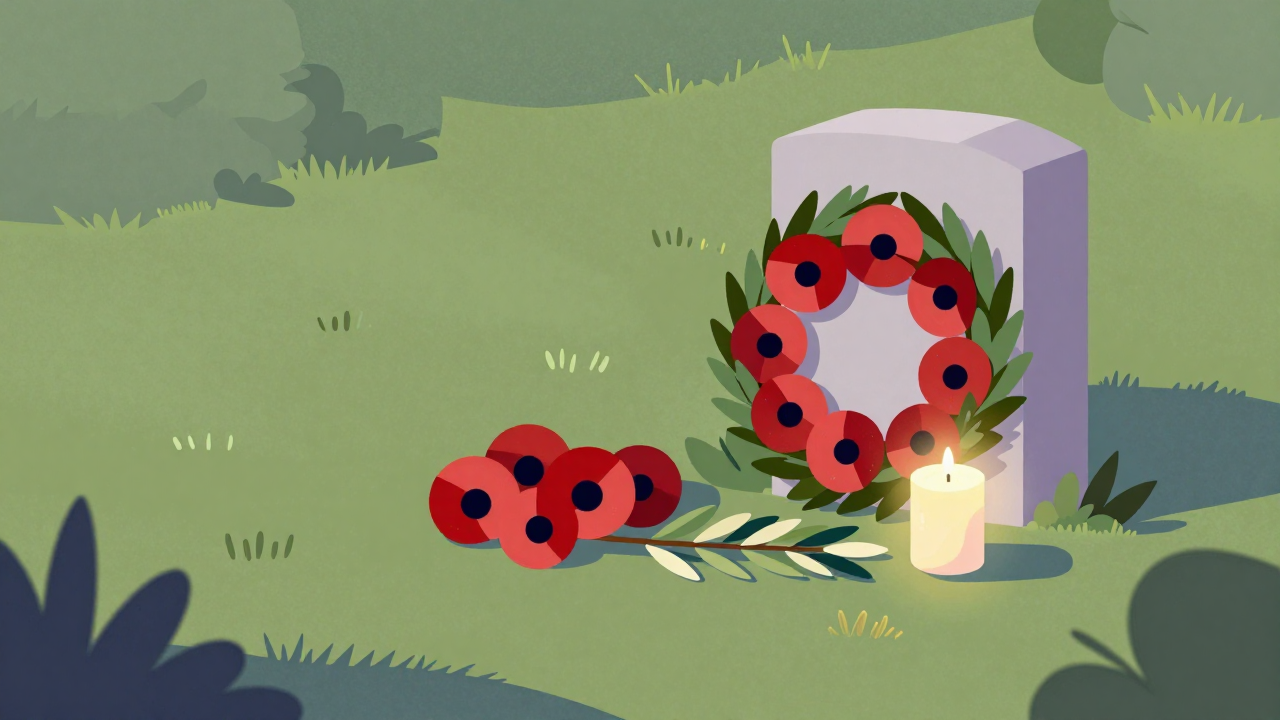
This day is not only about remembrance but also about fostering understanding and unity among nations. It encourages people to come together, share stories, and participate in ceremonies that honor the memory of the fallen. Many choose to light candles, lay flowers, or engage in community discussions that highlight the importance of peace. By acknowledging the past, we cultivate a spirit of empathy and commitment to ensuring that such tragedies are never repeated. As we mark this significant day, let us embrace the values of compassion and reconciliation, keeping the memory of those who sacrificed so much alive in our hearts and actions.
History
The "Time of Remembrance and Reconciliation for those who Lost their Lives during WWII" is observed annually on May 8, a date that holds significant historical importance as it marks the day in 1945 when the Allies formally accepted the unconditional surrender of Nazi Germany, effectively bringing an end to World War II in Europe. This observance was established by the United Nations in 2004 to honor the millions of people who lost their lives during the conflict, emphasizing not only remembrance but also reconciliation among nations affected by the war.
The origins of this observance can be traced back to the deep scars left by World War II, which claimed an estimated 70-85 million lives, including military personnel and civilians. In 2004, the UN General Assembly adopted a resolution calling for a day dedicated to reflection on the war's devastating impact. The choice of May 8 was intentional, linking the observance to Victory in Europe (VE) Day, while simultaneously shifting the focus from celebration to solemn remembrance and reconciliation. This duality represents a collective acknowledgment of the suffering endured throughout the war.
Over the years, the observance has evolved to include various activities that foster remembrance and promote peace. Nations around the world hold ceremonies and events, such as moments of silence, memorial services, and educational programs aimed at raising awareness about the consequences of war. The observance encourages individuals and communities to reflect on the importance of peace and the lessons learned from the past, thus serving as a reminder of the need to prevent future conflicts.
Culturally, the "Time of Remembrance and Reconciliation" resonates deeply in many societies, particularly in Europe, where the impacts of World War II are still felt today. It serves as a day for survivors, descendants, and nations to come together in a spirit of unity and healing. The observance is not only a tribute to those who perished but also a commitment to upholding peace and understanding among nations, ensuring that the horrors of the past are neither forgotten nor repeated. By participating in this day of remembrance on May 8, communities worldwide reaffirm their dedication to fostering a world free from the devastation of war.