Free Trade Day
About
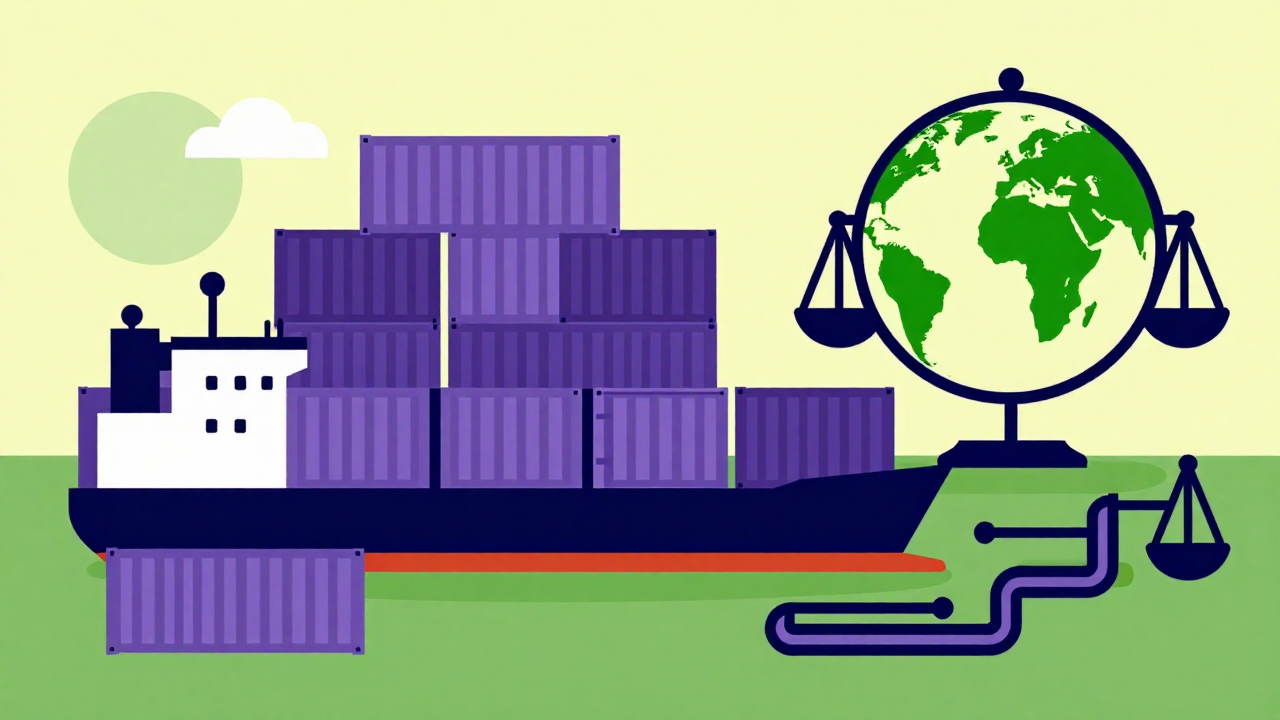
Free Trade Day, celebrated on May 8, is a special occasion that highlights the importance of trade agreements and the benefits of open markets. This observance encourages individuals and communities to reflect on how free trade fosters economic growth and sustainability, while also promoting international cooperation. By breaking down trade barriers, countries can exchange goods, services, and ideas, ultimately enhancing cultural understanding and prosperity for all involved.
On this day, people are invited to engage in discussions, educational events, and activities that promote the principles of free trade. Whether it's attending a local seminar, reading up on the economic impacts of trade policies, or simply sharing insights with friends and family, Free Trade Day serves as a reminder of the interconnectedness of our global economy. Embrace this opportunity to celebrate the spirit of collaboration and innovation that comes from thriving trade relationships, making May 8 a day to remember the positive ripple effects of a free trading world.
History
Free Trade Day is observed annually on May 8, celebrating the principles and practices of free trade, which advocate for the unrestricted exchange of goods and services between nations. The origins of this observance can be traced back to the broader movements advocating for free trade throughout the 19th and 20th centuries. During this period, various economic theories emerged, emphasizing the benefits of reducing tariffs and trade barriers to promote economic growth and international cooperation. One of the key figures in this movement was Adam Smith, whose seminal work "The Wealth of Nations" published in 1776 laid the groundwork for the modern understanding of free market economies.
As the global economy evolved, the significance of free trade became more pronounced, especially after the establishment of institutions like the General Agreement on Tariffs and Trade (GATT) in 1947 and its successor, the World Trade Organization (WTO), in 1995. These institutions aimed to facilitate international trade and promote economic collaboration among member nations. The observance of Free Trade Day on May 8 serves to highlight the importance of open markets and the elimination of trade barriers, as well as to remind policymakers and citizens alike of the ongoing debates surrounding trade agreements and their impacts on local economies.
Over the years, Free Trade Day has evolved to encompass discussions about fair trade practices, the balance between globalization and local economies, and the environmental implications of trade policies. As awareness of social justice and sustainability has grown, the celebration of Free Trade Day has expanded to include dialogues about ethical sourcing and equitable trade practices that benefit all parties involved. Activists and organizations often use this day to advocate for policies that support fair trade while also addressing the challenges of economic inequality and environmental degradation.
Culturally, Free Trade Day serves as a platform for educators, economists, and business leaders to engage the public in conversations about the importance of trade in fostering economic development and cultural exchange. Various events, panel discussions, and workshops are held to promote understanding of trade dynamics and their effects on daily life. By commemorating Free Trade Day on May 8, societies can reflect on the historical significance of trade and its continuing evolution, shaping the interconnected world we live in today.