The Day of Dombyra
Kazakhstan
About
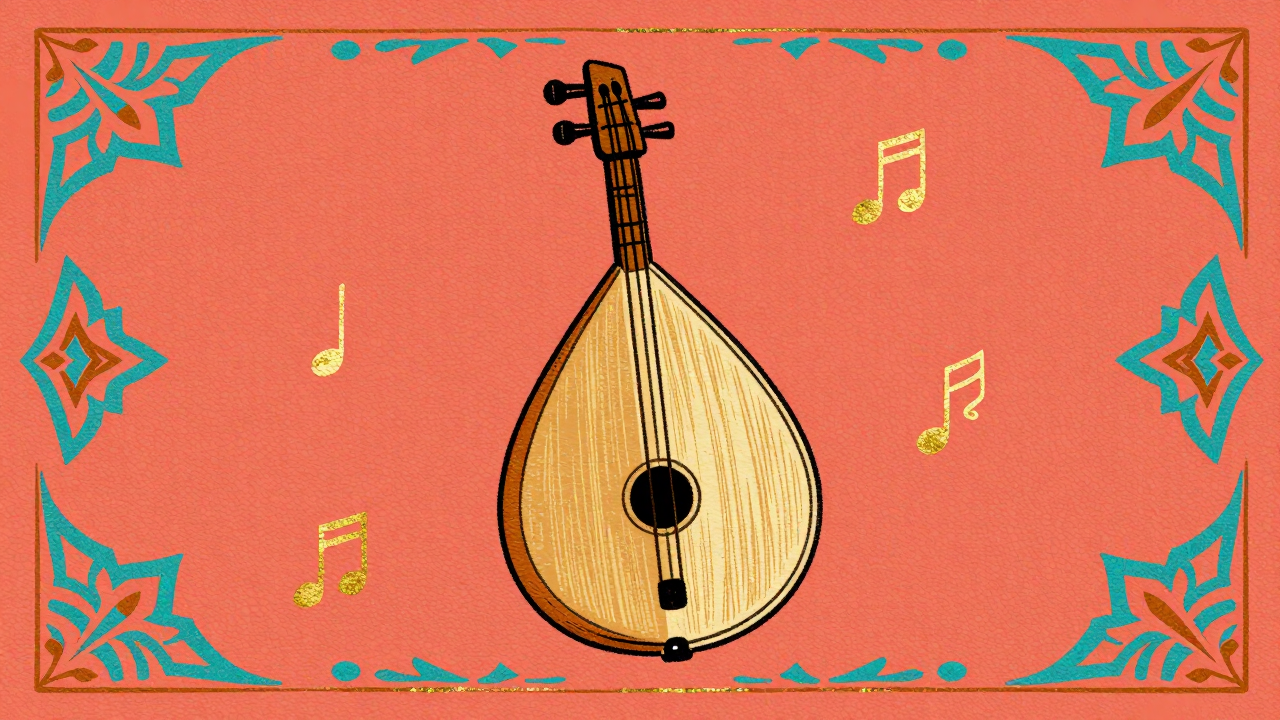
The Day of Dombyra, observed on July 4, celebrates Kazakhstan’s beloved traditional string instrument and the rich musical heritage it represents. With its distinctive pear-shaped body and two strings, the dombyra has long been central to Kazakh culture, accompanying folk songs, storytelling, and the expressive art of traditional instrumental music.
This observance is an invitation to appreciate the dombyra’s enduring place in national identity and everyday cultural life. People may mark July 4 by listening to dombyra performances, learning about renowned musicians, sharing traditional melodies, or simply enjoying the instrument’s lively, resonant sound. It is a joyful occasion that honors artistic tradition while encouraging its continued appreciation by new generations.
History
The Day of Dombyra is a cultural observance in Kazakhstan dedicated to the dombyra, the country’s best-known traditional string instrument. It is observed on **July 4**, celebrating an instrument that has long accompanied Kazakh songs, poetry, storytelling, and instrumental compositions known as *küy*. The dombyra’s simple construction—usually a long neck, two strings, and a pear-shaped wooden body—belies the range of rhythms and expressive sounds produced by skilled performers.
The instrument’s history is closely linked to the oral culture of the Kazakh steppe. For centuries, *küyshi* musicians used the dombyra to preserve historical memories, describe landscapes, express grief or joy, and recount the deeds of notable figures. Because musical traditions were often passed from teacher to student rather than written down, the dombyra became an important means of transmitting cultural knowledge between generations. Its repertoire includes works associated with celebrated composers and performers such as Kurmangazy, Dauletkerey, and Tattimbet.
The modern observance emerged amid renewed efforts in Kazakhstan to highlight national heritage and traditional arts. Public celebrations commonly feature dombyra concerts, performances by professional *küyshi* and young musicians, exhibitions, workshops, and educational programs. These activities reflect a broader cultural revival in which traditional music is presented not only as part of the past but also as a living art practiced in schools, cultural institutions, and communities.
The Day of Dombyra therefore has significance beyond the instrument itself. It honors the musicians and teachers who sustained the tradition, encourages younger generations to learn Kazakh music, and reinforces the dombyra’s role as a symbol of national identity. International recognition of the traditional art of dombyra *küy*—inscribed by UNESCO on its Representative List of the Intangible Cultural Heritage of Humanity in 2014—has further affirmed the importance of this musical heritage.