Build A Scarecrow Day
United States, Canada, United Kingdom
About
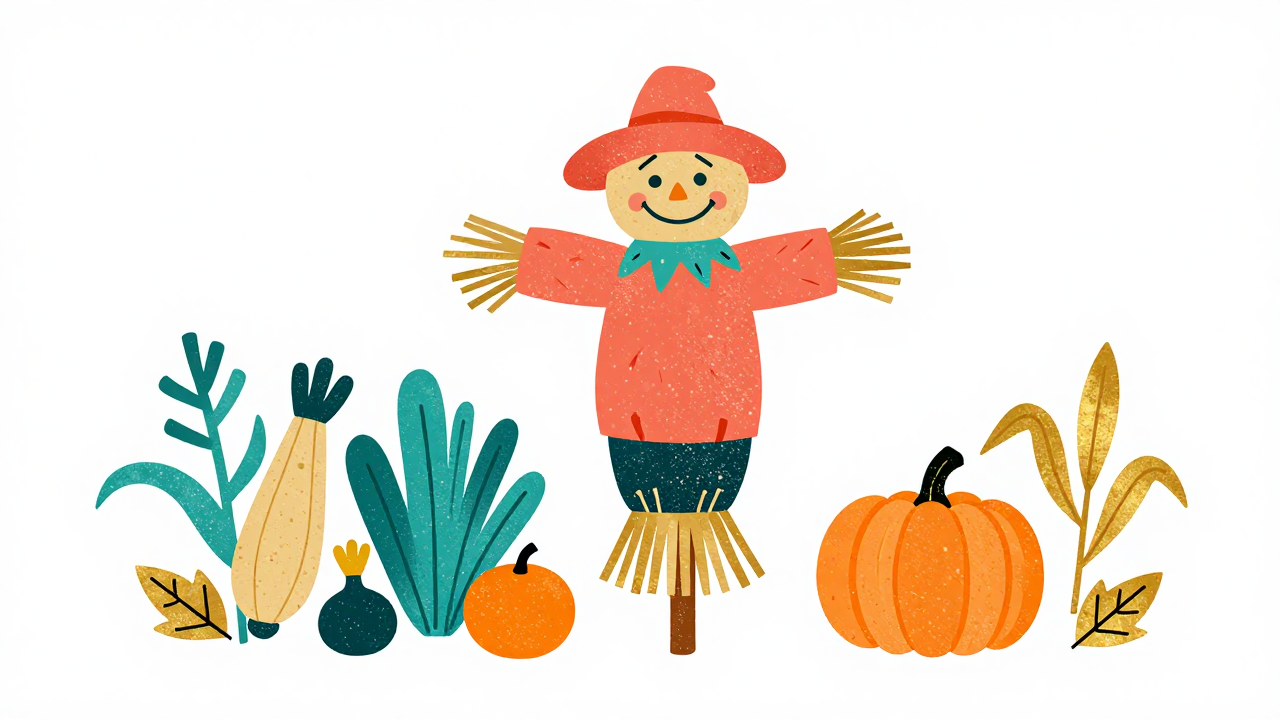
Build A Scarecrow Day, observed on July 4, invites people to celebrate one of the countryside’s most familiar and imaginative garden guardians. Traditionally placed in fields and gardens to discourage birds and other animals from disturbing crops, scarecrows have also become cheerful symbols of harvest season, rural life, and creative expression.
The day is a fun opportunity for families, classrooms, community groups, and gardeners to design and build a scarecrow of their own. Using simple materials such as old clothing, straw, fabric, and a sturdy frame, participants can create a character with a personality all its own. Whether displayed in a garden, yard, or community space, each handmade scarecrow adds a touch of whimsy while celebrating practical tradition and hands-on creativity.
History
**Build A Scarecrow Day**, observed annually on **July 4**, celebrates the tradition of making scarecrows and the important role these figures have played in agricultural life. The observance is associated with the longstanding practice of placing humanlike figures in fields to discourage birds and other animals from damaging crops. Although the precise founder and first year of Build A Scarecrow Day are not clearly documented, the holiday reflects a much older farming custom rather than the creation of a historically recorded individual or organization.
Scarecrows themselves have a long history. Farmers in different parts of the world developed methods of protecting grain and other crops from birds, using objects such as clothing, branches, masks, and carved figures. In Europe and North America, the familiar scarecrow eventually became a roughly human-shaped structure made from materials readily available on farms, including straw, wood, old garments, and hats. Its effectiveness depended partly on movement and novelty; birds could become accustomed to a stationary figure, which encouraged farmers to reposition or redesign scarecrows.
Over time, scarecrows evolved from practical field equipment into recognizable symbols of rural life and autumn agriculture. They began appearing in harvest displays, village decorations, school projects, farm festivals, literature, film, and popular art. Their appearance also became more varied: some are designed to look realistic, while others are deliberately humorous, colorful, or fantastical. This shift helped preserve the scarecrow as a cultural emblem even as modern farming adopted technologies that reduced reliance on traditional crop-guarding methods.
On July 4, Build A Scarecrow Day offers a hands-on way to connect with farming history and seasonal creativity. Constructing a scarecrow can teach children and adults about traditional agricultural practices, reuse of materials, design, and cooperation. The observance also highlights the relationship between people, crops, wildlife, and the rural landscape. Rather than commemorating a single documented historical event, it serves as an informal celebration of an enduring farm tradition and the ingenuity used to protect food from the field to the harvest.