The Battle of Pichincha Day
Ecuador
About
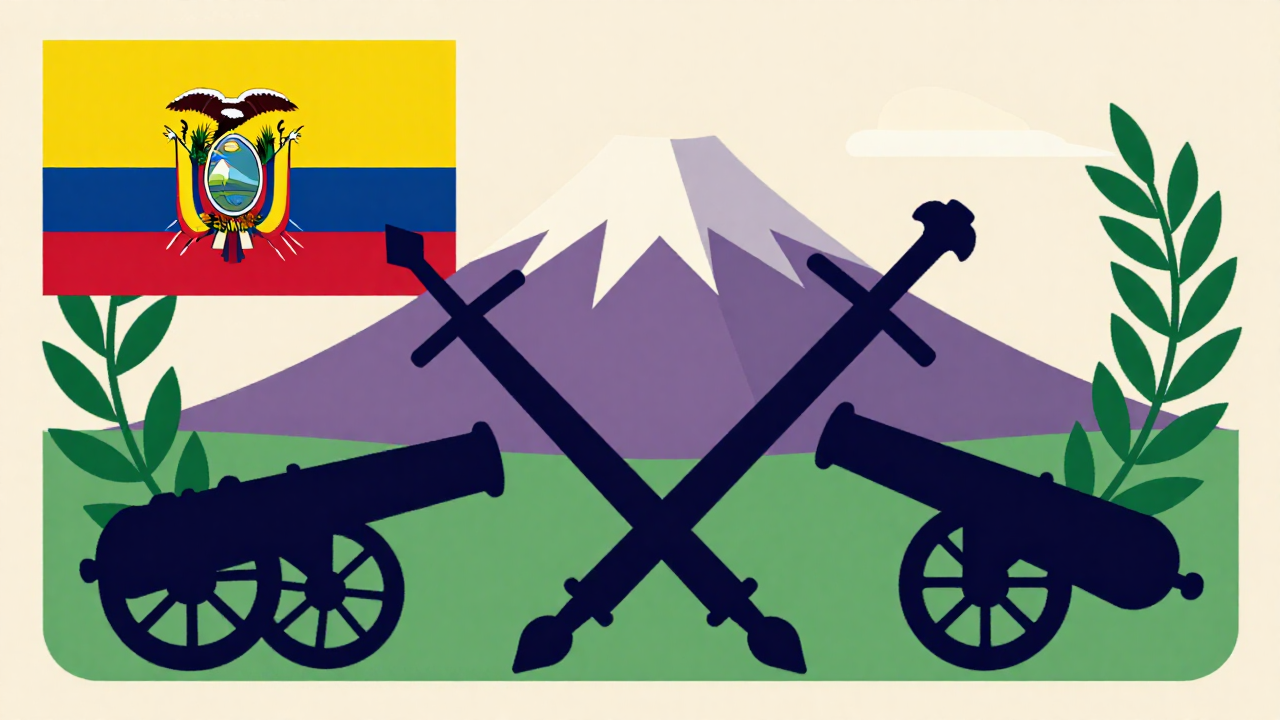
The Battle of Pichincha Day, observed on May 24, is a significant celebration in Ecuador, marking the pivotal event that led to the country's independence from Spanish rule. This day commemorates the fierce battle fought in 1822, high in the Andes Mountains, where Ecuadorian forces, led by the brave General Antonio José de Sucre, secured a crucial victory against the Spanish colonial army. This triumph not only paved the way for Ecuador's freedom but also contributed to the broader movements for independence across South America.
On this day, communities across Ecuador come together to honor their history and cultural heritage. Festivities often include parades, reenactments of the battle, and various cultural performances that highlight the nation’s rich traditions. Families and friends gather to share stories of bravery and resilience, fostering a deep sense of national pride. The Battle of Pichincha Day serves as a powerful reminder of the sacrifices made for freedom and the enduring spirit of the Ecuadorian people, making it a day of reflection, celebration, and unity every May 24.
History
The Battle of Pichincha Day is observed annually on May 24, commemorating the pivotal battle that took place in 1822 near Quito, Ecuador. This battle was a crucial moment in the struggle for independence from Spanish colonial rule. The forces led by General Antonio José de Sucre, a key figure in the South American independence movement and a close ally of Simón Bolívar, engaged the Spanish troops on the slopes of Pichincha Volcano. The victory not only solidified Ecuador's path toward independence but also contributed to the broader liberation efforts across the continent.
The origins of the observance date back to the early 19th century, as the region grappled with the struggle for sovereignty. Following the battle on May 24, 1822, Ecuadorians began to honor this day as a mark of their national pride and remembrance of the sacrifices made by those who fought for freedom. Over the years, the observance evolved from a local recognition of military valor to a national holiday, reflecting the growing sense of Ecuadorian identity and unity as a nation.
Culturally, The Battle of Pichincha Day holds significant importance as it not only celebrates military achievement but also embodies the spirit of independence and resilience. The day is marked by various festivities, including parades, reenactments, and educational events that highlight the historical context of the battle and its significance in Ecuador's history. Schools and communities often engage in discussions and activities that promote awareness of the country's struggle for freedom and the values of liberty and justice that emerged from it.
As time progressed, The Battle of Pichincha Day has come to symbolize more than just a military victory; it represents the enduring legacy of the fight for independence and the ongoing journey of nation-building in Ecuador. Celebrated on May 24 each year, it serves as a reminder of the collective efforts of those who sought to establish a sovereign nation and the importance of unity in the face of adversity. Through this observance, Ecuadorians reflect on their history, honor their heroes, and foster a sense of national pride that continues to resonate in the present day.