Eritrean Independence Day
Eritrea, United States, Canada, United Kingdom, Sweden, Italy
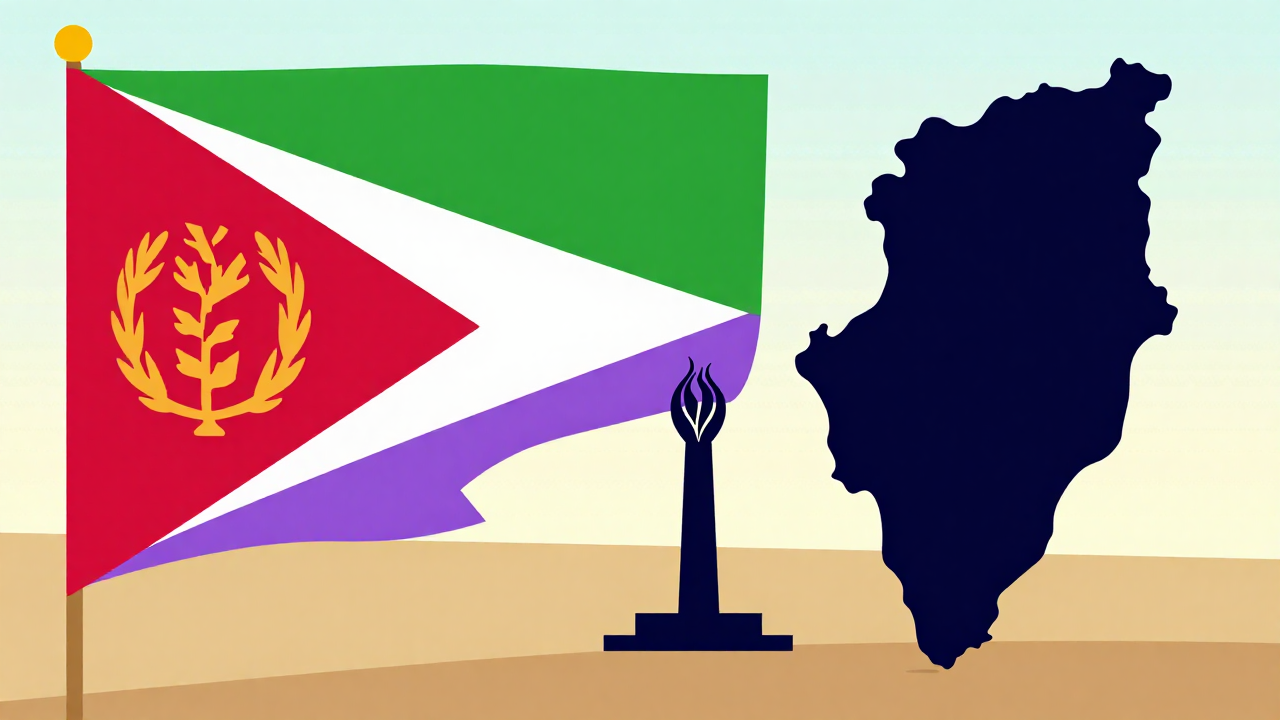
About
Eritrean Independence Day, celebrated on May 24, is a momentous occasion that marks the anniversary of Eritrea's liberation from Ethiopian rule in 1991. This day is a powerful reminder of the resilience and determination of the Eritrean people, who fought for nearly three decades to secure their freedom. The celebrations are filled with joy and patriotism, as communities come together to honor their history, culture, and the sacrifices made by those who fought for independence.
Throughout the day, vibrant festivities unfold, including parades, music, dance, and traditional food, creating a sense of unity and pride among citizens. It is a time for reflection on the struggles endured and the achievements gained, as well as an opportunity to promote national identity and cultural heritage. Eritrean Independence Day is not only a celebration of freedom but also a reaffirmation of the collective hope and aspirations of the Eritrean people for a prosperous future. As families and friends gather to commemorate this significant day, the spirit of independence and national pride shines brightly, showcasing the heart and soul of Eritrea.
History
Eritrean Independence Day, observed annually on May 24, marks a pivotal moment in the history of Eritrea, commemorating the nation's liberation from Ethiopian rule in 1991. The roots of this observance trace back to a prolonged struggle for independence that began in the early 1960s. Following years of colonial administration under the British and then annexation by Ethiopia, Eritreans organized a series of armed resistance movements, leading to the protracted Eritrean War of Independence. This conflict lasted nearly three decades, culminating in Eritrea's declaration of independence after a decisive military victory in May 1991.
Over the years, the observance of Eritrean Independence Day has evolved into a vibrant celebration of national pride and cultural identity. Initially marked by military parades and speeches highlighting the sacrifices made during the liberation struggle, the event has grown to include various cultural festivities, music, dance, and exhibitions showcasing Eritrean heritage. The transition from a day of somber remembrance of the struggle to a celebration of liberation reflects the resilience of the Eritrean people and their commitment to nation-building in the years following independence.
Culturally, Eritrean Independence Day serves as a unifying force for the nation, fostering a sense of belonging and national identity among its citizens. It is a day when Eritreans reflect on their shared history and the values of freedom and self-determination. The observance encourages participation from all corners of the country, as well as among the diaspora, who organize events and gatherings to celebrate their homeland's sovereignty. Through music, art, and communal activities, Eritreans express their pride in their culture and heritage, reinforcing their collective identity.
In summary, Eritrean Independence Day, celebrated on May 24, is a significant historical observance that encapsulates the struggles, triumphs, and cultural vitality of Eritrea. It is a day of remembrance, celebration, and reflection on the hard-won freedom that defines the nation’s identity, making it a cornerstone of Eritrean national consciousness.