Territory Day
Australia
About
Territory Day, observed on July 1, celebrates the anniversary of the Northern Territory gaining self-government in 1978. It is a day for Territorians to recognize the region’s unique identity, history, and growing sense of community.
The occasion is marked with lively public celebrations, live music, family activities, and spectacular fireworks. For many people, Territory Day is also a chance to enjoy the relaxed, adventurous spirit of the Northern Territory and reflect on the people and traditions that make the region distinctive.
History
Territory Day is observed on **July 1** in Australia’s Northern Territory. The date marks the commencement of the territory’s system of self-government in 1978, when administrative responsibility was transferred from the Australian federal government to the newly established Northern Territory Legislative Assembly and government. This change followed the **Northern Territory (Self-Government) Act 1978**, which created the constitutional framework for the territory’s local parliamentary government.
The observance developed as a public celebration of the Northern Territory’s political identity and increased control over its own affairs. Although the territory did not become a state, self-government gave its elected institutions authority over many areas of domestic administration. Territory Day therefore represents an important stage in the territory’s constitutional history, while also reflecting the continuing distinction between territorial self-government and the broader powers held by Australia’s states.
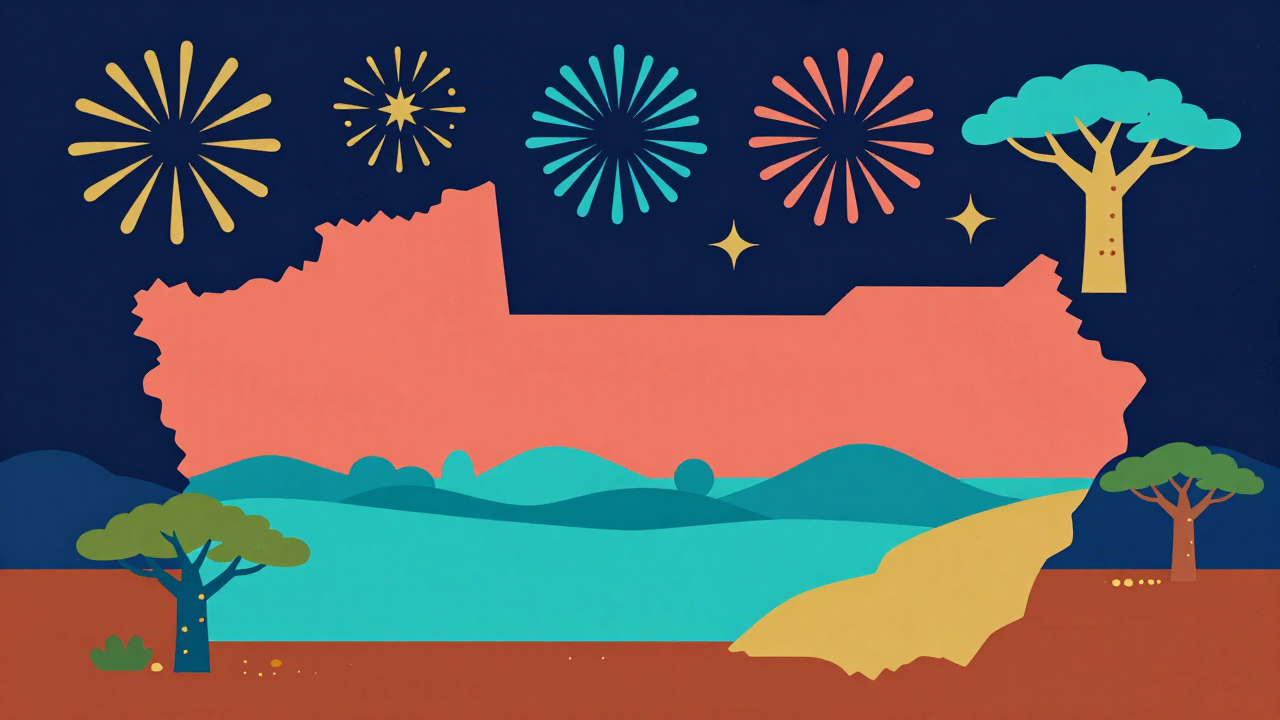
A distinctive feature of Territory Day is its association with fireworks. For many years, members of the public have traditionally been permitted to buy and use fireworks around July 1 under rules established by the Northern Territory government. This has made fireworks displays, community events, outdoor gatherings, and family celebrations central parts of the occasion. Regulations and local restrictions apply, particularly in built-up areas and places where fire danger is high, so the custom has always operated within a framework of public-safety and environmental controls.
Over time, Territory Day has become both a civic anniversary and a strongly regional cultural event. It is often presented as a celebration of the Northern Territory’s independence-minded character, frontier history, and distinctive lifestyle. At the same time, its history exists within the much longer story of Aboriginal peoples, whose cultures and connections to Country predate the creation of the territory and remain fundamental to its identity. In this context, July 1 commemorates the territory’s modern political self-government while also inviting reflection on the complex history of governance, colonisation, and citizenship in northern Australia.