CPC Founding Day
China
About
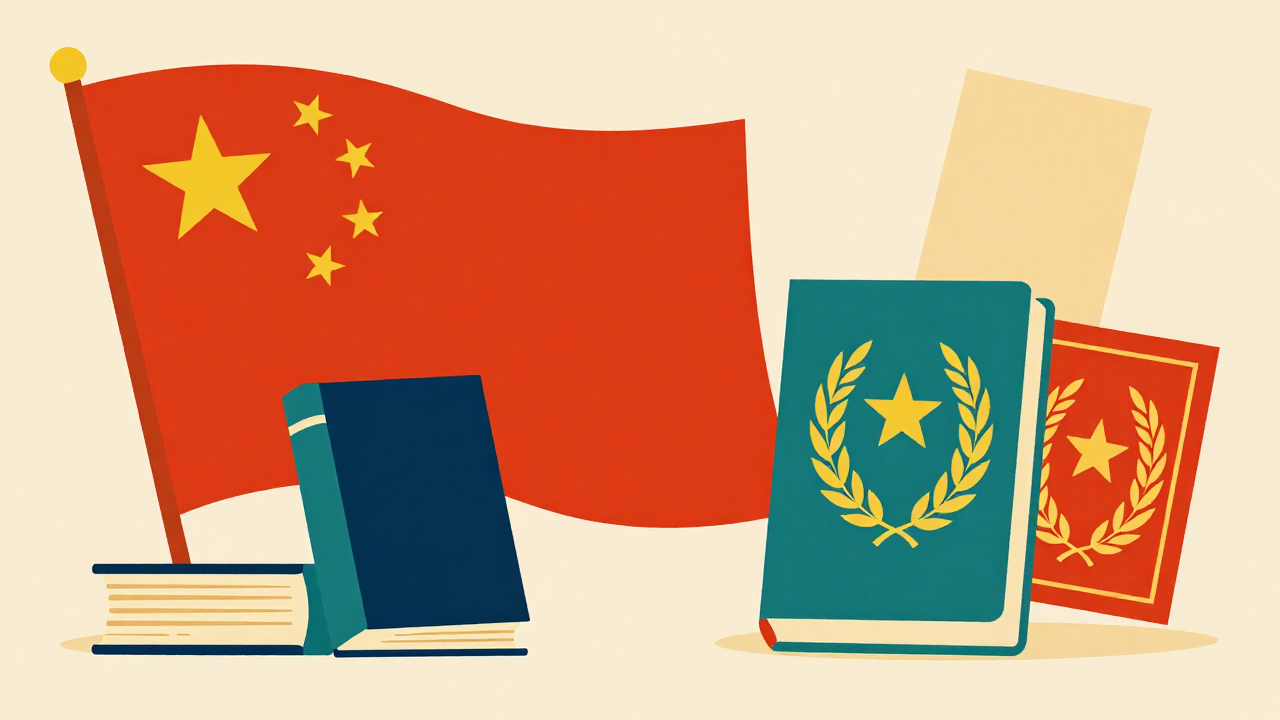
CPC Founding Day, observed on July 1, commemorates the founding of the Communist Party of China (CPC) in 1921. The occasion reflects on the Party’s history, its role in China’s political development, and the milestones that have shaped the country over the past century.
Across China, July 1 may be marked with commemorative ceremonies, educational programs, cultural activities, and tributes to those who have contributed to the nation’s development. It is also a time for people to look back on the CPC’s journey, celebrate national achievements, and consider hopes for China’s future.
History
CPC Founding Day, observed annually on **July 1**, commemorates the founding of the Communist Party of China (CPC). The party was established in 1921 amid political instability, social unrest, and growing interest in Marxist ideas following the May Fourth Movement of 1919. Its First National Congress began in Shanghai in July 1921 and later concluded aboard a boat in Jiaxing, Zhejiang, after participants moved to avoid police attention. The meeting formally established the party and adopted its initial organizational principles.
Although the CPC’s founding congress took place in July 1921, **July 1 was designated as the anniversary date later**, rather than being the confirmed opening day of the congress. In 1941, the party marked the 20th anniversary of its creation on July 1, helping establish the date as the official annual observance. The day therefore represents the party’s historical origins while also reflecting the importance later governments and party institutions attached to its revolutionary beginnings.
Over time, CPC Founding Day developed from an internal party anniversary into a major public and political observance in China. Activities commonly associated with July 1 include commemorative meetings, exhibitions, lectures, historical education, recognition of party members, and ceremonies welcoming new members. State media and public institutions often use the occasion to review the party’s role in the Chinese Revolution, the establishment of the People’s Republic of China in 1949, and subsequent national development.
The observance carries both historical and cultural significance. For the CPC, July 1 is a day to honor early organizers and revolutionary figures, emphasize party discipline and continuity, and renew commitments to the party’s stated goals. In broader public life, it serves as an occasion for patriotic education and reflection on modern Chinese history. Its meaning has consequently expanded beyond remembrance of the 1921 founding to include the party’s continuing influence on China’s political institutions, society, and national identity.