Tamil New Year
India, Sri Lanka, Malaysia, Singapore, Mauritius, South Africa, United States, Canada, United Kingdom
About
Tamil New Year, celebrated on April 14, is a vibrant and joyous occasion that marks the beginning of the new year in the Tamil calendar. This day is not only a time for fresh starts but also a heartfelt celebration of Tamil culture and heritage. Families come together to welcome the new year with a spirit of renewal, hope, and gratitude, often adorned in traditional attire that reflects their unique cultural identity. The festivities are filled with colorful rituals, delicious feasts, and the warm laughter of loved ones, making it a truly special time for all.
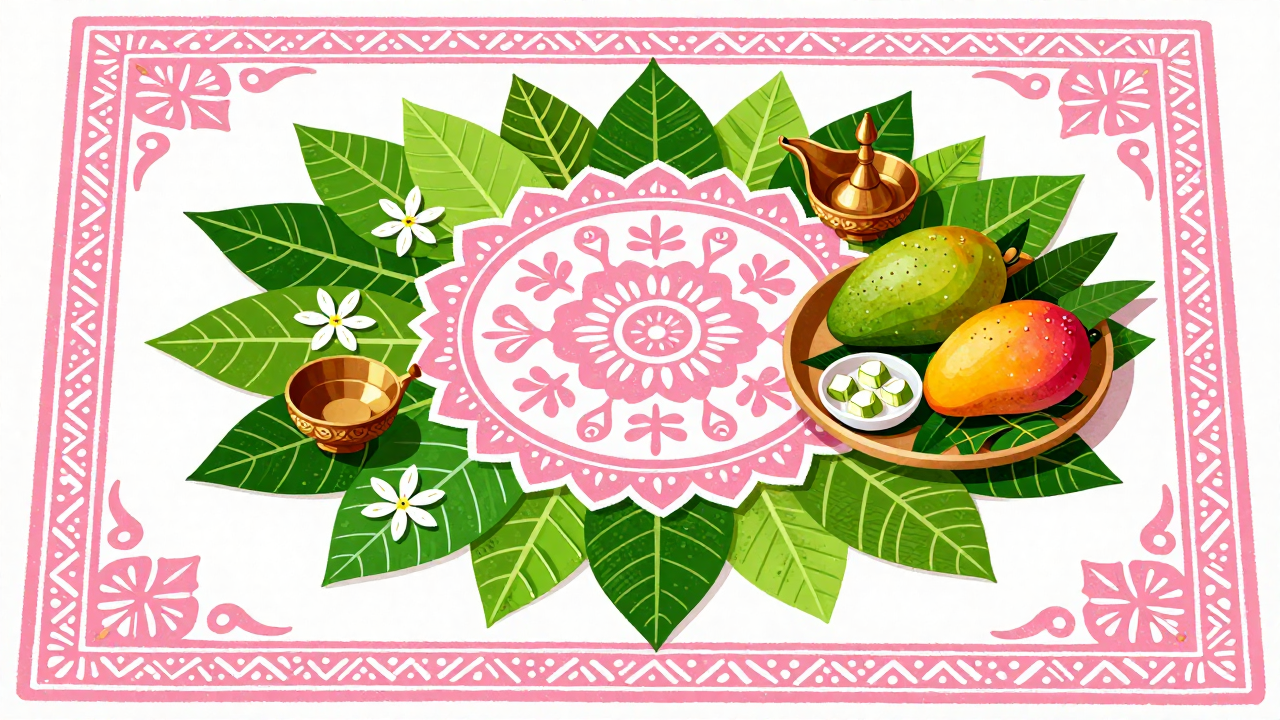
The celebration typically begins with the preparation of a special dish called "mavadu," which consists of raw mangoes, and the preparation of a traditional Tamil meal featuring a variety of flavors and aromas. Homes are often decorated with kolams, or intricate floor designs made from rice flour, symbolizing prosperity and good fortune. As the sun rises on April 14, families perform prayers and rituals to seek blessings for the year ahead, followed by visits to temples where they engage in community celebrations. Tamil New Year is a beautiful reminder of the importance of family, tradition, and the rich cultural tapestry that binds the Tamil community together.
History
Tamil New Year, known as Puthandu in Tamil, is celebrated annually on April 14. This date marks the beginning of the Tamil calendar year, which is based on the solar calendar. The observance is deeply rooted in the agricultural practices of the Tamil people, particularly those in Tamil Nadu, India, and among the Tamil diaspora worldwide. The origins of Tamil New Year can be traced back to ancient times, when it was primarily linked to the harvest season, symbolizing prosperity and renewal.
Historically, Tamil New Year has connections to the ancient Tamil calendar, which has been in use for over 2,000 years. This calendar is divided into twelve months, with each month named after a constellation. The celebration on April 14 coincides with the sun’s transition into the Mesha (Aries) zodiac sign, heralding the new year. Traditionally, this day is marked by various customs, including the preparation of a special dish called "mango pachadi," which symbolizes the mix of sweet and sour flavors that reflect the experiences of life.
Over the centuries, Tamil New Year has evolved from its agrarian roots into a broader cultural celebration that encompasses various customs and rituals. While the core of the observance remains focused on family gatherings, feasting, and rituals to welcome prosperity, it has also become a time for reflecting on personal and communal achievements over the past year. In contemporary celebrations, people engage in cultural performances, wear new clothes, and visit temples to express gratitude and seek blessings for the year ahead.
The cultural significance of Tamil New Year extends beyond mere celebration; it serves as a reaffirmation of Tamil identity and heritage. For Tamil communities around the world, this day acts as a focal point for cultural pride and unity. Through the observance of traditional practices, the festival helps preserve the language, customs, and traditions of the Tamil people, fostering a sense of belonging and continuity across generations. Thus, Tamil New Year is not only a time for celebration but also a vital expression of cultural resilience and identity.