Sun Day
About
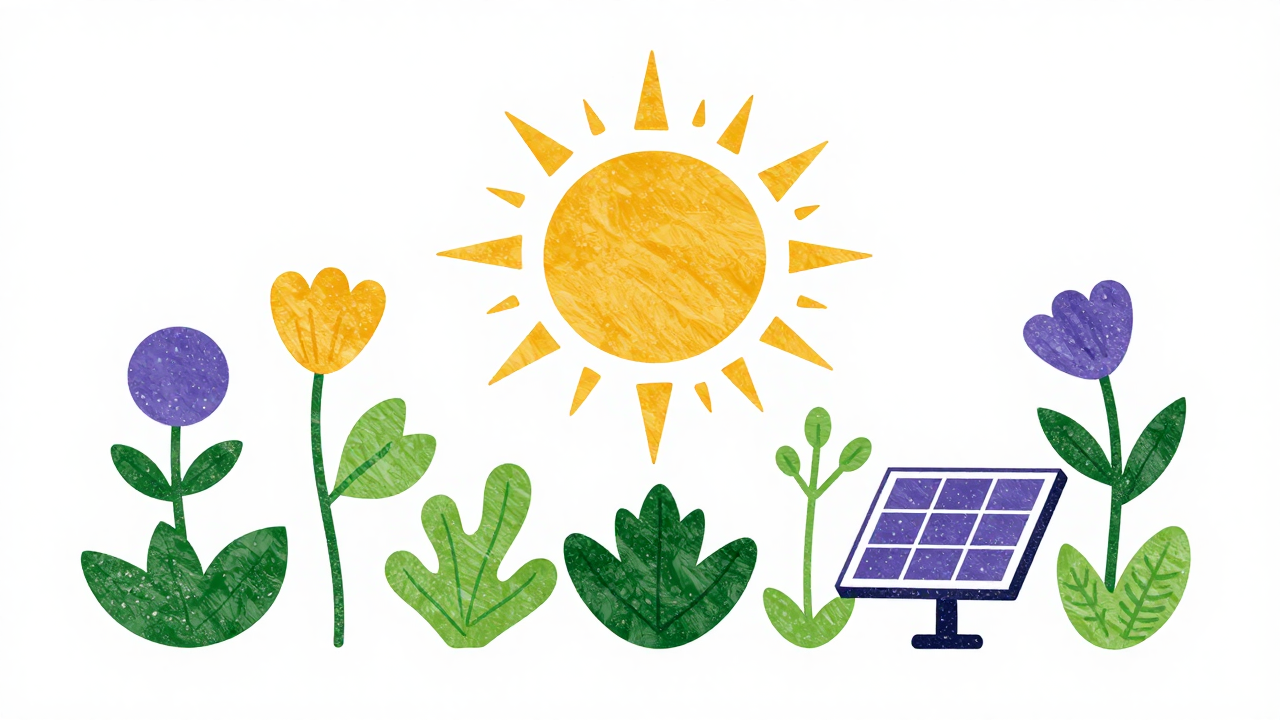
Sun Day, observed on May 3, is a delightful celebration dedicated to the warmth and brilliance of our closest star, the Sun. This special day encourages people to step outside, bask in the sunlight, and appreciate the vital role the Sun plays in our lives. From providing energy and warmth to nurturing the Earth’s ecosystems, the Sun is an essential part of our existence, making this observance a reminder to cherish and respect its presence.
On Sun Day, communities often gather for outdoor activities, from picnics in the park to nature walks, all while soaking up the sun's rays. It’s a wonderful opportunity to engage with friends and family, enjoy the beauty of nature, and raise awareness about the importance of solar energy and sustainability. So whether you're lounging in your backyard or embarking on an adventure in the great outdoors, take a moment on May 3 to revel in the sunshine and reflect on the life-giving power that the Sun provides. Celebrate Sun Day with joy, gratitude, and a renewed commitment to protecting our planet!
History
Sun Day, observed annually on May 3, is a celebration that highlights the importance of the sun in our lives and the environment. Its origins can be traced back to the growing awareness of solar energy and the need for sustainable practices. In the late 20th century, as environmental movements gained momentum, the significance of harnessing solar power became increasingly recognized. The establishment of Sun Day in the early 1990s aimed to raise public consciousness about solar energy's potential to reduce reliance on fossil fuels and combat climate change.
As the observance evolved, it began to encompass a broader appreciation for the sun and its life-sustaining properties. The day serves as a reminder of the sun's role in agriculture, ecosystems, and overall well-being. Educational institutions, environmental organizations, and community groups often organize events on or around May 3 to promote solar energy solutions, ecological awareness, and outdoor activities that celebrate nature. Workshops, seminars, and public demonstrations related to solar technology are common, fostering a culture that values renewable energy sources.
Culturally, Sun Day has grown to symbolize humanity’s connection to nature and the importance of sustainable living. It encourages people to reflect on their energy consumption habits and consider how they can contribute to a healthier planet. The observance has also inspired artistic expressions, with many artists and performers using the day to showcase works that celebrate the sun's beauty and its significance in various cultures throughout history.
In conclusion, Sun Day, celebrated on May 3, stands as a testament to the growing recognition of solar energy and its critical role in a sustainable future. It serves as both an educational platform and a cultural celebration, reminding us of the sun's vital contribution to life on Earth and the need to embrace renewable energy solutions for generations to come.