Stonewall Riots Anniversary
United States, Canada, United Kingdom, Australia, New Zealand, Ireland, Germany, France, Spain, Netherlands, Belgium, Sweden, Denmark, Norway, Finland, Iceland, South Africa
About
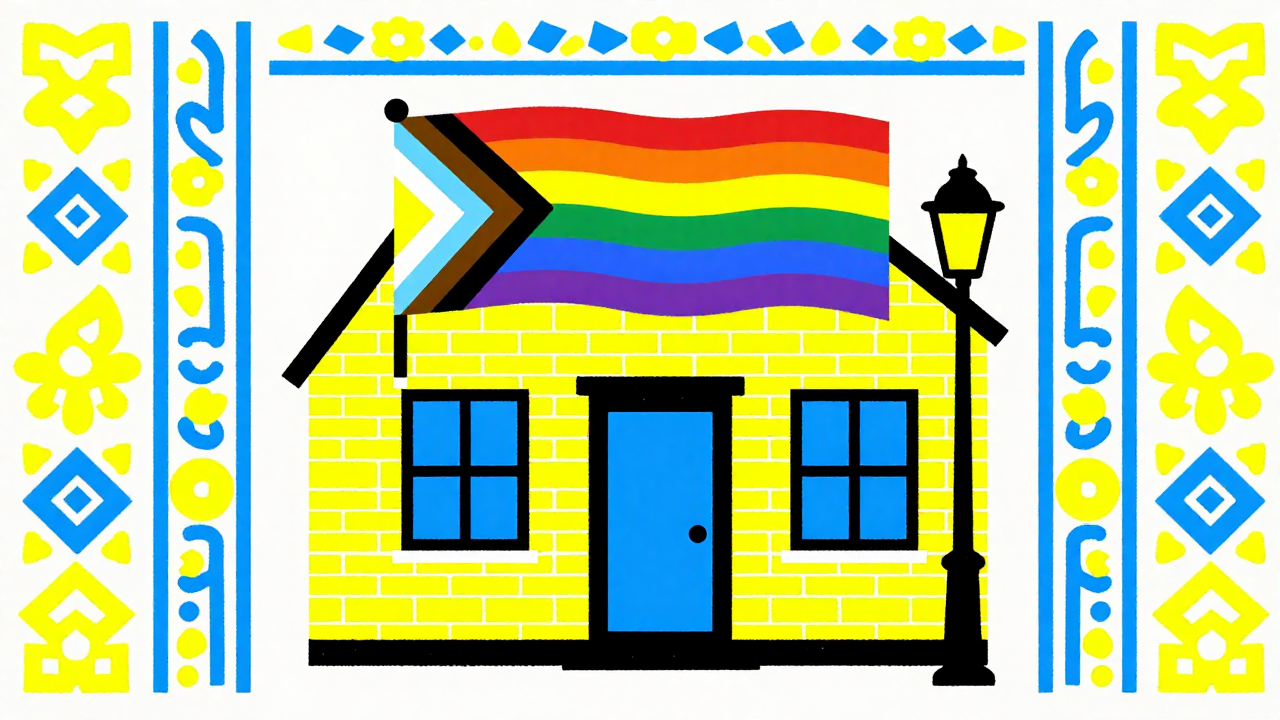
Stonewall Riots Anniversary, observed on June 28, commemorates the uprising at the Stonewall Inn in New York City in 1969. The demonstrations began after a police raid and became a defining moment in the modern LGBTQ+ rights movement, inspiring greater visibility, organizing, and calls for equality.
This observance is a time to remember the courage of those who resisted discrimination and to recognize the activists whose efforts helped advance LGBTQ+ rights. It also invites people to reflect on the progress made, acknowledge the work that continues, and celebrate the importance of community, dignity, and inclusion.
History
The Stonewall Riots Anniversary, observed on June 28, commemorates the beginning of the Stonewall uprising in New York City’s Greenwich Village. In the early hours of June 28, 1969, police raided the Stonewall Inn, a gathering place for LGBTQ+ people that was subject to frequent police harassment. On this occasion, patrons and people gathered outside resisted the raid, and demonstrations continued in the surrounding streets for several nights. The uprising became a defining moment in the modern LGBTQ+ rights movement, although it followed decades of organizing by LGBTQ+ communities and earlier challenges to discriminatory laws and policing.
The first anniversary observance took place on June 28, 1970. Organized by activists in New York, Los Angeles, and Chicago, these events included marches and public demonstrations that asserted LGBTQ+ visibility and demanded equal rights. New York’s event was initially known as Christopher Street Liberation Day, referring to the street where the Stonewall Inn is located. Rather than treating the uprising as an isolated incident, participants connected it to broader struggles involving employment discrimination, housing, criminalization, police abuse, and the right to live openly.
Over time, June 28 developed into an important commemorative date within the broader history of Pride. Annual marches and festivals expanded across the United States and eventually around the world, taking on different local names, forms, and political priorities. Some events emphasize celebration and community, while others retain the protest-oriented character of the early commemorations. The growth of these observances also reflects the influence of LGBTQ+ activists who organized before and after Stonewall, including transgender people, queer people of color, lesbians, gay men, bisexual people, and others whose work helped sustain the movement.
The anniversary has lasting cultural significance because it symbolizes resistance, solidarity, and the demand for dignity and equal treatment. It also encourages historical reflection: the Stonewall uprising did not single-handedly begin LGBTQ+ activism, and legal and social progress since 1969 has been uneven. Observing the Stonewall Riots Anniversary on June 28 therefore serves both as a remembrance of those who resisted oppression and as a reminder that the movement’s goals—including safety, equality, and recognition for marginalized LGBTQ+ communities—remain ongoing.