St. Lucia Independence Day
Saint Lucia
About
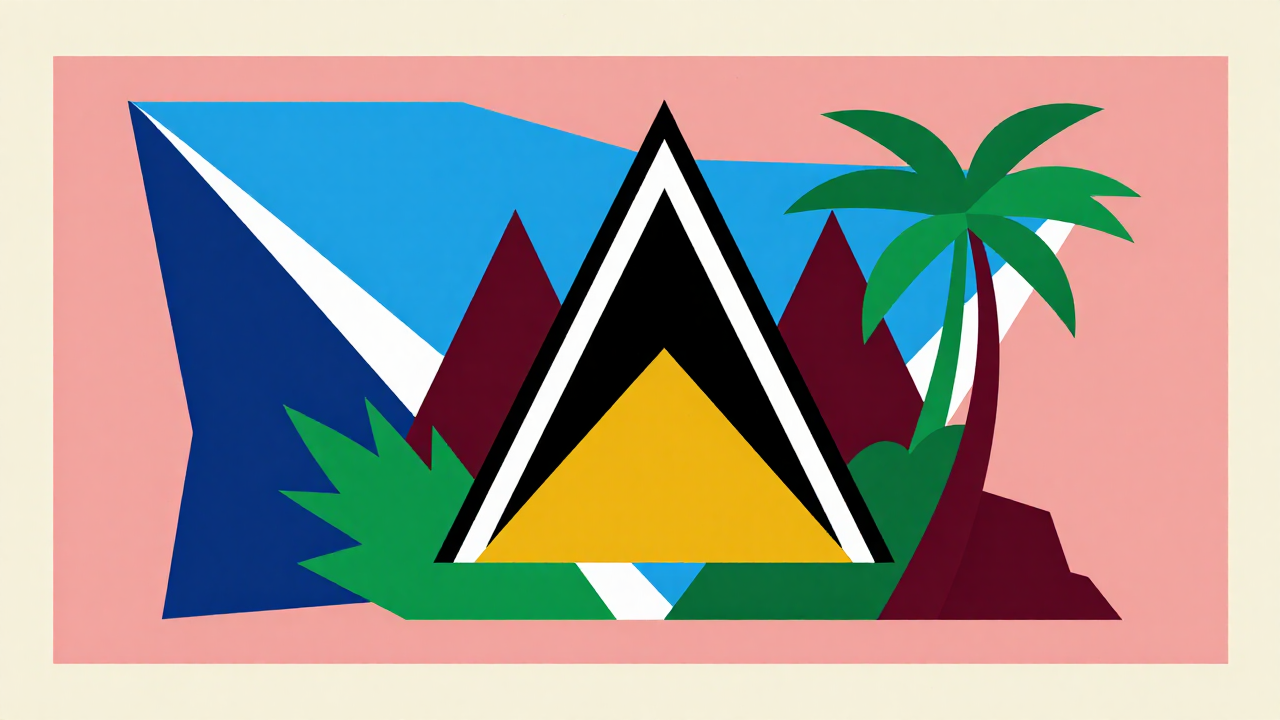
St. Lucia Independence Day, celebrated on February 22, is a vibrant and meaningful occasion for the people of St. Lucia, marking the day in 1979 when the island nation gained independence from British rule. This significant milestone not only symbolizes the triumph of self-governance but also reflects the rich cultural heritage and resilience of the St. Lucian people. The day is filled with national pride, as citizens come together to commemorate their history, achievements, and the continued journey towards a bright future.
Festivities on February 22 often include colorful parades, lively music, and traditional dance performances that showcase the island's unique blend of cultures. Schools, communities, and families participate in various activities, fostering a sense of unity and belonging. It's a time for reflection and celebration, where the spirit of independence is not only honored but also passed down to future generations, ensuring that the legacy of St. Lucia's struggle for freedom lives on in the hearts of its people.
History
St. Lucia Independence Day is celebrated annually on February 22, marking the day in 1979 when St. Lucia gained independence from British colonial rule. The journey to independence was shaped by a complex history of European colonization, conflicts, and efforts towards self-governance. Initially discovered by the European powers in the 16th century, the island changed hands between the French and British several times before finally becoming a British colony in 1814. The struggle for independence gained momentum in the mid-20th century, influenced by the broader decolonization movements across the Caribbean and the world.
As St. Lucia approached independence, significant political and social changes unfolded. The 1950s and 1960s were marked by the rise of local political parties advocating for greater autonomy and representation. In 1967, St. Lucia achieved a degree of self-governance with the establishment of a new constitution that allowed for a local government, while still remaining a British territory. This period saw increased engagement in political processes, with leaders such as Sir John Compton playing crucial roles in the eventual push for full independence. By February 22, 1979, St. Lucia became a sovereign nation, marking a pivotal moment in its history.
The evolution of St. Lucia Independence Day celebrations reflects the island's rich cultural heritage and national pride. Initially, the day was marked by formal ceremonies, speeches, and military parades, emphasizing the significance of self-determination. Over the years, the observance has evolved to include vibrant cultural displays, music, dance, and the showcasing of local cuisine, which foster a sense of unity and national identity among the citizens. Schools, community organizations, and government bodies participate in activities that highlight St. Lucia's history and achievements, reinforcing a collective memory of resilience and progress.
Culturally, St. Lucia Independence Day serves as a reminder of the island's journey toward self-governance and the importance of national unity. It encourages citizens to reflect on their shared history, celebrate their unique identity, and acknowledge the sacrifices made by those who fought for freedom. This day not only commemorates independence but also promotes the values of democracy and social progress, inspiring future generations to contribute positively to the nation. Observed with pride and joy, February 22 stands as a testament to the spirit of the St. Lucian people and their continuing journey toward development and self-actualization.