Independence Day Saint Lucia
Saint Lucia
About
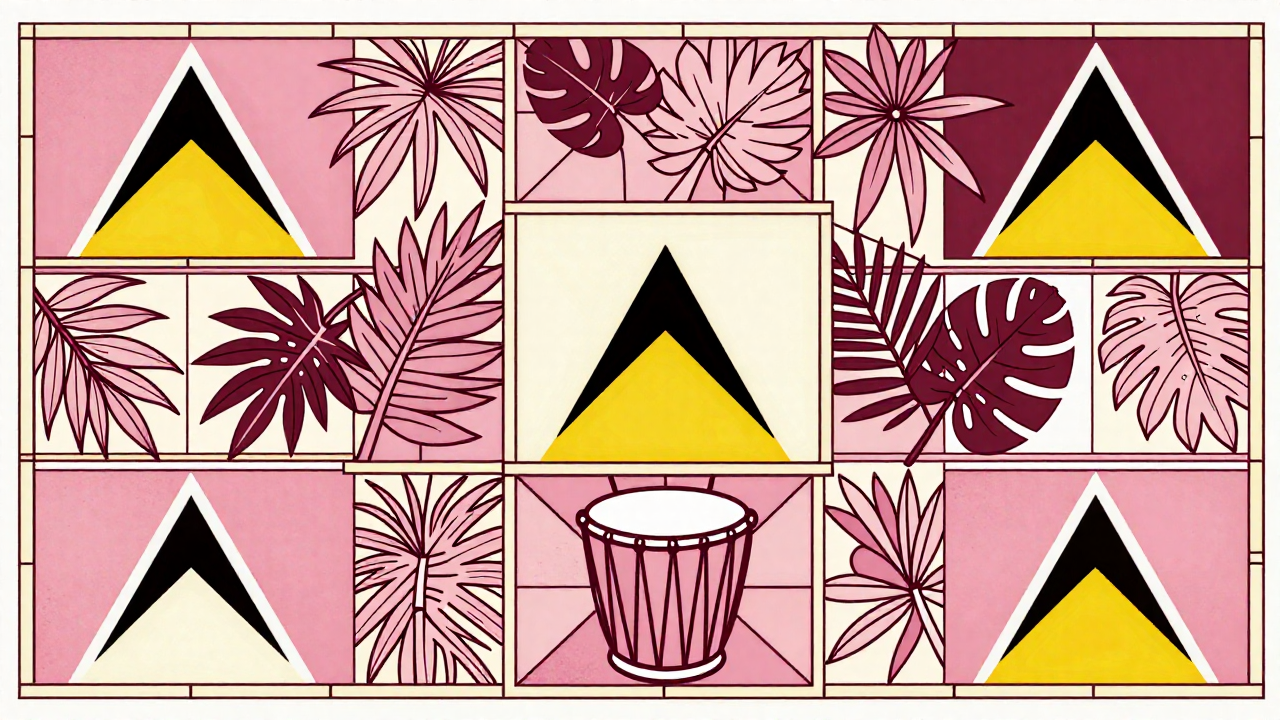
Independence Day in Saint Lucia, celebrated on February 22, is a vibrant and heartfelt observance that marks the country's liberation from British colonial rule in 1979. This significant day is a time for Saint Lucians to reflect on their rich history, cultural identity, and the journey towards self-governance. The celebrations are filled with national pride, showcasing the island's unique heritage through music, dance, and colorful parades that bring communities together in a spirit of joy and unity.
As the sun rises on February 22, festivities commence with flag-raising ceremonies, where the national flag is proudly displayed, symbolizing freedom and sovereignty. Throughout the day, a variety of events occur, from cultural performances that highlight local traditions to educational programs that remind citizens of their shared past and accomplishments. Independence Day serves not only as a reminder of the struggles faced but also as a celebration of resilience and hope for the future, making it a cherished occasion for all Saint Lucians, both at home and abroad.
History
Independence Day Saint Lucia is celebrated annually on February 22, marking a significant milestone in the nation's history. The observance commemorates Saint Lucia's independence from British colonial rule, which was achieved on February 22, 1979. The journey toward independence was rooted in a complex history of colonialism, struggle, and the pursuit of self-governance. Prior to gaining independence, Saint Lucia was a British colony, with its governance shaped by a series of colonial powers, including the French and British, which influenced its cultural and social fabric.
The road to independence for Saint Lucia began in the mid-20th century, amid a wave of decolonization sweeping across the Caribbean and other parts of the world. Political movements advocating for self-determination gained momentum, leading to increased calls for independence. In 1967, Saint Lucia achieved a measure of internal self-government, which paved the way for further discussions on full independence. The efforts of local leaders and political activists were crucial in mobilizing the populace and fostering a sense of national identity, ultimately culminating in the historic moment when independence was declared in 1979.
Over the years, Independence Day has evolved into a celebration of national pride and cultural heritage. The observance is marked by various activities, including parades, cultural performances, and ceremonies that highlight the achievements of the nation and its people. Schools, communities, and government institutions participate actively, showcasing the rich traditions and customs of Saint Lucia. This day serves not just as a reminder of the struggle for independence but also as an opportunity for citizens to reflect on their national identity and the values of freedom and democracy.
Culturally, Independence Day holds a significant place in the hearts of Saint Lucians. It is a time for unity and celebration of the island's diverse heritage, often featuring local music, dance, and culinary delights that showcase the vibrant culture of Saint Lucia. The observance fosters a sense of belonging and collective memory among the population, reinforcing the ideals of patriotism and resilience. As the nation continues to grow and evolve, Independence Day remains a cornerstone of Saint Lucia’s national consciousness, reminding its people of their past while inspiring future generations to embrace their autonomy and heritage.