St. David's Day
United Kingdom, Canada, United States, Australia, New Zealand
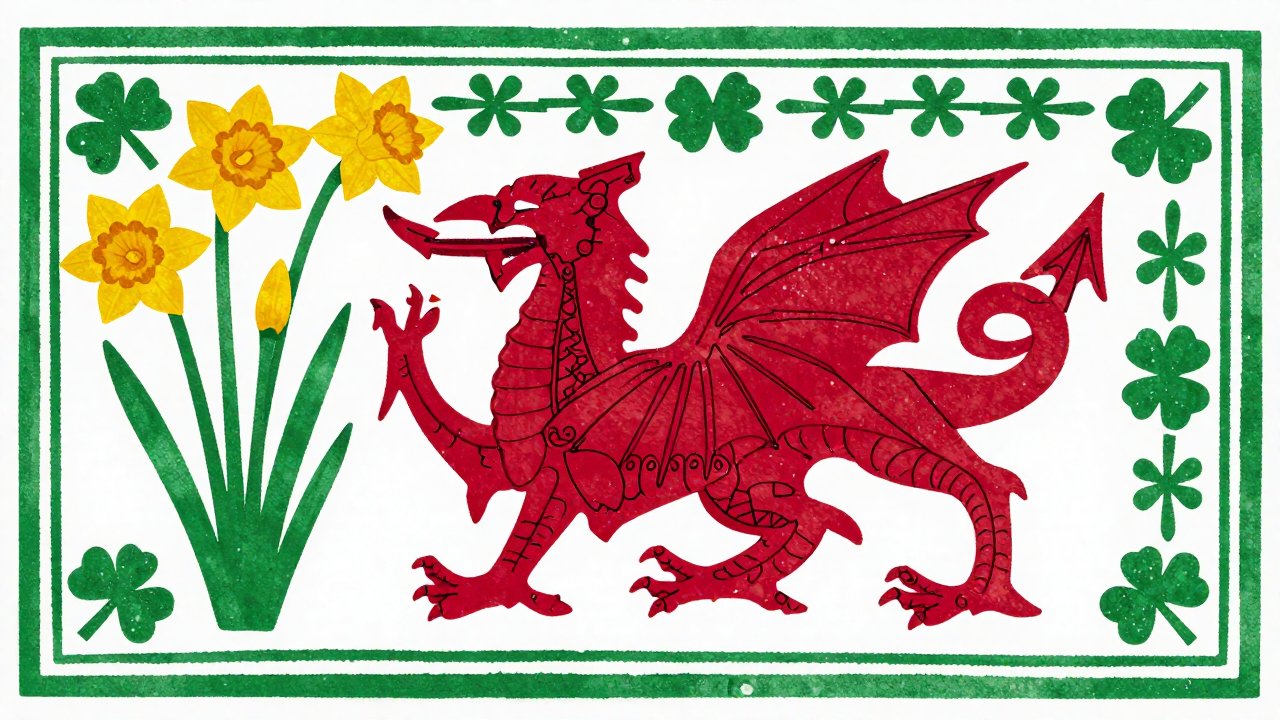
About
St. David's Day, celebrated on March 1, is a vibrant and heartfelt tribute to the patron saint of Wales, St. David. This day not only honors the life and teachings of St. David, who lived in the 6th century, but it also serves as a celebration of Welsh culture and heritage. St. David is known for his commitment to a simple, austere life and his dedication to spreading Christianity throughout the region. Many believe that his last words, "Be joyful, keep the faith," capture the essence of his teachings and the spirit of the celebrations that take place on this special day.
As March 1 approaches, communities across Wales and beyond come alive with festivities that reflect national pride. Traditional Welsh attire, including the iconic daffodil and leek, is worn, and parades showcasing music, dance, and local cuisine fill the streets. Schools often engage students in activities that teach them about their rich history, while families gather to enjoy a hearty meal featuring dishes like cawl and Welsh cakes. St. David's Day is not just a day of remembrance; it is a joyful celebration that encourages everyone to embrace and share in the beauty of Welsh culture. Whether you’re from Wales or simply have an appreciation for its traditions, March 1 is a wonderful opportunity to celebrate the warmth and spirit of this remarkable nation.
History
St. David's Day, observed on March 1, honors the patron saint of Wales, St. David, who is believed to have died on this day in 589 AD. The celebration of St. David's Day has its roots in the early Christian church in Wales, where David was venerated for his pious life and the establishment of monastic communities throughout the region. According to tradition, David was known for his ascetic lifestyle and his teachings, which emphasized simplicity and humility. His most famous act was said to be the creation of a monastery at Glyn Rhosyn, now known as Glastonbury, where he encouraged the spread of Christianity. Over the centuries, St. David's Day became a significant religious observance, marked by church services and feasts in his honor.
As time progressed, St. David's Day evolved from a primarily religious observance into a broader celebration of Welsh culture and identity. By the 18th and 19th centuries, the day began to incorporate various nationalistic elements, particularly during the Welsh cultural revival. The establishment of societies dedicated to promoting Welsh language and heritage, such as the Gorsedd of Bards and the National Eisteddfod, helped solidify St. David's Day as a symbol of Welsh pride. The day became a time not only for reflection on the life of St. David but also for celebrating the unique customs, music, and arts of Wales.
Culturally, St. David's Day is significant for its role in fostering a sense of national identity among the Welsh people. It is marked by various festivities across Wales and among Welsh communities worldwide, including parades, concerts, and traditional food. Traditional symbols associated with St. David's Day, such as the daffodil and leek, are worn proudly by many, highlighting their connection to Welsh heritage. Schools often engage students in activities that celebrate Welsh culture, and community events bring people together to honor their shared history.
In contemporary times, St. David's Day continues to be a vibrant celebration, with a mix of religious observance and cultural festivities. It serves as an important reminder of Wales' rich history and traditions while fostering a spirit of unity among its people. Celebrated annually on March 1, St. David's Day remains a cherished occasion that reflects the enduring legacy of St. David and the cultural pride of the Welsh nation.