Spring Equinox
United States, Canada, Mexico, Japan, India, Iran, China, South Korea, Australia, New Zealand
About
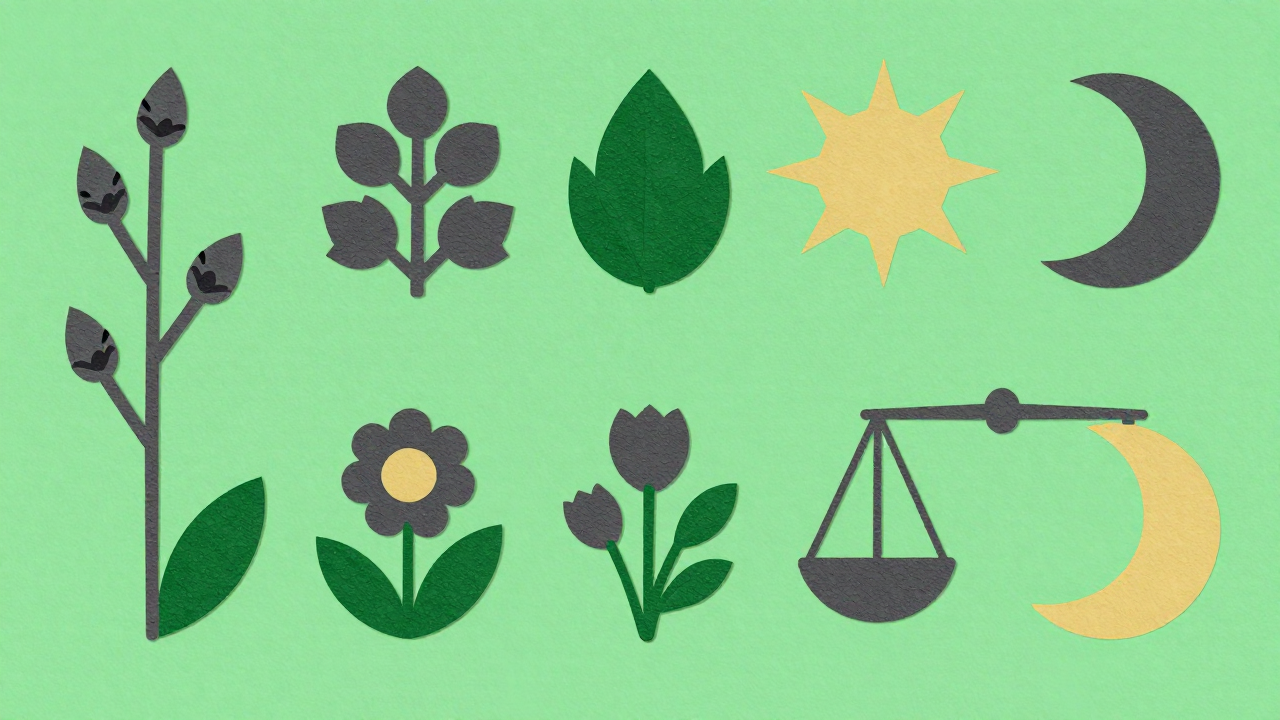
The Spring Equinox, celebrated on March 20, marks the moment when day and night are nearly equal in length, signifying the official arrival of spring in the Northern Hemisphere. This enchanting day invites people to embrace the rejuvenation of nature, as flowers begin to bloom, trees don their fresh green leaves, and the air is filled with the sweet scent of renewal. It's a time to celebrate the balance between light and dark, symbolizing harmony and the potential for growth that the coming season holds.
Cultures around the world have long acknowledged the significance of the Spring Equinox. Many embrace it as a time for reflection, gratitude, and new beginnings. Festivals and rituals are held to honor the earth's cycles, often involving planting seeds, enjoying outdoor gatherings, or engaging in community activities that foster connection and harmony. As March 20 approaches, people are encouraged to step outside, soak in the longer daylight, and welcome the warmth and vibrancy of spring, making it a perfect occasion to rekindle joy and hope.
History
The Spring Equinox, observed on March 20, marks a significant astronomical event when day and night are approximately equal in length. This occurrence has been recognized and celebrated by various cultures throughout history, symbolizing new beginnings, rebirth, and the arrival of spring. The origins of the Spring Equinox can be traced back to ancient civilizations that relied heavily on agriculture. For these societies, the equinox signified the end of winter and the start of the growing season, which was crucial for their survival and prosperity.
In ancient Mesopotamia, the Spring Equinox was celebrated as a time of renewal and fertility. The Babylonians held festivals in honor of their gods, and rituals were performed to ensure a bountiful harvest. Similarly, ancient Egyptians celebrated this time with the festival of Ostara, which honored the goddess of fertility and spring. The symbolism of the equinox was also prominent in the traditions of the ancient Greeks and Romans, who associated it with various deities and myths related to agriculture and rebirth. As cultures evolved, so too did the observance of the equinox, with many societies incorporating their own customs and rituals, highlighting its widespread significance.
As time progressed, the Spring Equinox continued to play an important role in various religious and cultural practices. In modern times, many cultures still honor this date in various forms. For instance, in Japan, the equinox is celebrated through the observance of Shunbun no Hi, a day when families gather to pay respects to their ancestors and enjoy the blooming cherry blossoms. In the Western world, the equinox is often associated with Easter, which is celebrated in spring and has connections to themes of resurrection and renewal, reflecting similar sentiments found in ancient traditions.
The Spring Equinox also holds scientific and astronomical significance. It represents one of the two points in the year when the Earth's tilt is such that the sun is directly above the equator, resulting in nearly equal lengths of day and night. This phenomenon has been studied for centuries, contributing to our understanding of Earth's movements and the passage of time. As societies continue to evolve, the Spring Equinox remains a powerful reminder of the cyclical nature of life, the changing seasons, and the hope that comes with new beginnings, celebrated each year on March 20.