Feast of Saint Joseph
Italy, Malta, Spain, Portugal, United States, Canada, Philippines, Croatia, Mexico, Argentina
About
The Feast of Saint Joseph, celebrated on March 20, is a special day dedicated to honoring the life and contributions of Saint Joseph, the earthly father of Jesus and the husband of the Virgin Mary. This observance beautifully reflects the values of family, devotion, and humility that Saint Joseph embodied. As a figure revered in Christianity, especially within the Catholic tradition, he is often seen as a model of patience, hard work, and protective love. On this day, many gather in prayer and reflection, acknowledging his vital role in the Holy Family and seeking his intercession in their own lives.
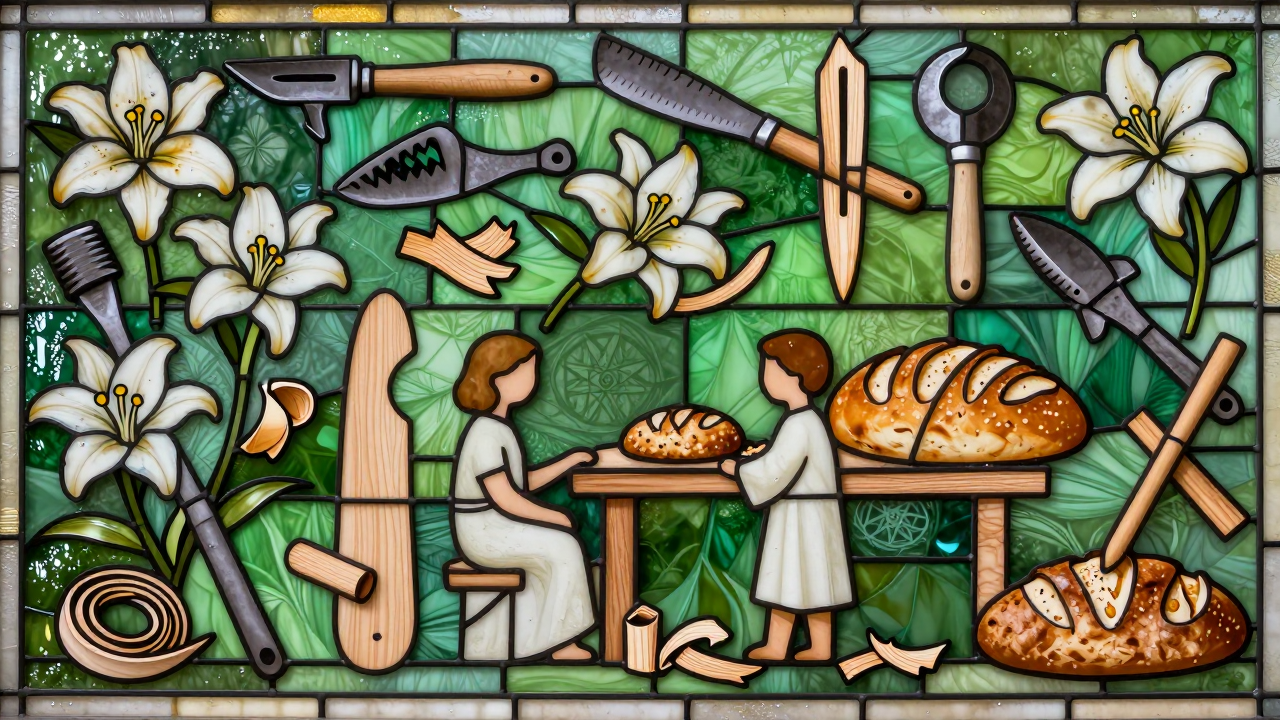
Traditions surrounding the Feast of Saint Joseph are rich and varied, often featuring festive meals and communal gatherings. Many cultures prepare special dishes, with pasta and pastries being popular choices, reflecting the joy and gratitude associated with this celebration. In some regions, elaborate altars are created, adorned with symbols of spring and abundance, showcasing the connection to renewal and family unity. As communities come together on March 20, they not only commemorate Saint Joseph's legacy but also reinforce the bonds of love and support that define family life.
History
The Feast of Saint Joseph, observed on March 20, celebrates the life and contributions of Saint Joseph, the husband of the Virgin Mary and the earthly father of Jesus Christ. The origins of this observance can be traced back to the early Christian communities, with references to Saint Joseph appearing in the Gospels of Matthew and Luke. His role as a protector and provider for the Holy Family has made him a significant figure in Christianity, particularly within the Catholic tradition. The formal recognition of his feast day began in the 10th century, when the Eastern Orthodox Church celebrated the Feast of Joseph the Betrothed on the Sunday after Christmas. However, the Latin Church did not officially dedicate a feast day to Saint Joseph until the 15th century, when Pope Sixtus IV extended the observance to the entire church.
Over the centuries, the Feast of Saint Joseph evolved in both its religious and cultural contexts. In 1870, Pope Pius IX declared Saint Joseph the patron saint of the Universal Church, further solidifying his importance within Catholicism. This declaration led to the establishment of the feast day on March 19, but in some regions, particularly in the United States, the observance was adapted to March 20 to accommodate local traditions and practices. The celebration often includes special liturgical events, processions, and the creation of altars adorned with flowers, food, and other offerings, reflecting the cultural significance of Saint Joseph as a symbol of family, work, and protection.
Culturally, the Feast of Saint Joseph has taken on various meanings in different communities. In Italy and among Italian-American populations, it is common to prepare elaborate feasts featuring traditional foods such as zeppole and sfinge, which are sweet pastries often served during this time. The feast has also become a time for charitable works, with many communities engaging in acts of service to honor Saint Joseph's commitment to caring for others. In some places, the day is marked by communal gatherings and celebrations that foster a sense of community and devotion.
In summary, the Feast of Saint Joseph, observed on March 20, has deep historical roots in early Christianity and has grown in significance over time. Its evolution reflects a blend of religious devotion and cultural practices, making it a meaningful observance for many. The celebration not only honors Saint Joseph as a vital figure in Christianity but also highlights themes of family, work, and generosity that resonate across different cultures and communities.