Soviet Occupation Day
Estonia, Latvia, Lithuania, Georgia, Ukraine, Moldova
About
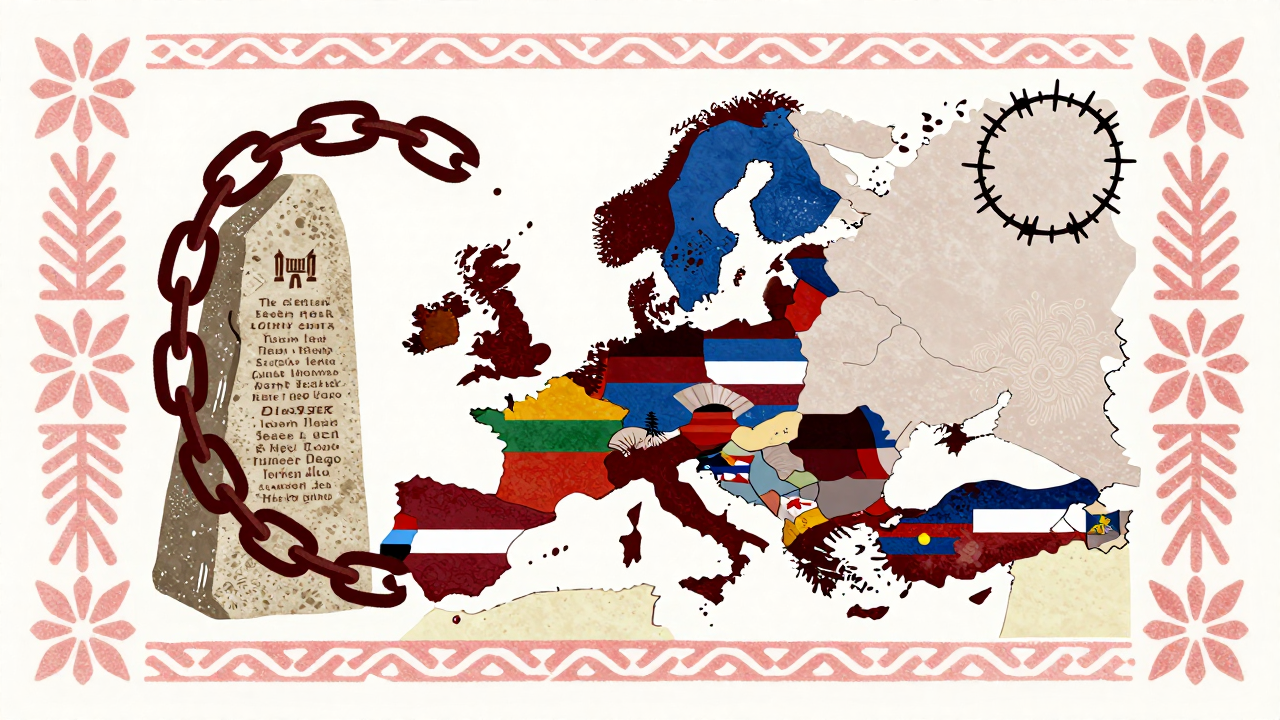
Soviet Occupation Day, observed on February 25, serves as a poignant reminder of the historical events that shaped the lives of many. This day commemorates the end of the Soviet military presence in several Eastern European countries, marking a significant turning point in their quest for independence and sovereignty. It is a time for reflection on the struggles endured during the occupation, as well as the resilience and courage displayed by those who fought for their freedom.
On this day, communities come together to honor the memories of those who lived through this challenging period. Activities may include educational programs, discussions, and cultural events that highlight the rich history and diverse experiences of those affected by the occupation. As people share stories and insights, Soviet Occupation Day fosters a sense of unity and understanding, reminding us of the importance of freedom and the ongoing journey toward self-determination. As February 25 approaches, it invites everyone to reflect on the past while looking forward to a future of hope and peace.
History
Soviet Occupation Day is observed annually on February 25, commemorating the day in 1948 when the Communist Party of Czechoslovakia, under Soviet influence, seized full control of the government, effectively marking the beginning of a prolonged period of Soviet domination in the country. This event is a significant moment in Central European history, as it not only transformed Czechoslovakia’s political landscape but also served as a precursor to the broader Cold War tensions that would shape the region for decades. The occupation represented a pivotal shift from a democratic society to a totalitarian regime, fundamentally altering the trajectory of Czechoslovakian society and its relations with the West.
In the years following the occupation, the observance of Soviet Occupation Day became a means for Czechs and Slovaks to reflect on the loss of independence and the subsequent repression they faced under the Communist regime. As resistance movements grew and dissent became more organized, February 25 evolved from a day of state-sanctioned celebration into a day of remembrance and protest against the oppressive policies of the Soviet-backed government. Over time, this observance highlighted the struggles for freedom and democracy, fostering a sense of national identity and solidarity among those who opposed the regime.
Culturally, Soviet Occupation Day holds significant importance as it serves as a reminder of the resilience of the human spirit in the face of oppression. It is a day for educating younger generations about the dangers of totalitarianism and the importance of safeguarding democratic values. Various events, including discussions, lectures, and exhibitions, are organized to honor those who resisted the occupation and to promote awareness about the consequences of authoritarian rule. The observance encourages reflection on the past while inspiring ongoing efforts to ensure that history does not repeat itself.
As the region has transitioned to a more democratic governance structure since the Velvet Revolution of 1989, Soviet Occupation Day has taken on a dual role: it is both a day of mourning for lost freedoms and a celebration of the hard-won liberty that followed years of struggle. Observed on February 25, this day remains a vital part of Czechoslovak history and serves as a poignant reminder of the importance of vigilance in protecting democratic ideals against encroachment.