Sonam Losar
Nepal, Bhutan, India
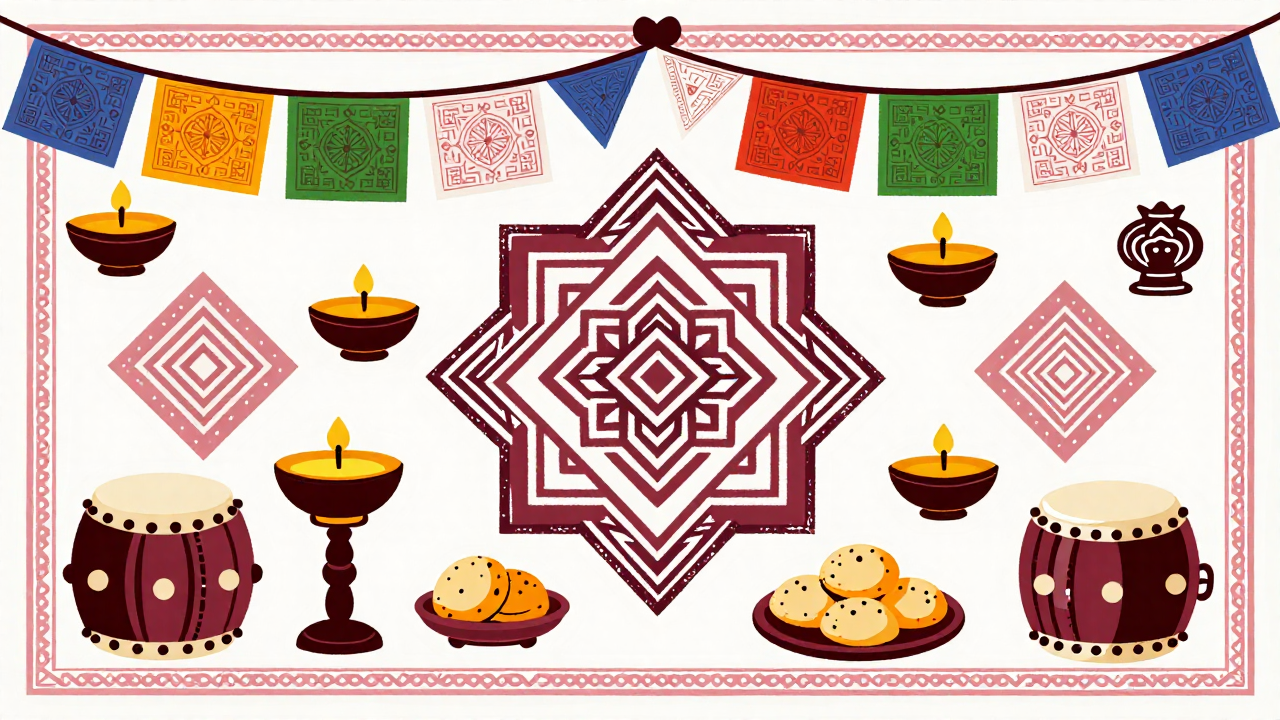
About
Sonam Losar, celebrated on February 7, is a vibrant and joyous occasion that marks the Tibetan New Year, a time for reflection, renewal, and the celebration of cultural heritage. This festival is particularly significant for the Sherpa and other Himalayan communities, who come together to honor their traditions with colorful festivities. The term "Losar" translates to "New Year," and Sonam Losar is a time to bid farewell to the past year while welcoming the new one with open arms and hopeful hearts.
The celebrations of Sonam Losar are filled with rich customs and rituals. Families prepare special dishes, often featuring dumplings and various local delicacies, to share with loved ones and neighbors. Homes are adorned with vibrant decorations, and people dress in traditional attire, showcasing their cultural pride. Community gatherings are a highlight of the festival, where songs, dances, and joyful laughter fill the air, fostering a sense of unity and connection among participants. As the sun rises on February 7, the spirit of Sonam Losar encourages everyone to embrace new beginnings, strengthen relationships, and carry forward the blessings of the past into the future.
History
Sonam Losar, celebrated on February 7, is a significant festival for the Tibetan and Nepali communities, marking the beginning of the lunar new year. The origins of Sonam Losar can be traced back to ancient agricultural practices and the lunar calendar, which played a vital role in the lives of these communities. Traditionally, this observance was closely linked to the harvest season, with rituals and celebrations aimed at ensuring a bountiful crop for the year ahead. The festival symbolizes the arrival of spring and the renewal of life, which are fundamental aspects of agrarian societies.
Over time, Sonam Losar has evolved from its agrarian roots into a vibrant celebration of cultural identity and community spirit. The festival includes various customs such as feasting, performing traditional dances, and creating elaborate offerings to deities. It is a time for families to come together, pay homage to ancestors, and seek blessings for the year to come. The festivities often involve the preparation of special foods, such as dumplings and various meat dishes, reflecting the culinary traditions of the region. In modern times, Sonam Losar has also incorporated elements from contemporary culture, making it a lively event that resonates with the younger generations while still honoring traditional practices.
Culturally, Sonam Losar holds immense significance as it fosters a sense of unity and belonging among communities. It serves as a reminder of the importance of cultural heritage, allowing individuals to connect with their roots and celebrate their shared identity. The festival is not only a time for joy and celebration but also for reflection and gratitude. Many participate in rituals that involve making offerings to local deities and engaging in prayers for peace and prosperity. As such, Sonam Losar is both a personal and communal observance, reinforcing social bonds and cultural continuity.
In summary, Sonam Losar, observed on February 7, is much more than a simple new year celebration; it encapsulates the rich history and traditions of the Tibetan and Nepali peoples. Its evolution from agrarian origins to a modern-day cultural festival highlights the adaptability and resilience of these communities. The observance continues to play a crucial role in preserving cultural values and fostering communal harmony, ensuring that the spirit of Sonam Losar endures for generations to come.