Snowman Burning Day
United States, Canada
About
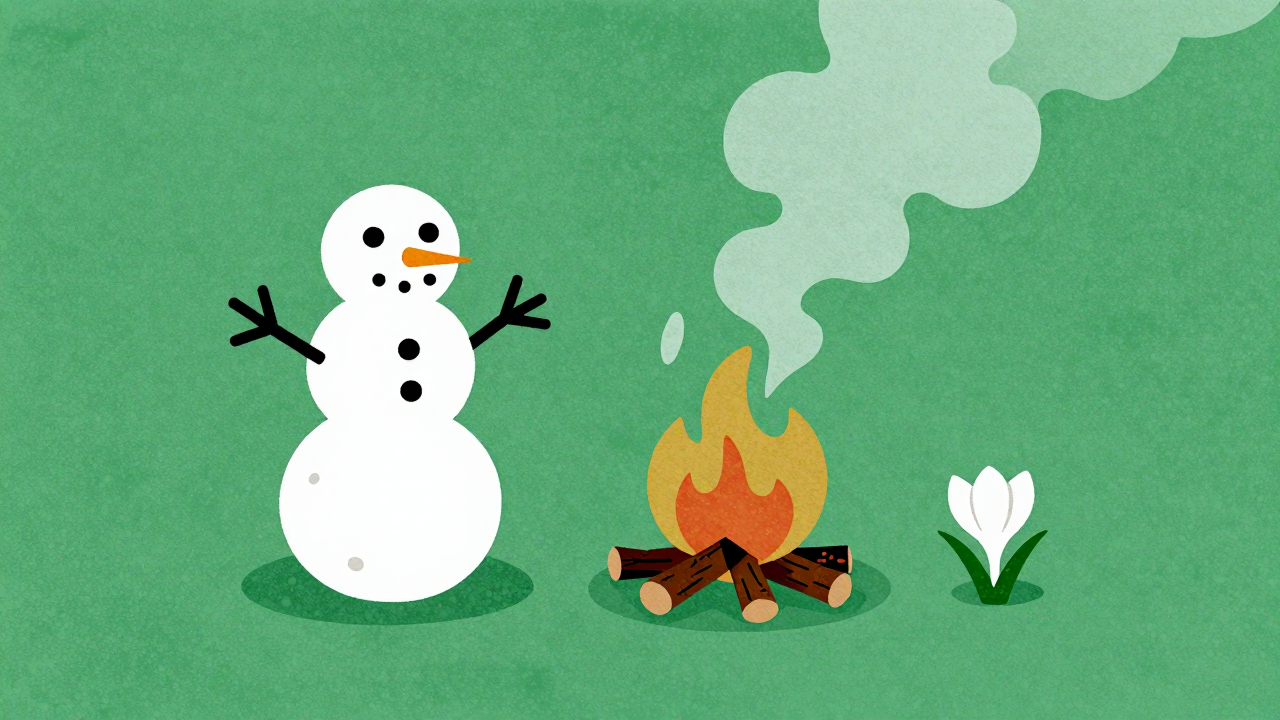
On March 20, we celebrate Snowman Burning Day, a whimsical observance that marks the transition from winter to spring. As the chill of winter begins to fade and the days grow longer, this unique holiday invites us to bid farewell to the snowmen that dotted our yards during the colder months. Traditionally, families and friends gather to create their final snowmen of the season, only to watch them go up in flames in a spirited farewell to winter. This playful ritual symbolizes the melting away of winter’s grasp and the joyful arrival of warmer days.
Snowman Burning Day is not just about the act of burning; it's an opportunity to reflect on the joys of winter while eagerly anticipating the vibrant rebirth of spring. This day encourages creativity, community, and a sense of humor as we embrace the changing seasons. Whether you choose to host a small gathering or simply enjoy the day with family, let this fun observance remind you of the beauty in each season and the excitement that comes with new beginnings. So gather your friends, build a snowman, and celebrate the warmth of spring on March 20!
History
Snowman Burning Day, observed on March 20, is a unique and somewhat whimsical holiday that signifies the transition from winter to spring. The observance has its roots in various cultural traditions that celebrate the end of winter and the arrival of warmer weather. While the exact origins of Snowman Burning Day are not thoroughly documented, it is often linked to the idea of releasing the icy grip of winter and welcoming the rejuvenation that spring brings.
Historically, the practice of destroying snowmen can be seen as a symbolic act of farewell to winter. Snowmen, which are typically built during the colder months, represent the peak of winter's fun and festivities. As temperatures rise and snow begins to melt, communities have found joy in gathering to ceremoniously burn or dismantle these frosty figures, thus marking the end of the cold season. The origins of this observance may draw inspiration from ancient traditions where seasonal changes were celebrated with rituals that included fire, symbolizing purification and renewal.
As the holiday evolved over time, it began to take on a more lighthearted and playful tone. In modern times, Snowman Burning Day is often celebrated with local gatherings where families and friends come together to create snowmen, only to later destroy them in fun and creative ways, such as through fire or other means. This communal activity fosters a sense of togetherness and allows participants to express their joy in the changing seasons. The day serves as a reminder of the cyclical nature of life and the importance of embracing change.
Culturally, Snowman Burning Day resonates with themes of resilience and renewal. It reflects a collective acknowledgment of the harshness of winter and an enthusiastic embrace of spring's vibrancy. As communities engage in this light-hearted destruction, they also celebrate the return of outdoor activities and the blooming of nature. The holiday encourages people to let go of the past season and look forward to the opportunities and joys that spring holds.
In summary, Snowman Burning Day, observed on March 20, is a celebration of seasonal change that combines humor with cultural significance. It serves as a festive farewell to winter, inviting communities to come together and welcome the warmer days ahead.