Sierra Leone Independence Day
Sierra Leone
About
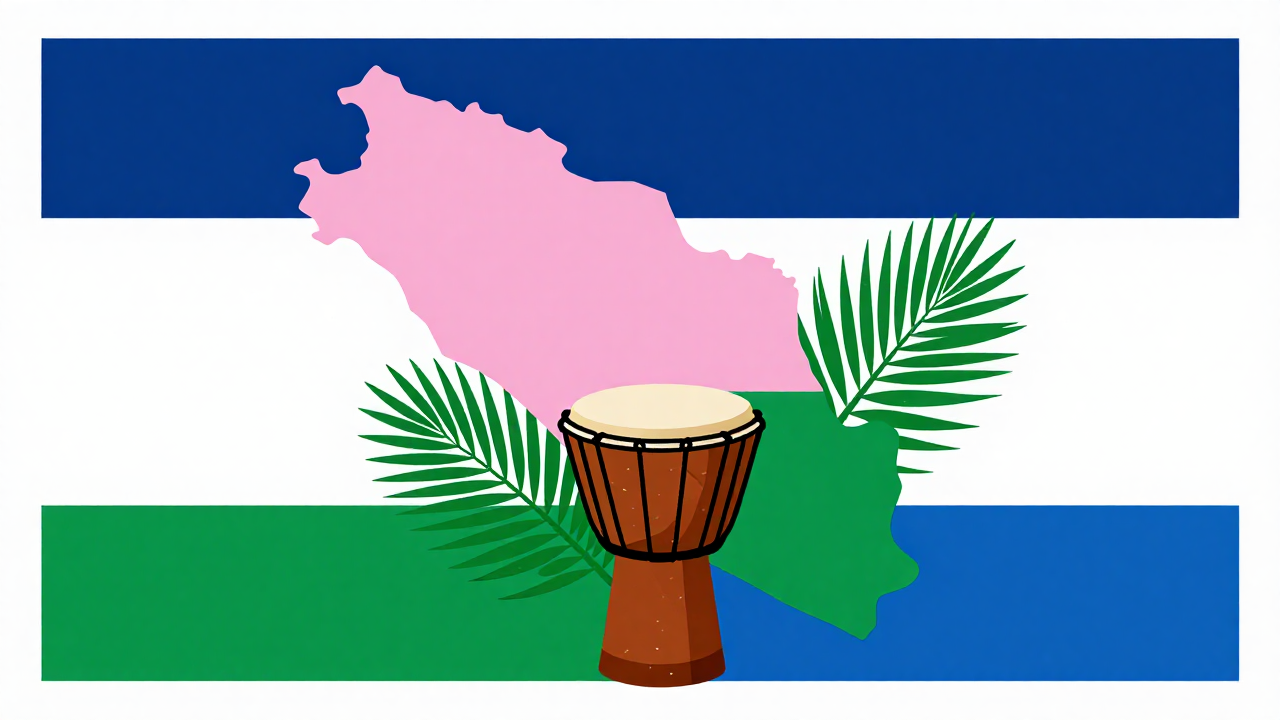
Sierra Leone Independence Day, celebrated on April 27, marks a significant moment in the country’s history when, in 1961, Sierra Leone gained independence from British colonial rule. This day serves as a heartfelt reminder of the struggles and sacrifices made by the nation’s forebears in their quest for freedom and self-determination. As Sierra Leoneans come together to commemorate this pivotal event, the air is filled with a spirit of patriotism and unity, showcasing the rich cultural heritage and resilience of the Sierra Leonean people.
Festivities typically include vibrant parades, cultural performances, and community gatherings that highlight the nation’s diverse traditions. Streets come alive with music, dance, and the colorful display of the national flag, symbolizing pride in Sierra Leone's identity. Families and friends join in joyous celebrations, reflecting on the progress made since independence while looking forward to a brighter future. On April 27, Sierra Leoneans not only honor their past but also embrace the hope and potential of their nation, making this day a truly special occasion for all.
History
Sierra Leone Independence Day is celebrated annually on April 27, marking the day in 1961 when Sierra Leone gained independence from British colonial rule. The journey to independence began with the establishment of the British colony in 1808, primarily as a settlement for freed slaves. Over the years, the desire for self-governance grew among the local population, leading to the formation of political groups advocating for independence. The Sierra Leone People's Party (SLPP), founded in 1951, played a pivotal role in these efforts, gaining significant support among the populace.
The path to independence was characterized by a series of constitutional reforms that gradually expanded political rights and increased the representation of Sierra Leoneans in government. By the late 1950s, pressure mounted for full sovereignty, culminating in constitutional negotiations. On April 27, 1961, Sierra Leone officially became an independent nation, with Sir Milton Margai serving as its first Prime Minister. This historic moment was marked by celebrations across the country, symbolizing a new chapter in Sierra Leone's history.
Over the years, Sierra Leone Independence Day has evolved into a significant national holiday, reflecting the resilience and aspirations of the Sierra Leonean people. The day is marked by various celebrations, including parades, cultural performances, and educational activities that foster national pride. It serves as a reminder of the sacrifices made by those who fought for independence and the ongoing journey toward nation-building. The observance also highlights the importance of unity and national identity in a country that has faced significant challenges, including civil conflict.
Culturally, the significance of this day transcends mere commemoration; it is a time for reflection on the nation's past and a call to action for current and future generations. The celebrations often include traditional music, dance, and art, showcasing the rich cultural heritage of Sierra Leone. Schools and community organizations play an essential role in educating citizens about the history of independence and the values of democracy and freedom. Thus, April 27 stands not only as a date of celebration but also as a pivotal moment that continues to shape the identity and values of Sierra Leonean society.