Sette Giugno
Malta
About
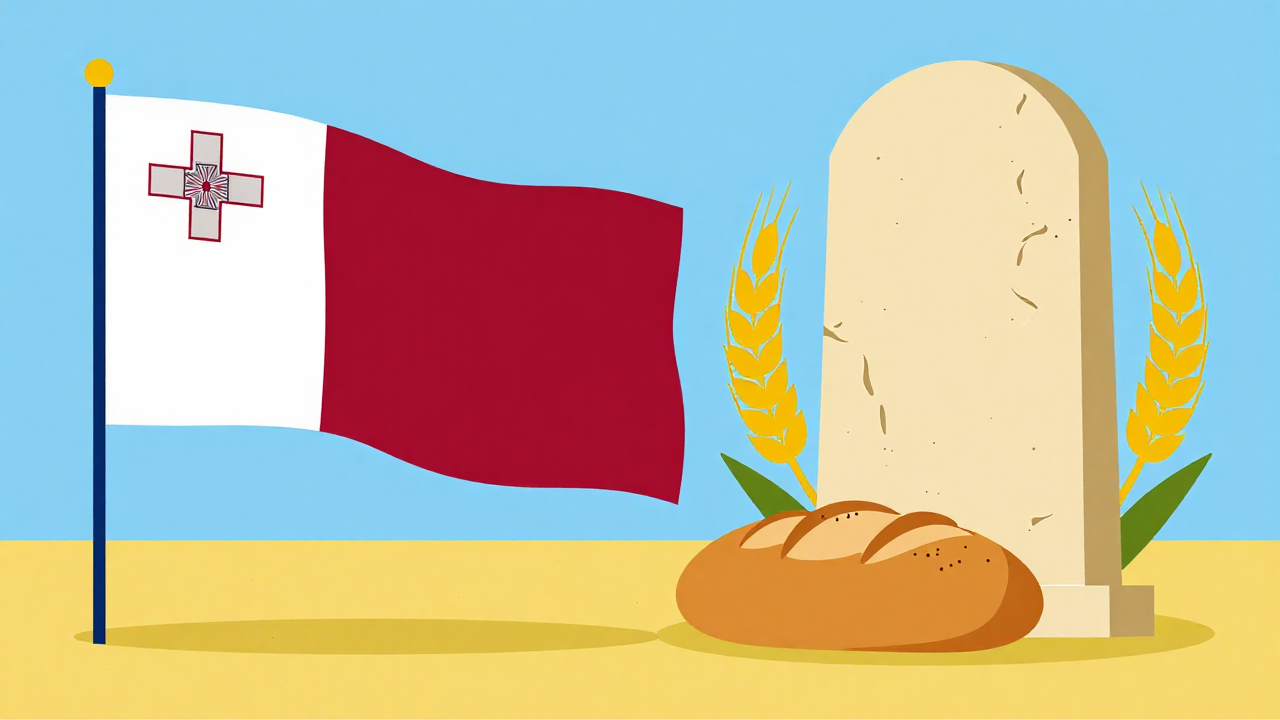
Sette Giugno, observed on June 7, is a vibrant celebration that holds deep significance for the people of Malta. This day commemorates the events of June 7, 1919, when a pivotal moment in Malta's history unfolded. As the Maltese sought greater rights and freedoms from British colonial rule, protests erupted, leading to a day marked by both struggle and solidarity. Sette Giugno serves as a reminder of the resilience of the Maltese people and their enduring spirit in the face of adversity.
On this special day, communities across Malta come together to honor their history and reflect on the importance of unity and national identity. Various events, including parades, cultural performances, and educational activities, take place, fostering a sense of pride and remembrance. As families and friends gather, they celebrate the progress made since that tumultuous day while also acknowledging the ongoing journey toward self-determination. Sette Giugno is not just a historical commemoration; it's a heartfelt celebration of Maltese culture and the collective strength of its people, reminding everyone of the power of standing together for a common cause.
History
Sette Giugno, observed on June 7, is a significant holiday in Malta, commemorating the events of June 7, 1919, when a violent clash between the Maltese populace and British colonial authorities led to the tragic loss of life. The day marks a pivotal moment in Malta's struggle for self-determination and represents the broader aspirations of the Maltese people for greater autonomy and rights. The origins of Sette Giugno are deeply rooted in the socio-political tensions of the early 20th century, a period marked by rising nationalist sentiments and widespread discontent with British rule.
The events that led to Sette Giugno began with a series of protests against food shortages and high prices in the aftermath of World War I. On June 7, 1919, a peaceful demonstration escalated when British troops opened fire on the crowd, resulting in the deaths of four Maltese citizens. This incident served as a catalyst for the national movement, igniting a sense of unity among the Maltese and prompting demands for political reform. In the years following the incident, Sette Giugno became not only a day of remembrance but also a symbol of resistance against colonial oppression.
Over time, the observance of Sette Giugno has evolved, reflecting the changing dynamics of Maltese society and its relationship with governance. Initially marked by somber commemorations, it has transformed into a day that celebrates Maltese identity and resilience. The day is observed with various events, including memorial services, parades, and cultural activities that honor the memory of those who lost their lives in 1919. This evolution underscores the significance of Sette Giugno in fostering national pride and solidarity among the Maltese people.
Culturally, Sette Giugno holds a prominent place in Malta's collective memory, serving as a reminder of the struggles endured for freedom and the importance of civic engagement. It encourages reflection on the values of democracy, justice, and self-determination, which continue to resonate in contemporary Maltese society. As Malta celebrates Sette Giugno on June 7 each year, it not only honors its past but also reaffirms its commitment to safeguarding the rights and freedoms that were fought for during that tumultuous period.