Dissolution of Union between Norway and Sweden
Norway, Sweden
About
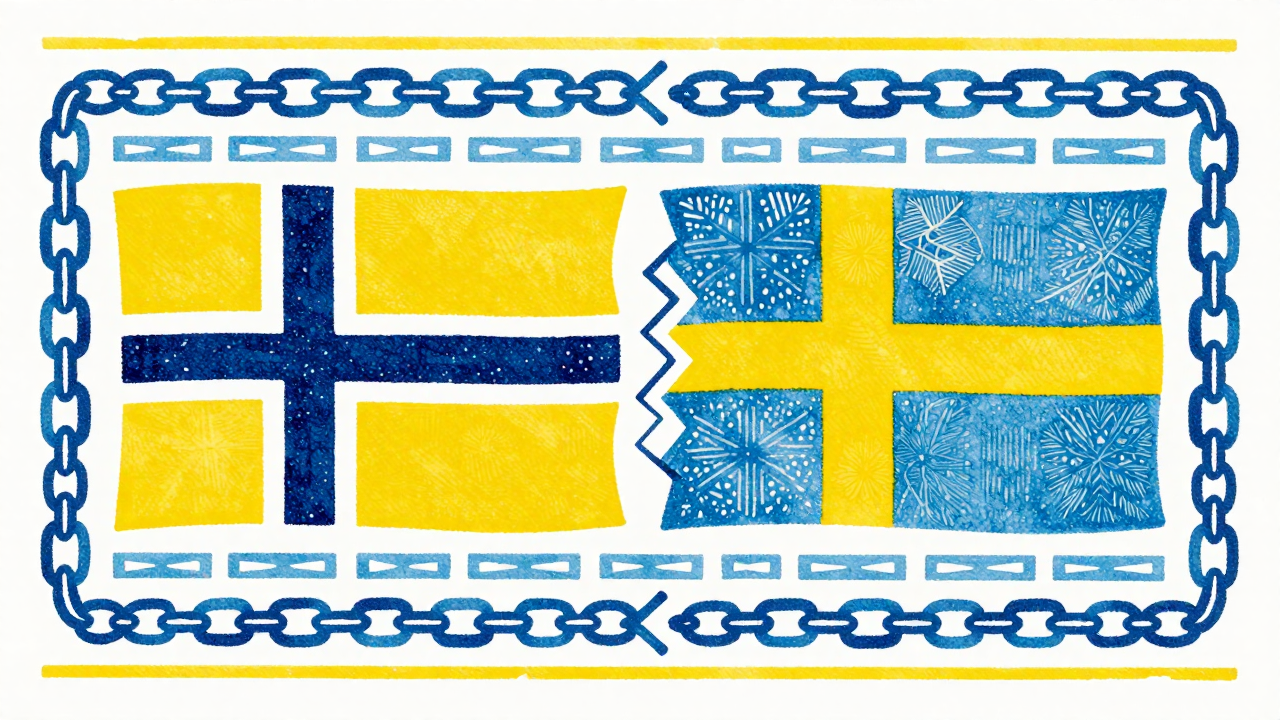
June 7 marks a significant day in history as it commemorates the "Dissolution of Union between Norway and Sweden." This observance celebrates the peaceful resolution of a political union that had lasted for over a century, allowing Norway to reclaim its sovereignty and establish itself as an independent nation in 1905. The dissolution was the result of growing national sentiments in Norway, and it ultimately led to a new chapter in the country's history, characterized by self-determination and cultural revival.
On this day, Norwegians reflect on their journey toward independence and celebrate their rich heritage. The observance often includes various cultural events, educational activities, and discussions that highlight the importance of national identity and autonomy. As a time for remembrance and pride, June 7 serves as a reminder of the strength and resilience of the Norwegian people, emphasizing the value of freedom and the impact of historical decisions on contemporary society. Whether through parades, community gatherings, or quiet reflection, this day invites all to honor Norway's path to independence and the spirit of unity that continues to thrive.
History
The "Dissolution of Union between Norway and Sweden" is observed annually on June 7, commemorating a pivotal moment in Scandinavian history. This date marks the formal end of the union that had existed between Norway and Sweden since 1814. The origins of this observance are rooted in the political and nationalistic movements of the early 20th century, particularly in the wake of World War I when national identities in Europe were being redefined. The union, initially established under the Treaty of Kiel in 1814, was primarily a political arrangement that sought to strengthen both nations against external threats, but over the years, it became increasingly contentious.
The history of the observance can be traced back to June 7, 1905, when the Norwegian Parliament (Storting) declared its intention to dissolve the union with Sweden. After a series of negotiations and political maneuverings, the union was officially dissolved later that year. This act of independence was significant for Norway, as it marked the culmination of a long-standing desire for self-determination. The celebration of this date has evolved over the years, reflecting Norway's growing national identity and pride. Initially observed with political speeches and gatherings, it has transformed into a broader celebration of Norwegian culture and heritage.
Culturally, the observance of June 7 holds great significance for the Norwegian people. It symbolizes not only the restoration of Norway's sovereignty but also the resilience of its national spirit. The day is often marked by various festivities, including parades, concerts, and public speeches that celebrate Norwegian history and culture. It serves as a reminder of the struggles faced in achieving independence and the importance of freedom and self-governance.
In contemporary Norway, the Dissolution of Union between Norway and Sweden is a day of reflection and national pride, reinforcing the values of democracy and independence that are central to Norwegian identity. It also highlights the unique relationship between Norway and Sweden, which, despite historical tensions, has evolved into one of mutual respect and cooperation in modern times. As such, June 7 stands as a testament to Norway's journey toward becoming a fully sovereign nation, celebrated by its citizens with a spirit of unity and pride.