Semana Santa Spain
Spain, Mexico, Guatemala, Philippines, Colombia, Ecuador, Peru, Honduras, Costa Rica, Nicaragua
About
Semana Santa Spain, observed on March 21, is a deeply significant and vibrant celebration that marks the Holy Week leading up to Easter. This annual observance is a time when towns and cities across Spain come alive with processions, music, and a profound sense of community. Rooted in centuries of tradition, Semana Santa is a time for reflection, devotion, and cultural expression, as it commemorates the passion, death, and resurrection of Jesus Christ.
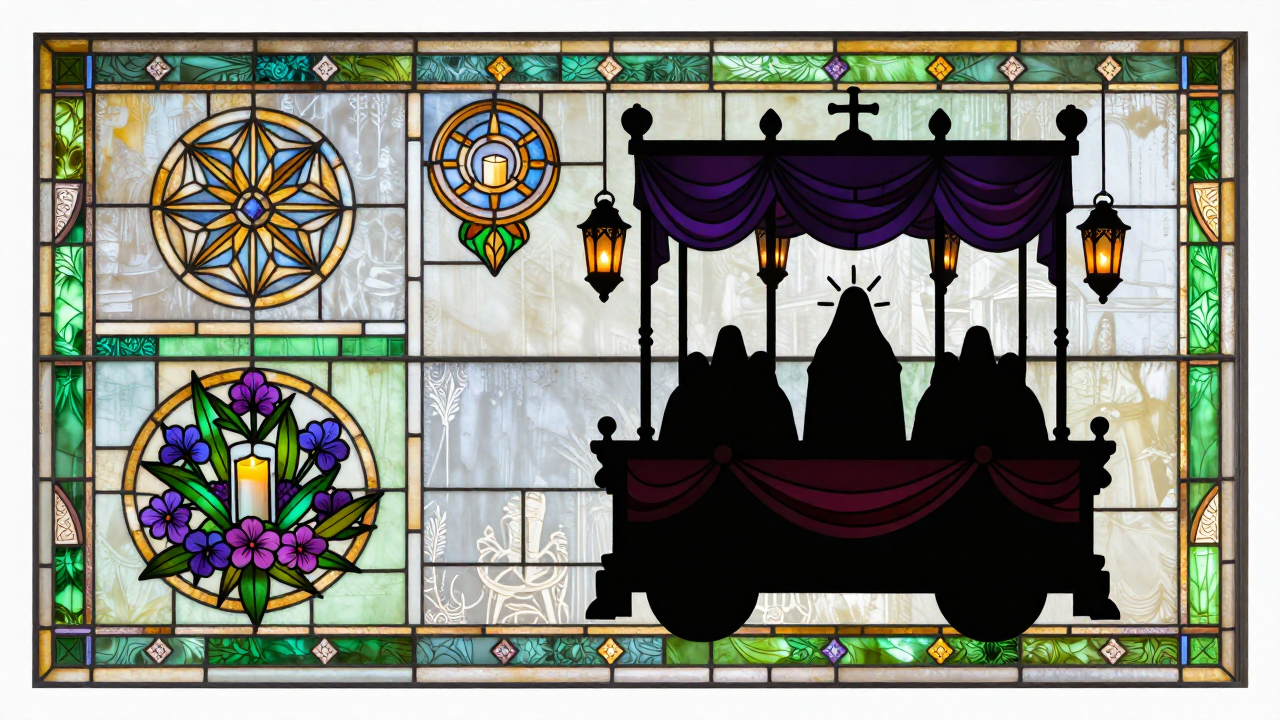
As the day unfolds, participants dressed in traditional robes and carrying elaborate floats depicting biblical scenes parade through the streets, accompanied by the sound of drums and the solemn chants of religious hymns. Each region has its unique customs and rituals, making every celebration distinct yet united in its purpose. From the breathtaking artistry of the floats to the emotional intensity of the processions, Semana Santa offers a remarkable glimpse into Spain's rich cultural heritage and the enduring importance of faith in the lives of its people. Whether you're a local or a visitor, experiencing Semana Santa Spain on March 21 is sure to leave an indelible mark on your heart and soul.
History
Semana Santa, or Holy Week, in Spain is a deeply rooted religious observance that takes place annually on March 21. Its origins can be traced back to the Middle Ages, when the Catholic Church sought to enhance the spiritual experience of its followers during the lead-up to Easter. The observance was designed to commemorate the passion, death, and resurrection of Jesus Christ, incorporating dramatic reenactments of biblical events, processions, and other religious activities. Over the centuries, Semana Santa evolved into a vibrant expression of faith, culture, and community, particularly in regions like Andalusia, where it has become a key aspect of local identity.
As Semana Santa developed, it absorbed various cultural influences, leading to a unique blend of solemnity and festivity. Initially characterized by simple observances, the event transformed in the 16th and 17th centuries, particularly in cities such as Seville and Málaga, where elaborate processions featuring ornate floats and religious images became common. These processions were often accompanied by participants wearing traditional garments, including the distinctive capirote, a cone-shaped hood that has become synonymous with the celebrations. The artistic and architectural elements of Semana Santa also flourished, as local brotherhoods or cofradías invested in the creation of stunning religious art and the construction of elaborate floats used during the processions.
Culturally, Semana Santa holds great significance in Spanish society. It serves as a time for reflection and penance, but also as a means of community bonding. Families often come together to observe the rituals, and the event attracts both locals and tourists alike. Cities transform during this week, with streets lined with spectators eager to witness the processions that can last for hours. The sounds of music, the scent of incense, and the sight of candlelit processions contribute to an atmosphere that is both somber and celebratory. The observance not only reinforces religious values but also showcases the rich traditions of Spanish culture, making it a cherished event for many.
In conclusion, Semana Santa in Spain, observed on March 21, is a powerful and multifaceted celebration that reflects the country's deep religious roots and cultural heritage. From its medieval origins to its contemporary expressions, the observance has evolved into a significant event that encapsulates the spirit of community and faith. Through its elaborate rituals and rich traditions, Semana Santa continues to resonate with both participants and observers, embodying the values and history of Spain.