Afghanistan Day
Afghanistan
About
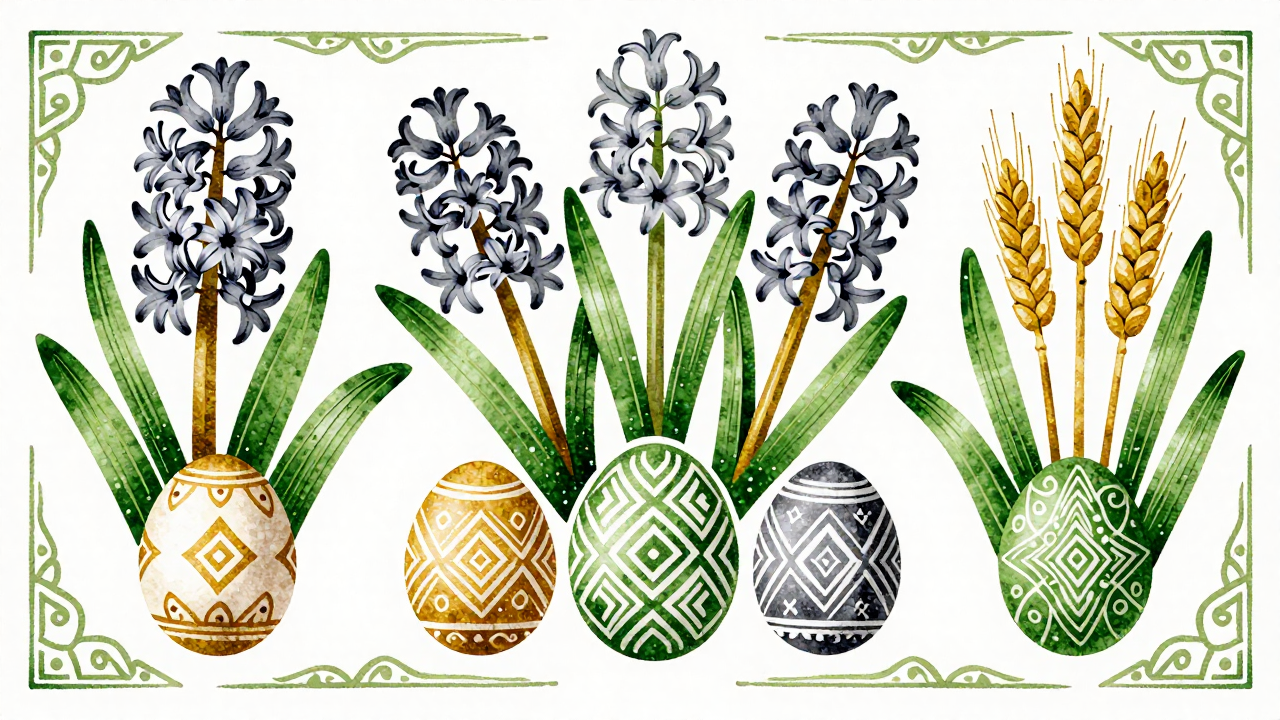
Afghanistan Day, celebrated on March 21, is a meaningful occasion that honors the rich culture, history, and resilience of the Afghan people. This day marks the arrival of the Afghan New Year, known as Nowruz, which signifies renewal and the promise of new beginnings. As the first day of spring, it is a time when families come together to celebrate life, hope, and the beauty of cultural traditions that have been passed down through generations.
On Afghanistan Day, communities engage in vibrant festivities filled with music, dance, and delicious traditional foods. The day serves as a reminder of the strength and perseverance of the Afghan people, who have faced numerous challenges throughout their history. By celebrating this day, we not only acknowledge the struggles but also appreciate the rich tapestry of Afghan culture, which includes stunning poetry, intricate art, and the warm hospitality of its people. Whether through sharing stories or partaking in festive activities, Afghanistan Day invites everyone to join in the celebration of unity, resilience, and the joy of new beginnings.
History
Afghanistan Day is observed annually on March 21, marking an important moment in the recognition and celebration of Afghan heritage and culture. The origins of Afghanistan Day can be traced back to the early 20th century, a period when Afghanistan was striving for greater autonomy from foreign influence and asserting its national identity. The establishment of Afghanistan as a sovereign nation on August 19, 1919, after the Third Anglo-Afghan War, laid the groundwork for a day dedicated to celebrating Afghan culture and pride.
Over the decades, Afghanistan Day has evolved from a nationalistic celebration into a broader observance that highlights the rich cultural tapestry of the Afghan people. The day is often marked by various cultural events, including traditional music, dance, and art exhibitions, which showcase the diversity and resilience of Afghan culture. As Afghanistan has faced numerous challenges, including decades of conflict and social upheaval, March 21 has become a symbol of hope and unity among Afghans both within the country and in the diaspora.
Culturally, Afghanistan Day serves as an opportunity for people to reflect on their heritage, share stories, and promote understanding of Afghanistan’s complex history. It encourages the preservation of traditional customs and languages that are integral to Afghan identity. Moreover, the observance plays a significant role in fostering a sense of community among Afghans around the world, helping to maintain a connection to their roots despite geographical distances.
In recent years, Afghanistan Day has gained recognition outside the country, as international communities and organizations acknowledge the importance of celebrating cultural heritage. Events commemorating this day often include discussions on peace, reconciliation, and the importance of cultural preservation in the face of challenges. As March 21 approaches each year, the observance not only highlights Afghanistan's past but also looks toward its future, celebrating the resilience and enduring spirit of the Afghan people.