Saint Peter and Saint Paul Day (Chile)
Chile
About
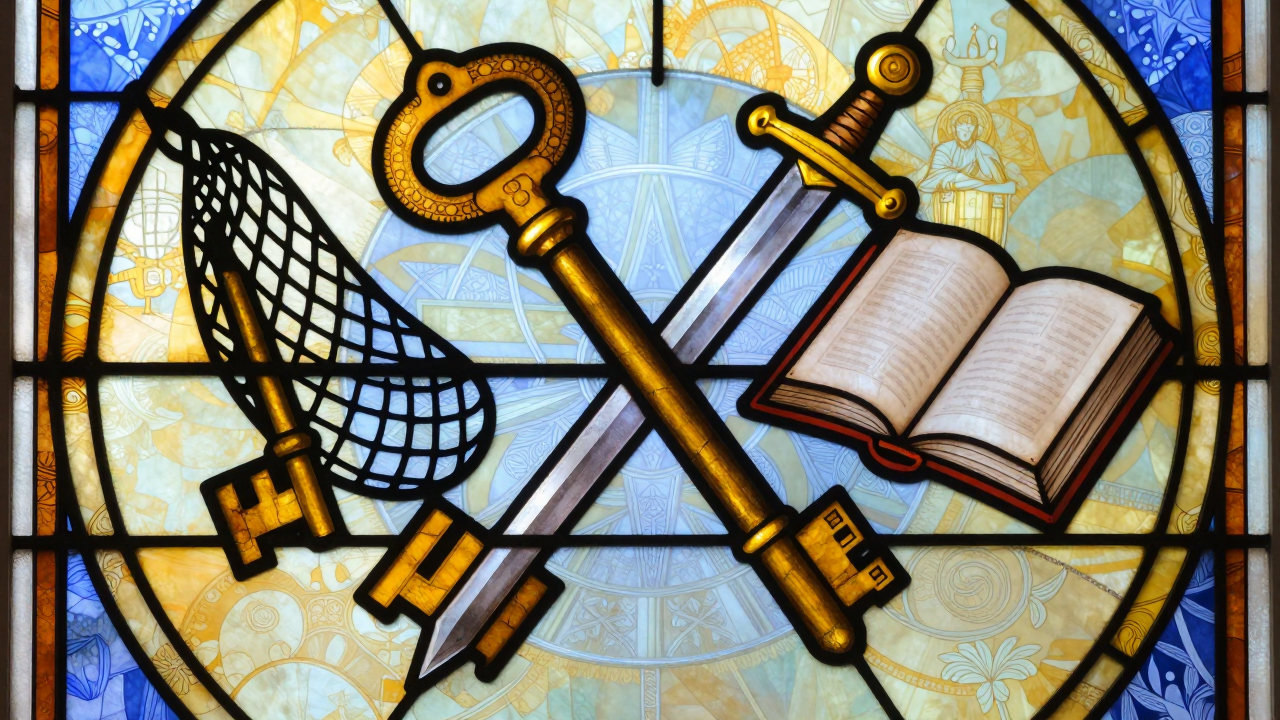
Saint Peter and Saint Paul Day is observed in Chile on June 29, honoring two of Christianity’s most important apostles. Saint Peter is traditionally regarded as the first pope and is especially associated with fishermen, while Saint Paul is remembered for his missionary work and influential teachings. Together, the day celebrates their faith, dedication, and lasting importance in Christian tradition.
Across Chile, the observance is marked by religious services, community gatherings, and local traditions, particularly in coastal communities where Saint Peter is honored as a protector of fishermen and those who work at sea. It is a meaningful occasion for prayer, reflection, and coming together with family and neighbors to recognize faith, heritage, and the country’s close connection to the ocean.
History
Saint Peter and Saint Paul Day in Chile is observed annually on June 29, bringing together two of the most important figures in Christian history. Saint Peter is traditionally regarded as one of Jesus’ twelve apostles and the first bishop of Rome, while Saint Paul is remembered for spreading Christianity beyond its earliest Jewish communities and for authoring several New Testament letters. Their shared feast developed from the early Christian commemoration of their martyrdom in Rome and became established in the Catholic liturgical calendar.
The observance reached Chile through the Catholic traditions brought during the Spanish colonial period. As Catholic institutions, parishes, and religious brotherhoods became established, the June 29 feast was incorporated into local devotional life. Over time, the day was shaped not only by church services but also by regional customs, processions, music, and community gatherings. Its expression has therefore varied across Chile, reflecting the country’s different urban, rural, and coastal traditions.
Saint Peter’s association with fishermen has given the observance particular importance in Chile’s coastal communities. Fishing families and maritime workers may honor him through decorated boats, religious processions, blessings, and ceremonies connected with the sea. These practices express hopes for protection, safe voyages, and plentiful catches, while also recognizing the risks faced by those whose livelihoods depend on the ocean. Saint Paul’s missionary role adds a broader religious meaning, emphasizing evangelization, perseverance, and the growth of the Christian faith.
Although the forms of celebration have evolved with changing communities and contemporary life, Saint Peter and Saint Paul Day continues to connect Chilean religious practice with the country’s historical Catholic heritage. Observed on June 29, it serves both as a feast within the Christian calendar and as a community occasion in which faith, local identity, maritime culture, and family traditions are brought together.