Feast Day of Saints Peter and Paul
Andorra, Brazil, Bulgaria, Colombia, Croatia, Cyprus, Georgia, Greece, Italy, Malta, Peru, Philippines, Poland, Portugal, Romania, San Marino, Spain, Vatican City
About
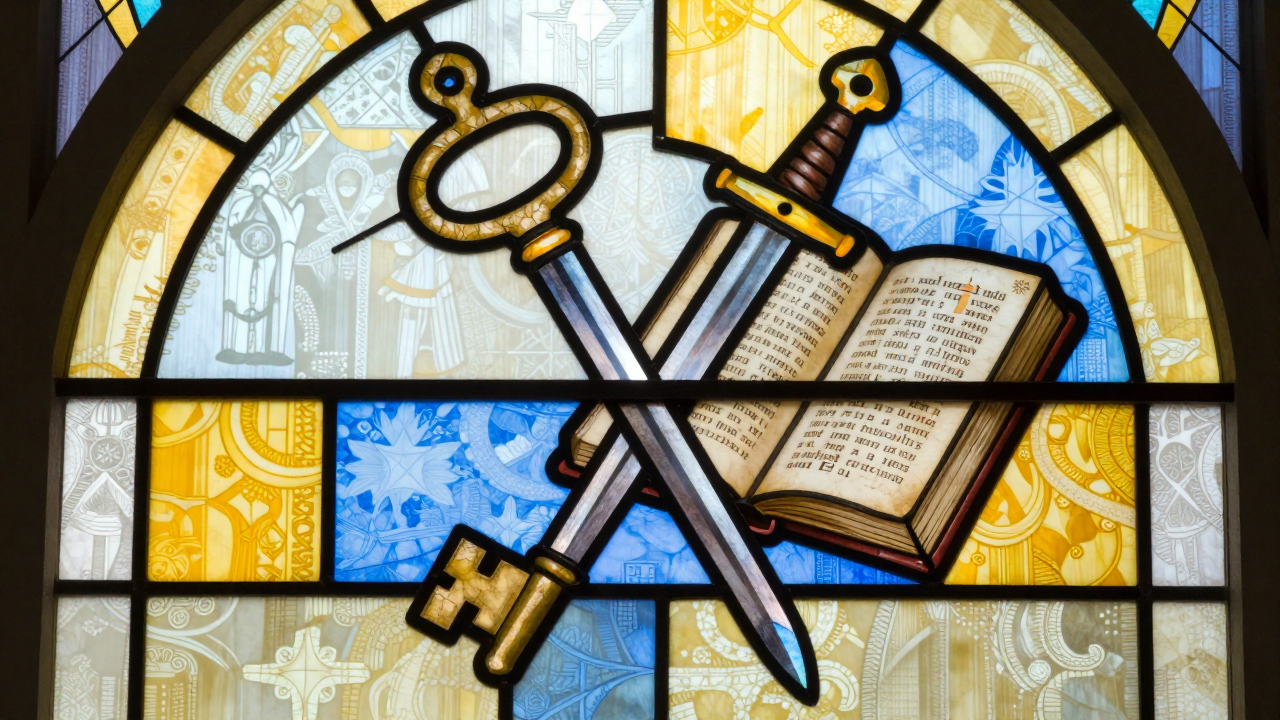
The Feast Day of Saints Peter and Paul is observed on June 29, honoring two of Christianity’s most influential apostles. Saint Peter is traditionally recognized as one of Jesus’ closest disciples and a foundational leader of the early Church, while Saint Paul is remembered for his powerful conversion and tireless efforts to share the Christian message throughout the ancient world.
This meaningful feast day is a time for prayer, worship, and reflection on the faith, courage, and dedication of these two remarkable figures. Churches and communities may mark June 29 with special services, readings, processions, and gatherings that celebrate their lasting spiritual legacy and the role they played in shaping Christian history.
History
The **Feast Day of Saints Peter and Paul**, observed on **June 29**, honors two of the most influential apostles in Christian history. Peter, traditionally regarded as the chief of the apostles and the first bishop of Rome, is associated with leadership of the early Christian community. Paul, originally known as Saul of Tarsus, became Christianity’s great missionary to the gentile world after his conversion. Although their backgrounds and missions differed, both came to symbolize the foundation and expansion of the Church.
The observance developed from the early Christian community’s commemoration of martyrs and apostles in Rome. By the fourth century, a shared celebration for Peter and Paul was firmly established on June 29, reflecting their special importance to Roman Christianity and the belief that both were martyred in Rome during the persecution of Emperor Nero. Ancient Christian tradition associates Peter with crucifixion and Paul with execution by beheading, though the precise historical details of their deaths are known primarily through early Christian testimony and tradition.
Over time, the Feast Day of Saints Peter and Paul became a major observance in the liturgical calendars of the Roman Catholic Church and several other Christian traditions. The day’s ceremonies developed to emphasize both apostolic authority and missionary witness. Peter represents continuity, pastoral leadership, and the unity of the Church, while Paul represents evangelization, theological reflection, and the movement of Christianity beyond its original Jewish setting. Churches dedicated to the apostles, particularly in Rome, have helped preserve and reinforce the feast’s historical importance.
Culturally, June 29 has also been associated with local processions, public worship, music, and community gatherings, especially in places where Peter or Paul is a patron saint. The feast remains an important occasion for reflecting on the origins of Christian leadership and the spread of the faith across different peoples and regions. Together, Saints Peter and Paul are remembered not simply as historical figures but as complementary models of service: Peter as a foundational shepherd and Paul as a tireless missionary.