Rath Yatra
India, Bangladesh, Nepal, Mauritius, Fiji, United Kingdom, United States, Canada, Australia, South Africa
About
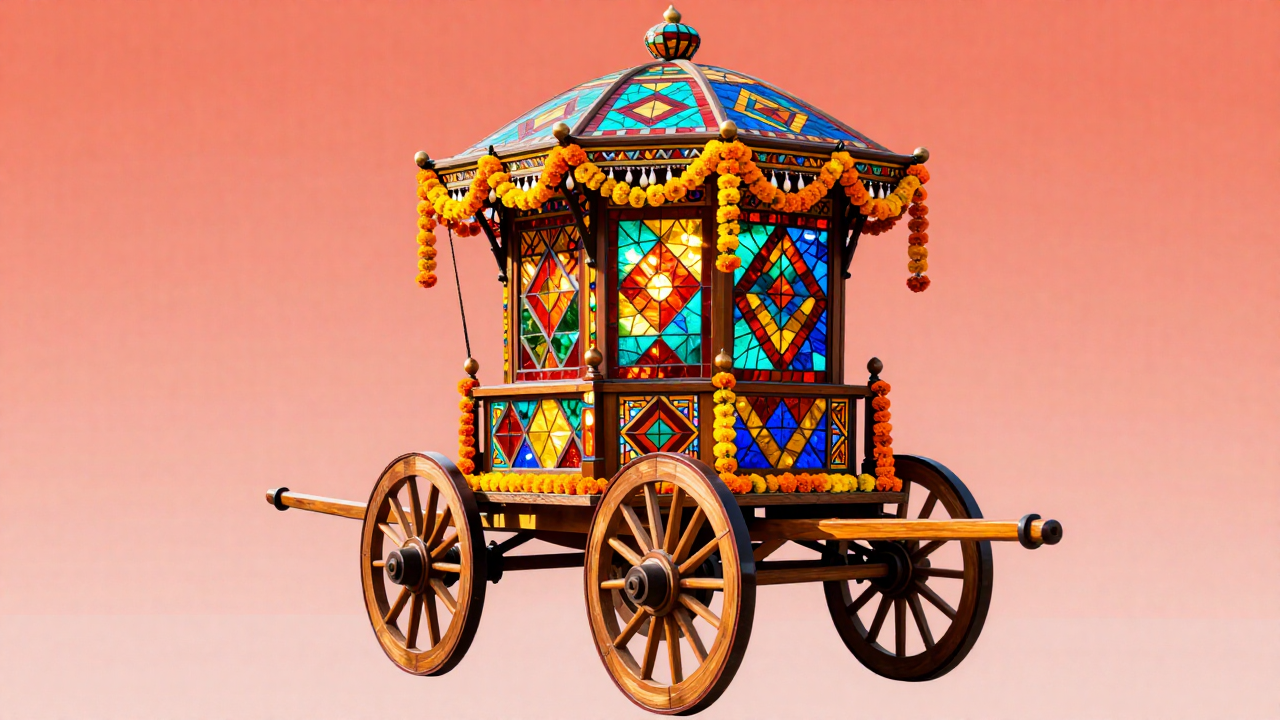
Rath Yatra, observed on July 5, is a vibrant Hindu festival honoring Lord Jagannath, along with his brother Balabhadra and sister Subhadra. The name means “chariot journey,” reflecting the grand procession in which the deities are carried through the streets on towering, beautifully decorated wooden chariots.
Most famously celebrated in Puri, Odisha, Rath Yatra brings together devotees and visitors in an atmosphere filled with music, prayer, color, and shared celebration. The journey symbolizes the deities’ visit to the Gundicha Temple and offers a meaningful reminder of faith, community, and the welcoming spirit of divine devotion.
History
Rath Yatra, observed on **July 5**, is one of the best-known Hindu chariot festivals, most famously associated with the Jagannath Temple in Puri, Odisha. Its central event is the public procession of Lord Jagannath, his brother Balabhadra, and his sister Subhadra in large wooden chariots. The festival expresses the idea that the deities leave the temple sanctuary to meet and bless devotees from every community.
The observance is rooted in the religious traditions of Jagannath worship, which combine elements of Vaishnavism, regional Odia customs, and older devotional practices. Puri became an important pilgrimage center under the Eastern Ganga rulers, particularly after the construction and establishment of the Jagannath Temple complex in the medieval period. Rath Yatra is traditionally connected with the deities’ journey from the main temple to the Gundicha Temple, understood in devotional tradition as the home associated with Lord Jagannath’s aunt. The return journey symbolizes the deities’ return to their principal shrine.
Over time, the festival developed into a highly organized public celebration involving the construction of three distinct chariots, ceremonial rituals, music, crowds of pilgrims, and the ritual pulling of the chariots along Puri’s main avenue. The chariots are rebuilt for each annual observance, reinforcing themes of renewal, impermanence, and continuing devotion. Although the festival is centered in Puri, related Rath Yatra celebrations have spread throughout India and to Jagannath communities around the world.
Culturally, Rath Yatra is significant because it brings sacred images beyond the temple and places them in direct contact with the public. This outward movement is often interpreted as a powerful symbol of divine accessibility and social inclusion. The festival also sustains Odisha’s crafts, carpentry, music, ritual knowledge, and communal traditions. On **July 5**, Rath Yatra therefore serves not only as a religious procession but also as a major expression of regional identity and the enduring historical influence of Jagannath worship.