Ramadan Begins
Saudi Arabia, Egypt, Turkey, Indonesia, Pakistan, Bangladesh, United Arab Emirates, Malaysia, Morocco, Algeria, Jordan, Iraq, Iran, Tunisia, Qatar, Kuwait, Oman, Sudan, Yemen, Syria
About
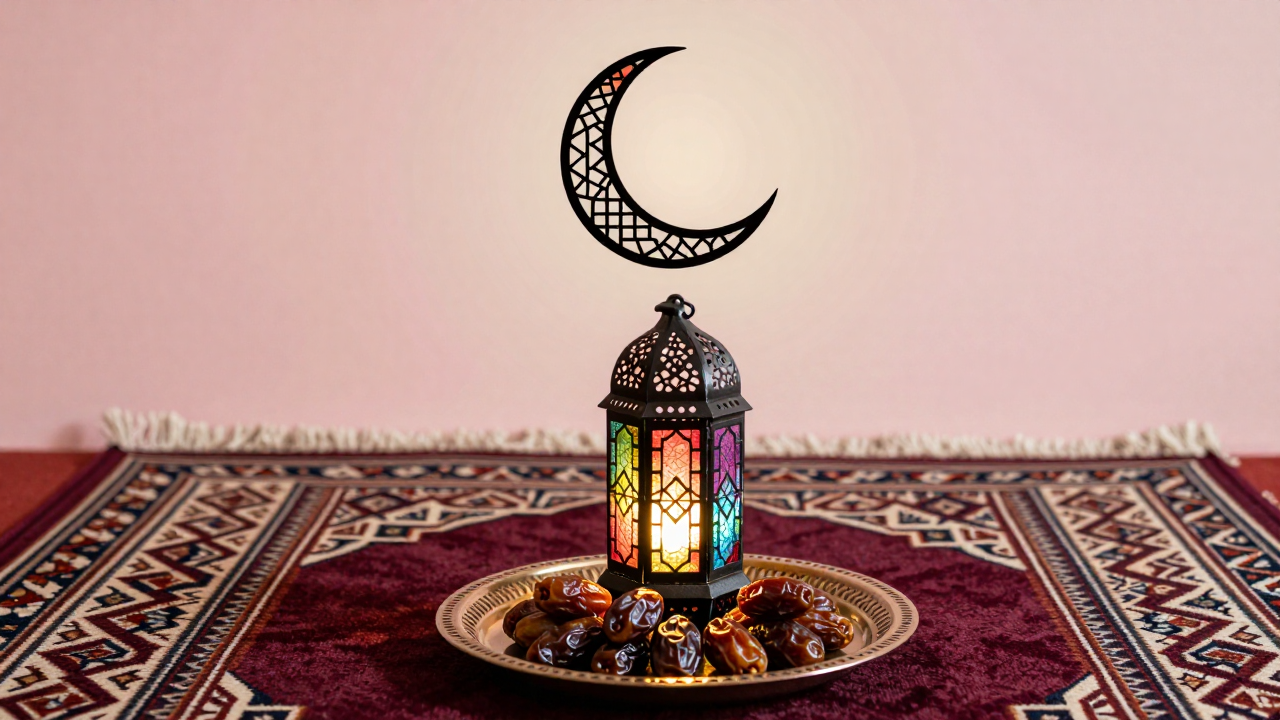
Ramadan Begins on February 8, marking the start of a month filled with spiritual reflection, prayer, and community. This sacred observance is a significant time for Muslims around the world as they engage in fasting from dawn until sunset, a practice that fosters self-discipline and empathy for the less fortunate. The month is deeply rooted in the belief that it was during Ramadan that the Quran was revealed to the Prophet Muhammad, making it a time of heightened devotion and spiritual connection.
As families and friends gather to break their fast each evening, the atmosphere is filled with warmth and togetherness. Iftar, the meal that marks the end of the daily fast, often includes dates and water, followed by a variety of delicious dishes that celebrate cultural heritage. Beyond fasting, Ramadan encourages acts of charity and kindness, as individuals seek to deepen their faith and strengthen their bonds with their community. As Ramadan Begins on February 8, it invites everyone to partake in this journey of reflection, compassion, and renewal.
History
**Ramadan Begins**
Ramadan, the ninth month of the Islamic lunar calendar, holds profound significance for Muslims worldwide as a period of fasting, reflection, and spiritual growth. Observed on February 8 in 2024, Ramadan begins with the sighting of the new moon, marking the start of a month that commemorates the first revelation of the Quran to the Prophet Muhammad. This observance can be traced back to the early 7th century CE, during the lifetime of Muhammad, who is believed to have received divine revelations that laid the foundation for Islamic teachings. The practice of fasting during this month was established as a way for Muslims to purify their souls, develop self-discipline, and foster empathy for those less fortunate.
Over the centuries, Ramadan has evolved into a deeply spiritual and communal observance. Initially focused on fasting from dawn until sunset, the month has expanded to include increased prayer, reading of the Quran, and acts of charity. The fast itself, known as "sawm," is one of the Five Pillars of Islam, emphasizing the importance of self-control and devotion. As Islamic communities spread globally, various cultural interpretations and practices during Ramadan emerged, reflecting local traditions while maintaining the core tenets of the observance. For instance, communal iftar meals—celebratory dinners to break the fast—have become a cherished tradition in many cultures, fostering a sense of community and togetherness.
Culturally, Ramadan holds significant meaning, acting as a unifying force for the Muslim community. It is a time for families and friends to gather, share meals, and strengthen bonds. The month also serves as a reminder of the importance of charity, or "zakat," encouraging Muslims to support those in need. The practice of giving during Ramadan has been institutionalized through various charitable organizations and initiatives, highlighting the month’s emphasis on compassion and social responsibility. Additionally, Ramadan is marked by increased attendance at mosques and a surge in spiritual activities, reinforcing the month’s status as a time of heightened religious observance.
As the lunar calendar shifts, the dates of Ramadan vary each year, creating a dynamic cycle of observance that enhances its spiritual significance. In 2024, Ramadan begins on February 8, inviting millions around the world to engage in a month-long journey of faith, reflection, and community. This observance not only underscores the rich traditions of Islam but also serves as a reminder of the values of patience, gratitude, and unity that resonate deeply within the hearts of Muslims everywhere.