Race Relations Day
United States, Canada, South Africa
About
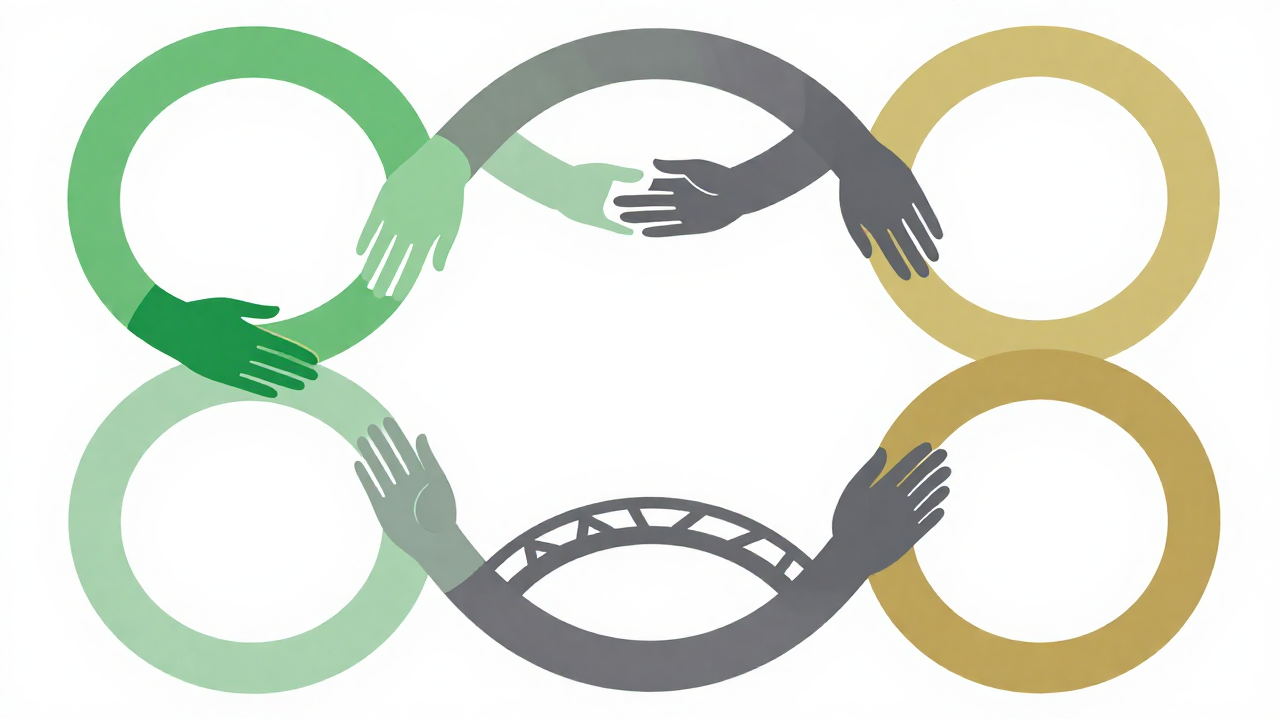
Race Relations Day, observed on March 21, is a meaningful occasion dedicated to promoting understanding, respect, and unity among diverse racial and ethnic communities. This day serves as a reminder of the importance of fostering positive relationships and combating discrimination in all its forms. As we come together on this date, we reflect on the progress made in the fight for equality while recognizing the work that still lies ahead.
The observance of Race Relations Day encourages individuals and communities to engage in open dialogues about race and to celebrate the richness that diversity brings to our society. It invites everyone to participate in local events, workshops, and discussions aimed at building bridges across cultural divides. By taking part in these activities, we contribute to a more inclusive and harmonious world, where differences are not just accepted but celebrated. So mark your calendars for March 21 and join in the effort to strengthen race relations, creating a brighter future for generations to come.
History
Race Relations Day is observed annually on March 21, a date that carries significant historical weight. This observance originated in the context of international efforts to combat racism and promote equality. The choice of March 21 is particularly poignant as it marks the anniversary of the Sharpeville Massacre that occurred in South Africa in 1960, when police opened fire on peaceful protesters opposing apartheid laws. This tragic event highlighted the dire consequences of racial discrimination and galvanized global awareness regarding issues of race.
Over the decades, Race Relations Day has evolved from remembrance to a day of action and education. Initially, it served primarily as a memorial for those who lost their lives during the Sharpeville protest and as a call to action against apartheid. However, as the fight against racism broadened to encompass various forms of discrimination around the globe, the observance began to take on a more expansive role. It now encourages dialogue about race relations, promotes understanding among diverse communities, and highlights the ongoing struggles against racial inequality.
Culturally, Race Relations Day serves as a platform for reflection and proactive engagement. Various institutions, including schools, community organizations, and governments, participate in activities that educate the public about the importance of racial harmony. Events may include workshops, lectures, and cultural presentations that celebrate diversity while addressing the challenges that stem from prejudice. By fostering discussions around race, the day aims to build bridges between different communities and foster a more inclusive society.
In recent years, Race Relations Day has gained further relevance as movements advocating for racial justice have garnered global attention. The ongoing dialogue surrounding systemic racism, particularly in the context of social justice movements, underscores the need for continued awareness and action. Observing Race Relations Day on March 21 is a reminder that while progress has been made, the work towards achieving true equality and understanding among all races remains critical.