Qingming Festival
China, Taiwan, Hong Kong, Macau
About
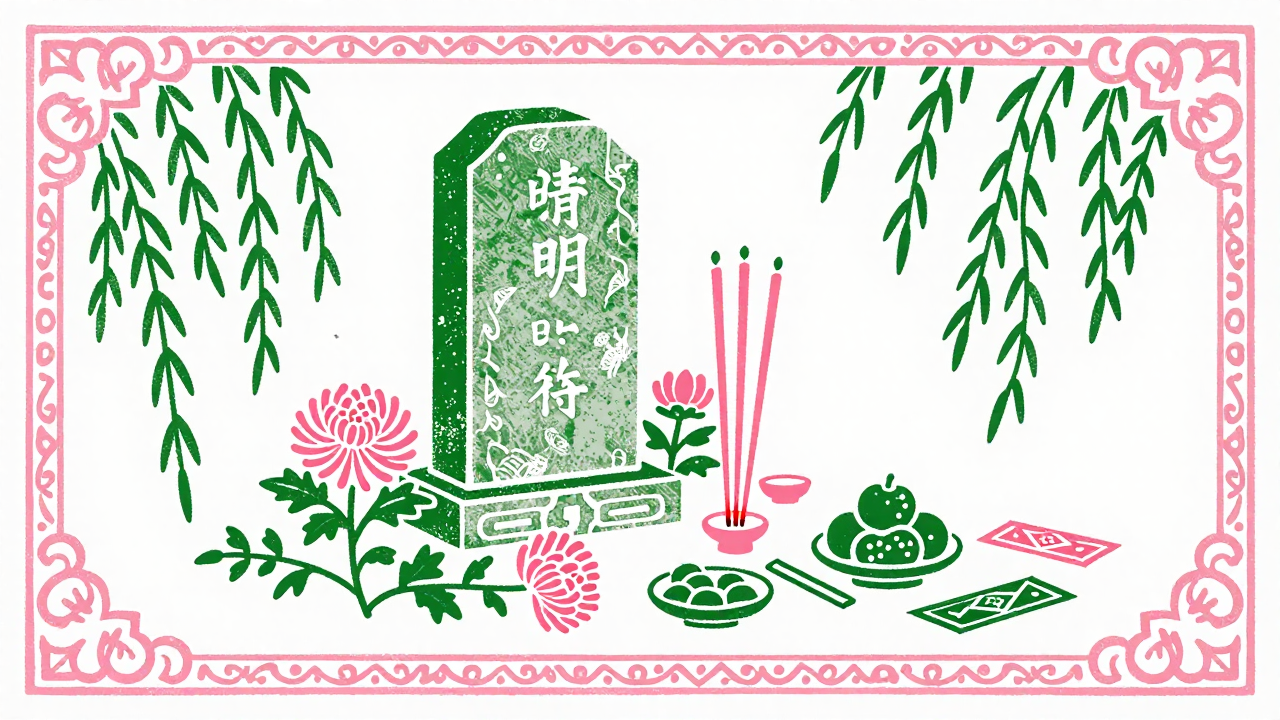
Qingming Festival, celebrated on April 5, is a beautiful and poignant observance that honors the memories of ancestors while welcoming the arrival of spring. Also known as Tomb-Sweeping Day, this festival is a time for families in China to come together to pay respects at the graves of their loved ones. With the gentle warmth of spring in the air, people tidy up the burial sites, offer food, burn incense, and present paper offerings, creating a heartfelt connection between the living and the departed.
Beyond its solemnity, Qingming Festival is also a celebration of nature's rebirth. As families prepare for the occasion, they often take the opportunity to enjoy the blooming flowers and lush greenery that accompanies this season. It is a day of reflection, of cherishing memories, but also one of renewal and gratitude for life's cycle. As families gather to honor their heritage and enjoy the beauty of the earth, Qingming Festival embodies the essence of respect, love, and the enduring bonds that connect generations.
History
Qingming Festival, also known as Tomb-Sweeping Day, is celebrated on April 5 each year and has deep roots in Chinese history. Its origins can be traced back over 2,500 years to the Zhou Dynasty (1046–256 BCE). The festival initially served as a time for families to honor their ancestors by visiting their graves and making offerings, which reflects the Confucian values of filial piety and respect for one’s forebears. The name "Qingming" translates to "clear and bright," symbolizing the arrival of spring and the renewal of life, which aligns with the traditional practices of honoring the deceased while also celebrating the rebirth of nature.
Over the centuries, Qingming Festival evolved in its observance and significance. During the Tang Dynasty (618–907 CE), the festival started to gain more prominence, with documented customs including flying kites and enjoying outdoor activities. The practice of kite flying, in particular, was thought to bring good luck and drive away evil spirits. As the festival became more widely recognized, it absorbed various local customs and traditions, leading to regional variations in how it is celebrated. By the time of the Song Dynasty (960–1279 CE), Qingming had become a public holiday, further solidifying its status in Chinese culture.
Culturally, Qingming Festival serves as an important reminder of the connection between the living and the deceased. Families participate in rituals that often include cleaning grave sites, making offerings of food, incense, and paper money, and sometimes burning effigies. These activities not only honor ancestors but also strengthen family bonds and reinforce cultural identity. The festival also coincides with the arrival of spring, making it a dual celebration of both remembrance and the joy of life’s renewal.
In contemporary times, Qingming Festival continues to be a significant observance in Chinese society, highlighting the importance of family and tradition. It has also gained recognition beyond China, celebrated by Chinese communities worldwide, which helps to preserve cultural heritage. While the core practices of tomb sweeping remain, modern interpretations often incorporate leisure activities such as picnics and outdoor gatherings, reflecting a blend of solemn remembrance and joyful celebration. As Qingming Festival is observed on April 5 each year, it stands as a testament to the enduring nature of Chinese cultural traditions, bridging the past with the present.