Cheng Ming Festival
China, Taiwan, Hong Kong, Malaysia, Singapore
About
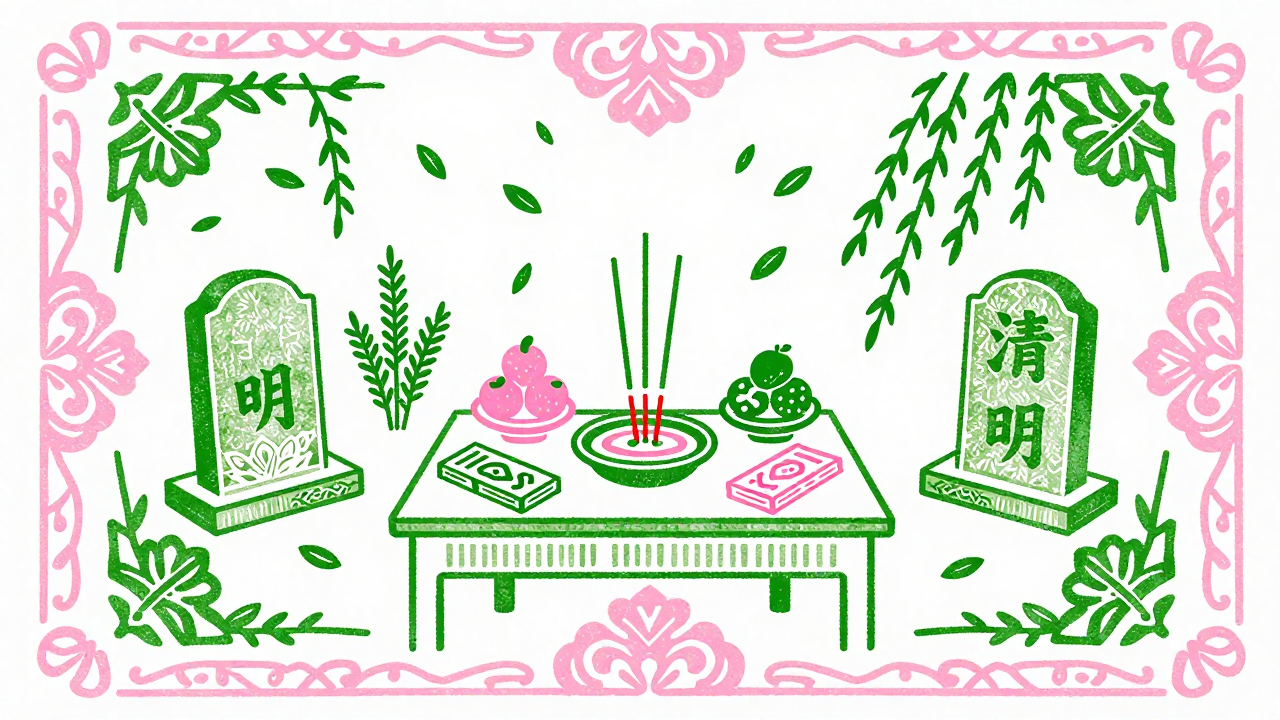
Cheng Ming Festival, also known as Tomb-Sweeping Day, is a cherished observance celebrated on April 5 each year. This poignant festival is a time for families to come together, honoring their ancestors and remembering loved ones who have passed away. The day is steeped in tradition, as people visit the graves of their forebears, offering food, incense, and other tributes to pay their respects. It is a beautiful blend of remembrance and renewal, reminding us of the importance of family ties and the cycle of life.
As spring unfolds, the festival also marks a time for reconnecting with nature. Many choose to fly kites, symbolizing the release of sorrow and the uplifting of spirits. The vibrant colors of the kites soaring against the blue sky add a lively touch to the somber act of remembrance. Cheng Ming Festival serves not only as a time for reflection but also as an opportunity to celebrate the beauty of life, encouraging families to cherish their heritage while embracing the warmth of each other’s company.
History
The Cheng Ming Festival, also known as Qingming Festival, has deep roots in Chinese culture and is celebrated annually on April 5. Its origins can be traced back over 2,500 years to the Zhou Dynasty (1046-256 BCE), where it began as a springtime celebration marking the arrival of warmer weather. Initially, it was a time for families to enjoy outdoor activities, flying kites and enjoying nature's rebirth after winter. However, it gradually evolved into a more solemn occasion dedicated to honoring ancestors.
The festival's transformation into a day of remembrance is closely linked to the Confucian value of filial piety, which emphasizes respect for one’s ancestors. During the Tang Dynasty (618-907 CE), the observance became more formalized, when it was designated as a day to pay respects at gravesites. People began to visit the tombs of their forebears, cleaning the sites, making offerings of food, and burning incense and paper money as a means of honoring the deceased. This aspect of the festival highlights the importance of family lineage and the belief that the spirits of ancestors continue to influence the living.
Over time, Cheng Ming Festival has incorporated various customs and traditions that reflect regional variations across China. In addition to grave-sweeping, the festival includes activities such as kite flying, which symbolizes the release of the soul and the wish for good fortune. Families often prepare traditional foods, such as qingtuan (green rice balls), which are made from glutinous rice and often filled with sweet red bean paste. These practices not only serve as a tribute to ancestors but also foster family unity and community bonding.
Culturally, Cheng Ming Festival serves as a reminder of the cycle of life and death, intertwining themes of remembrance and renewal. The festival underscores the significance of maintaining connections with one's heritage and the values passed down through generations. As contemporary society evolves, the observance continues to adapt while still holding onto its core principles, making it a poignant reflection of the enduring importance of family and memory in Chinese culture. Celebrated on April 5 each year, Cheng Ming Festival remains a vital observance that honors the past while embracing the future.