Purim
Israel, United States, Canada, United Kingdom, France, Australia, Argentina, South Africa, Germany, Russia
About
Purim, celebrated on March 23, is a joyous and vibrant holiday in the Jewish calendar that commemorates the bravery of Queen Esther and her cousin Mordecai in saving the Jewish people from the wicked Haman in ancient Persia. This festive occasion is marked by its spirited atmosphere, lively gatherings, and the retelling of the Purim story through the reading of the Megillah, or Book of Esther. As families and friends come together, the narrative unfolds with excitement, highlighting themes of courage, resilience, and the importance of community.
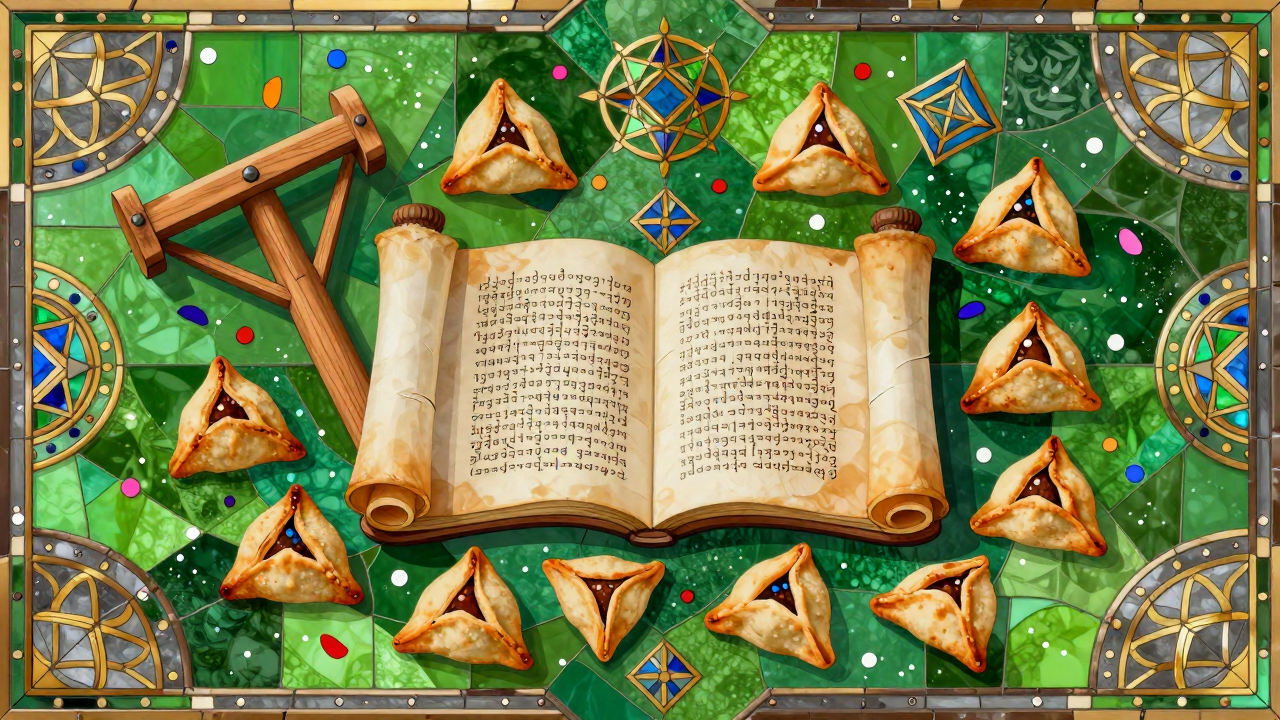
The celebration of Purim is characterized by a variety of delightful customs and traditions. People often dress in costumes, embodying the playful spirit of the holiday, and indulge in a feast filled with delicious treats, including hamantaschen—triangular pastries filled with sweet fillings. Additionally, charitable giving and exchanging gifts, known as mishloach manot, are integral parts of the observance, fostering a sense of unity and kindness. As March 23 approaches, communities around the world prepare to embrace the joy of Purim, reminding everyone of the enduring power of hope and togetherness in the face of adversity.
History
Purim is a Jewish holiday that celebrates the deliverance of the Jewish people from a plot to annihilate them in ancient Persia, as recounted in the Book of Esther. The origins of Purim can be traced back to the events described in this biblical text, which narrates how Queen Esther and her cousin Mordecai thwarted the plans of Haman, the royal vizier who sought to destroy the Jews. The observance of Purim takes place on March 23, following the Jewish calendar of the 14th day of Adar. This date is marked with joyous celebrations, feasting, and communal gatherings, reflecting the themes of survival and hope.
Over time, Purim evolved from a historical commemoration into a vibrant festival filled with various customs and traditions. The practice of reading the Megillah, the scroll of Esther, is central to the observance, where congregants gather to hear the story recounted in synagogues. This act not only preserves the memory of the events but also serves as a reminder of the ongoing struggle against oppression. Additionally, the holiday has developed into a time for festive meals, gift-giving, and charitable acts, known as "mishloach manot," where people send food parcels to friends and family, reinforcing communal bonds and generosity.
Culturally, Purim holds significant importance within Jewish tradition as it embodies the themes of resilience and identity. The festive atmosphere encourages merriment, often accompanied by costumes and masks, allowing participants to express joy and creativity. The celebration of Purim also serves to instill a sense of pride in Jewish heritage and history, reminding communities of their endurance in the face of adversity. As the holiday is observed on March 23, it stands as a testament to the strength of the Jewish people and their ability to celebrate life, even in the shadow of past threats. Through its rich customs and historical roots, Purim remains a cherished observance that unites communities in joy and reflection.