Day of the Liberation of Southern Africa
Angola, Botswana, Lesotho, Namibia, South Africa, Swaziland, Zimbabwe
About
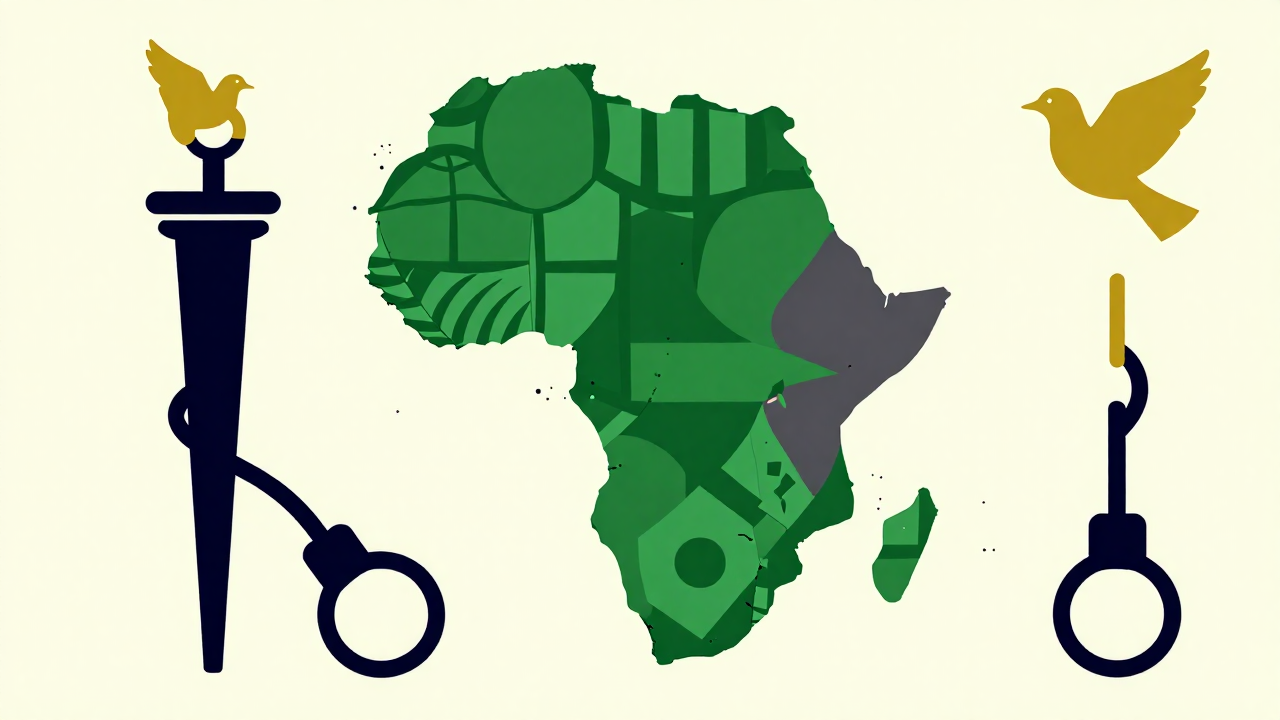
The Day of the Liberation of Southern Africa, observed on March 23, is a significant occasion that celebrates the hard-fought struggle for freedom and independence across Southern Africa. This day honors the resilience and bravery of those who fought against colonialism and oppression, paving the way for a brighter future. It serves as a reminder of the sacrifices made by countless individuals who stood up for their rights and the rights of their communities, striving for peace, justice, and equality.
As people reflect on the historical events that shaped the region, communities come together to celebrate their shared heritage and cultural diversity. Festivities often include educational programs, cultural performances, and discussions that highlight the importance of unity and the ongoing pursuit of social justice. The Day of the Liberation of Southern Africa not only commemorates past victories but also inspires current and future generations to continue the work of building a more inclusive and equitable society.
History
The Day of the Liberation of Southern Africa, observed on March 23, commemorates the struggle against colonial rule and apartheid in Southern Africa. The observance was established to honor the sacrifices made by various liberation movements throughout the region, particularly during the latter half of the 20th century. The date was chosen to reflect significant milestones in the anti-colonial and anti-apartheid movements, particularly the formation of the Southern African Development Community (SADC) in 1980, which aimed to promote economic cooperation and political stability among member states.
The origins of this observance trace back to the broader context of decolonization in Africa, which peaked during the 1960s and 1970s. Countries in Southern Africa faced oppressive colonial regimes and apartheid systems that marginalized large segments of their populations. Liberation movements, such as the African National Congress (ANC) in South Africa, the Zimbabwe African National Union (ZANU), and others, fought tirelessly to end these injustices. Over time, these struggles coalesced into a regional effort, culminating in a collective recognition of March 23 as a day to celebrate the triumphs achieved and to remember those who fought for freedom.
As the years progressed, the Day of the Liberation of Southern Africa evolved into a significant cultural observance. It serves as a reminder of the ongoing challenges faced by various nations in the region, even after the formal end of apartheid in South Africa in 1994. Educational programs, cultural events, and political discussions are often organized on this day to raise awareness about the history of liberation struggles, the importance of unity among Southern African nations, and the continuous fight against inequality and injustice. The day also emphasizes solidarity with other global movements that seek to address similar issues.
Culturally, the Day of the Liberation of Southern Africa has become a platform for artists, musicians, and writers to express their reflections on freedom and justice. Celebrations often include traditional music, dance, and exhibitions that highlight the rich heritage of Southern African cultures. This observance not only commemorates the past but also fosters a sense of hope and resilience for future generations, encouraging them to engage in the ongoing pursuit of equality and human rights. March 23 stands as a powerful reminder of the struggles endured and the victories achieved in the quest for liberation across Southern Africa.