Pongal
India, Sri Lanka, Mauritius, Malaysia, Singapore
About
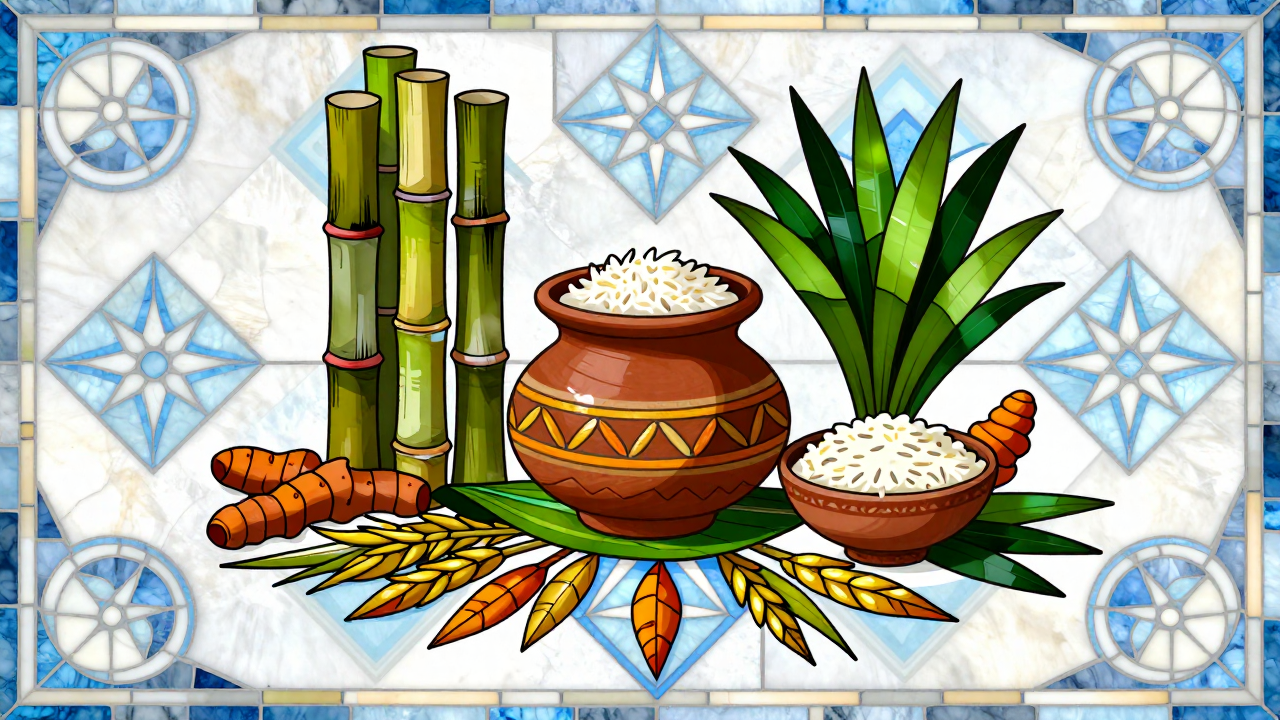
Pongal, celebrated on January 15, is a vibrant and joyous festival that holds great significance in Tamil culture, primarily in the southern parts of India. This four-day harvest festival marks the end of the winter solstice and the beginning of the sun's northward journey, symbolizing fertility, abundance, and gratitude for the bountiful harvest. The name "Pongal" itself means "to boil" or "overflow," which perfectly encapsulates the spirit of the festival as families come together to prepare a special dish made of newly harvested rice, cooked with milk and jaggery, often garnished with nuts and spices.
The festival is not just about feasting; it is a time to honor nature and express gratitude to the sun, the earth, and the cattle that play a crucial role in agriculture. Traditions such as decorating homes with colorful kolams (rangoli), exchanging gifts, and participating in lively community events add to the celebratory atmosphere. Families gather to share meals, partake in traditional games, and enjoy music and dance, creating cherished memories that strengthen bonds and reflect the essence of togetherness. As the sun rises on January 15, the joyous celebrations of Pongal remind everyone of the importance of harmony with nature and the blessings of a fruitful life.
History
Pongal is a traditional harvest festival celebrated primarily in the Indian state of Tamil Nadu and among Tamil communities around the world. Observed annually on January 15, this festival marks the end of the winter solstice and the beginning of the sun's northward journey, known as Uttarayanam. The term "Pongal" itself translates to "boiling over" in Tamil, and refers to the dish made from newly harvested rice, which is prepared as part of the festivities. The origins of Pongal can be traced back over a thousand years, deeply rooted in agrarian practices, where it served as a means to express gratitude to nature, the sun, and the cattle that play a vital role in farming.
Historically, Pongal has evolved from a simple harvest celebration to a vibrant multi-day festival that encapsulates various cultural and spiritual elements. Initially celebrated by farmers to mark the end of the harvest season, the festival has incorporated diverse practices and rituals over time. The four-day celebration includes significant days such as Bhogi, where old items are discarded, and Maatu Pongal, dedicated to honoring cattle. This evolution reflects the changing dynamics of agricultural practices and the integration of folklore, community bonding, and spiritual observances.
Culturally, Pongal holds immense significance as it brings families and communities together to celebrate their agricultural heritage. The festival is characterized by the preparation of the Pongal dish, along with the decoration of homes and public spaces with colorful kolams (rice flour designs) and vibrant decorations. Rituals performed during Pongal, such as the offering of food to the sun god and the lighting of bonfires, symbolize the collective gratitude of the community. In contemporary times, it has also become a platform for promoting environmental awareness, emphasizing sustainable farming practices and the importance of coexistence with nature.
As Pongal is celebrated on January 15 each year, it not only serves as a reminder of the region's agrarian roots but also reflects the rich cultural tapestry of Tamil Nadu. The festival fosters a sense of unity among people, encouraging them to come together in celebration, remembrance, and appreciation of the land and resources that sustain their lives. Over the years, Pongal has gained recognition beyond the Tamil diaspora, becoming a symbol of Tamil identity and culture, celebrated with enthusiasm by Tamil communities worldwide.