Makar Sankranti
India, Nepal, Bangladesh, Sri Lanka, Mauritius
About
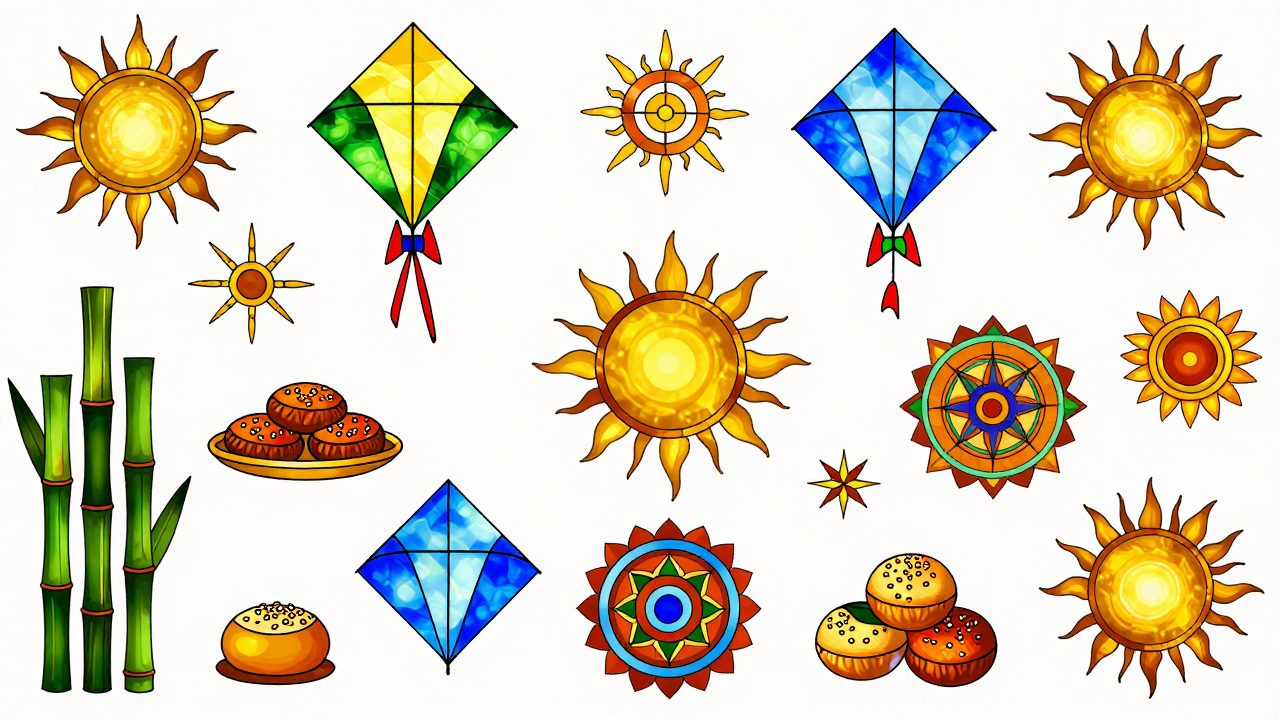
Makar Sankranti, celebrated on January 15, marks a vibrant transition in the Indian calendar as it signifies the end of the winter solstice and the beginning of longer days. This auspicious festival is dedicated to the sun god, Surya, and is celebrated with immense joy across various regions of India. As the sun enters the zodiac sign of Capricorn (Makar), families come together to offer prayers, share traditional meals, and participate in lively festivities that embody the spirit of unity and gratitude.
The celebration of Makar Sankranti is rich with cultural significance and local traditions. Kite flying is one of the most iconic activities associated with this festival, particularly in states like Gujarat and Rajasthan, where the sky is filled with colorful kites soaring high, symbolizing the joy of the season. Many also prepare special treats made from sesame seeds and jaggery, which are not only delicious but also believed to have health benefits. As communities unite to celebrate, Makar Sankranti serves as a reminder of the importance of togetherness, renewal, and the promise of brighter days ahead. Embrace the warmth of this festival on January 15, and dive into the rich tapestry of customs that make it a cherished occasion for many.
History
Makar Sankranti, observed on January 15, is a significant harvest festival celebrated primarily in India and Nepal. Its origins can be traced back to ancient times, closely linked to the agricultural practices and the solar calendar. The festival marks the transition of the sun into the zodiac sign of Capricorn (Makar), symbolizing the end of the winter solstice and the beginning of longer days. This solar event is rooted in Vedic traditions, where it was celebrated as a time of prosperity and abundance, as farmers prepared to reap the rewards of their harvest.
Over centuries, Makar Sankranti has evolved into a multi-faceted celebration, incorporating various regional customs and rituals. Initially observed by agrarian communities, the festival has expanded its significance to include various cultural and social dimensions. In different parts of India, it is known by various names, such as Pongal in Tamil Nadu and Lohri in Punjab, each with its unique set of customs. Despite these regional variations, the core essence of the festival remains the same: gratitude for the harvest and a celebration of the sun's return.
Culturally, Makar Sankranti holds immense importance as it fosters community bonding and social harmony. Families come together to prepare traditional foods, such as sesame seed sweets and rice dishes, and participate in various activities, including kite flying, which has emerged as a popular pastime during the festival. The occasion is also an opportunity for spiritual reflection, as many people take holy dips in rivers, particularly the Ganges, to cleanse themselves of sins and seek blessings for the year ahead.
In contemporary times, Makar Sankranti continues to be a vibrant and joyous occasion that resonates with people across generations. Its celebration, marked by a sense of gratitude and hope, highlights the intrinsic connection between nature, agriculture, and human life. As societies change and modernize, the festival remains a testament to the enduring relationships within communities and the importance of honoring traditions that celebrate the cycles of nature.