Philippine-Spanish Friendship Day
Philippines, Spain
About
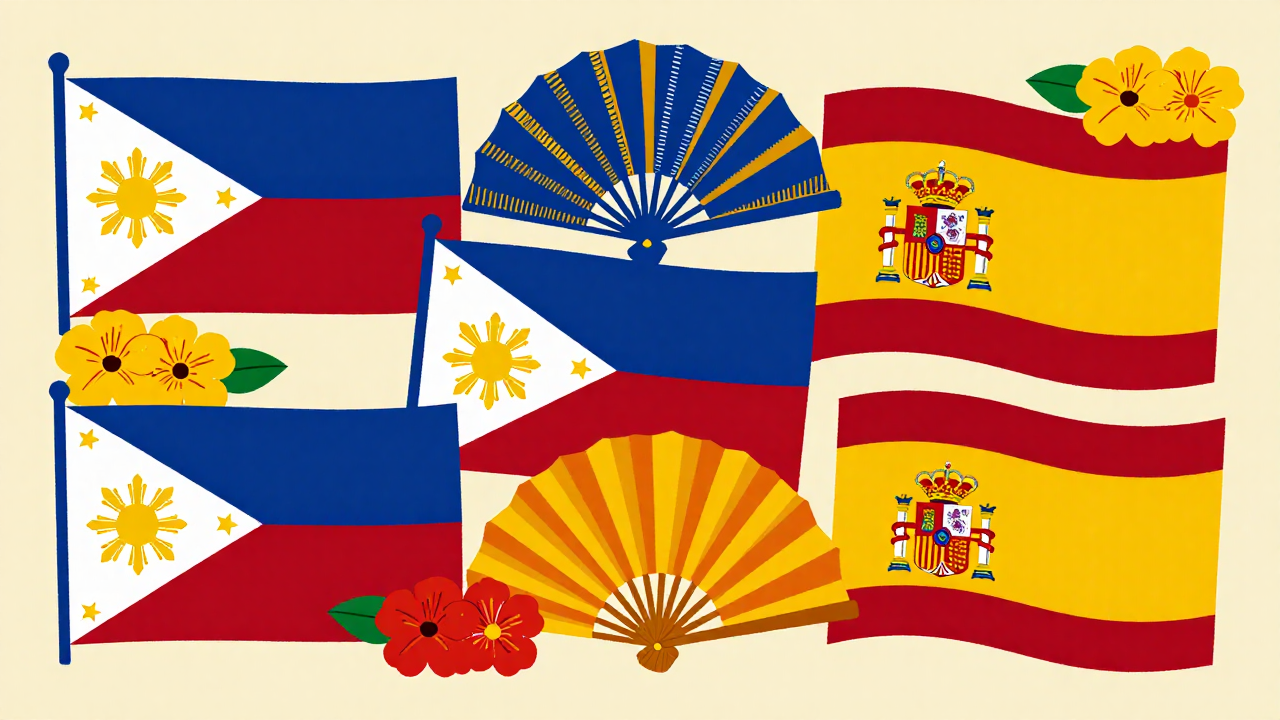
Philippine-Spanish Friendship Day, observed on June 30, celebrates the enduring ties between the Philippines and Spain. The occasion recognizes the countries’ shared history and the many cultural connections shaped through language, traditions, faith, food, art, and enduring relationships between their people.
It is also a time to honor the friendship and cooperation that continue to connect the two nations. Through cultural activities, educational programs, and community gatherings, Philippine-Spanish Friendship Day encourages appreciation of their common heritage while looking toward a future built on mutual respect and understanding.
History
Philippine-Spanish Friendship Day is observed every June 30 to recognize the long historical relationship between the Philippines and Spain. That relationship began during more than three centuries of Spanish rule, a period that profoundly influenced Philippine religion, language, law, architecture, education, customs, and national institutions. Although the colonial experience included exploitation, inequality, and resistance, it also created enduring cultural connections that continued after the Philippines became independent.
The observance was formally established through Republic Act No. 9187, which declared June 30 each year as Philippine-Spanish Friendship Day. The law reflects the two countries’ effort to view their shared past through reconciliation, mutual respect, and cooperation rather than through colonial history alone. It also encourages activities that strengthen friendship and promote greater understanding of the historical and cultural ties between the Filipino and Spanish peoples.
Over time, the day has developed into an occasion for cultural diplomacy. Government agencies, schools, cultural organizations, and Spanish and Philippine institutions may mark June 30 through conferences, exhibitions, educational programs, artistic performances, language activities, and commemorations of notable historical figures and events. These activities often highlight the contributions of Filipino scholars, writers, reformers, and nationalists who engaged with Spain while advocating Philippine rights and identity.
The significance of Philippine-Spanish Friendship Day lies in its acknowledgment of a complicated but continuing relationship. Spanish influence remains visible in Filipino surnames, Catholic traditions, festivals, food, music, legal concepts, place names, and vocabulary, while Filipino communities and cultural contributions have also become part of contemporary Spanish society. Observed on June 30, the day provides an opportunity to remember the past honestly, celebrate shared cultural links, and encourage present-day cooperation in education, heritage preservation, commerce, and people-to-people relations.