International Asteroid Day
Luxembourg, United States, Canada, United Kingdom, Australia, New Zealand, India, Japan, China, Germany, France, Italy, Spain, Brazil, Mexico, South Africa, Russia
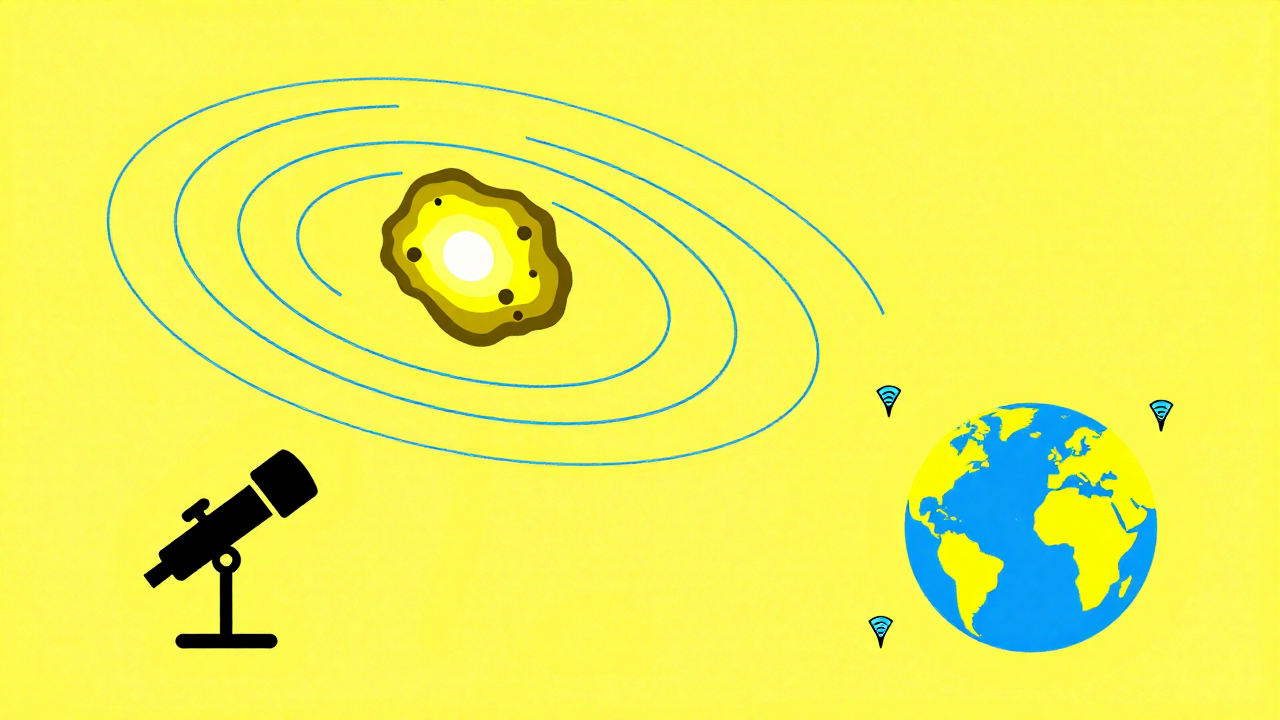
About
International Asteroid Day, observed on June 30, invites people around the world to look skyward and learn more about the asteroids that travel through our solar system. The date commemorates the Tunguska event of June 30, 1908, when a powerful explosion occurred over a remote region of Siberia—one of the largest known asteroid-related events in recorded history.
The observance highlights the importance of studying near-Earth objects, improving systems that detect them, and supporting international cooperation in planetary defense. It is also a celebration of discovery, encouraging everyone—from space enthusiasts to curious families—to explore the science behind asteroids and our changing understanding of the universe.
History
International Asteroid Day is observed annually on **June 30** to raise awareness of asteroids, their scientific importance, and the potential risks posed by near-Earth objects. The date commemorates the Tunguska event of June 30, 1908, when a large explosion occurred over a remote area of Siberia. Although no impact crater was identified, the blast flattened a vast area of forest and is generally attributed to an asteroid or comet fragment that exploded in the atmosphere. The event remains one of the most significant recorded encounters between Earth and a near-Earth object.
The modern observance grew from an initiative launched in 2014 by a group of scientists, astronauts, artists, and public figures, including astrophysicist Brian May, astronaut Rusty Schweickart, filmmaker Grig Richters, and former Apollo astronaut Alexei Leonov. They sought to encourage global discussion about asteroid detection, scientific research, and planetary defense. A central part of the early campaign was the Asteroid Day Declaration, which called for improved efforts to find and track asteroids that could come close to Earth.
The United Nations formally recognized **June 30** as International Asteroid Day in December 2016, giving the observance an international foundation. Since then, space agencies, research institutions, museums, schools, and science organizations have used the day for lectures, exhibitions, documentaries, public forums, and educational activities. These programs commonly explain how astronomers discover and monitor near-Earth objects, how spacecraft study asteroids, and how scientists assess the likelihood and consequences of a possible impact.
Culturally, International Asteroid Day links a dramatic historical event with contemporary efforts to understand and protect the planet. It is not intended solely as a warning about catastrophe; it also highlights asteroids as valuable scientific records of the early solar system and as possible sources of future resources. By combining remembrance of the Tunguska event with public education and international cooperation, the observance has helped make planetary defense and asteroid science more accessible to a worldwide audience.