People Power Revolution
Philippines
About
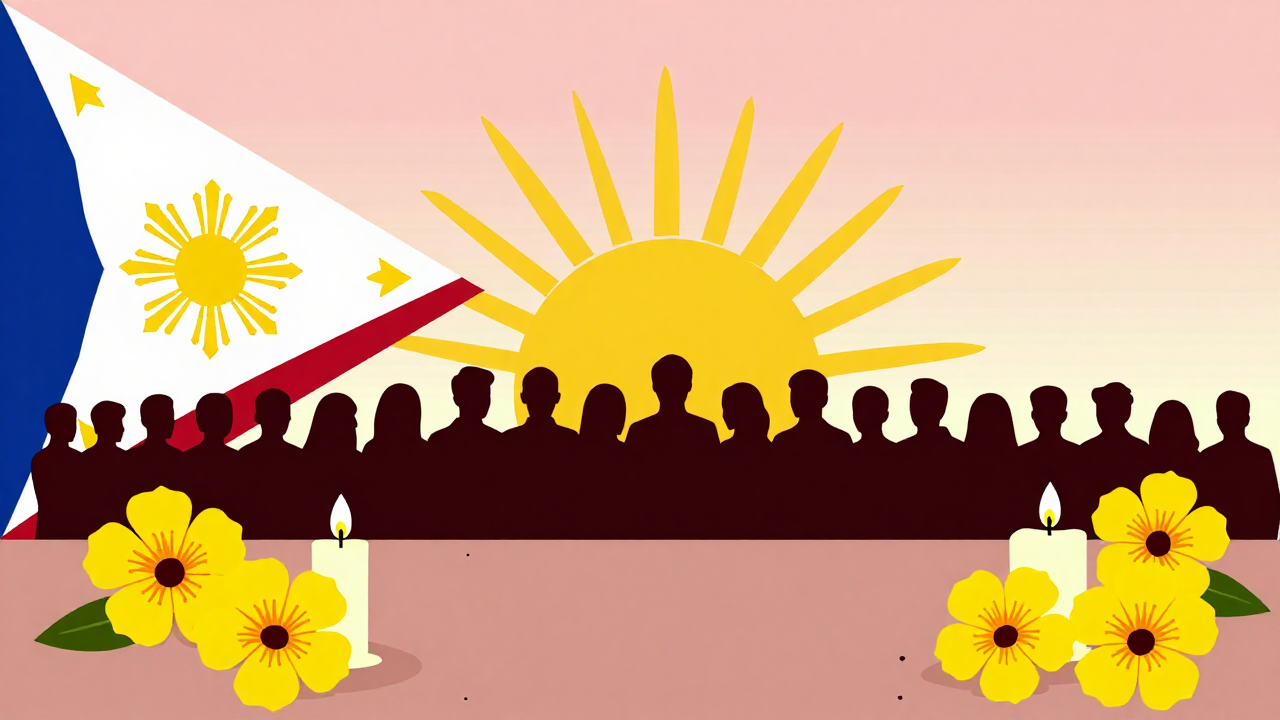
The People Power Revolution, celebrated on February 25, is a vibrant commemoration of the extraordinary nonviolent uprising that transformed the Philippines in 1986. This pivotal moment in history saw millions of Filipinos come together to peacefully advocate for democracy and human rights, ultimately leading to the ousting of dictator Ferdinand Marcos. The spirit of unity and collective action demonstrated during this time continues to inspire movements for change around the world, making this observance a powerful reminder of the strength of the people when they stand together for justice.
On this day, communities across the Philippines and beyond reflect on the values of courage, resilience, and solidarity that fueled the revolution. Various events, including parades, ceremonies, and educational activities, are held to honor the heroes of the movement and to ensure that the lessons learned from the past resonate with future generations. The People Power Revolution serves not only as a celebration of a significant historical event but also as a call to action for individuals everywhere to engage in the ongoing pursuit of democracy and equality.
History
The People Power Revolution, also known as the EDSA Revolution, is a significant historical event in the Philippines that is commemorated annually on February 25. This peaceful uprising took place in 1986 and marked a pivotal moment in the country’s struggle against dictatorship. The revolution was primarily a response to the oppressive regime of President Ferdinand Marcos, who had declared martial law in 1972, leading to widespread human rights abuses, corruption, and economic decline. The immediate catalyst for the revolution was the assassination of opposition leader Benigno "Ninoy" Aquino Jr. in 1983, which galvanized public sentiment against the Marcos administration.
As the movement gained momentum, various sectors of society, including religious groups, students, and civil society organizations, began to rally against the regime. The culmination of these efforts occurred over four days from February 22 to 25, 1986, when millions of Filipinos gathered along Epifanio de los Santos Avenue (EDSA) in Metro Manila. Armed with nothing but their faith and determination, they peacefully confronted military forces loyal to Marcos. The event is often remembered for the iconic image of people forming a human barricade, holding rosaries and chanting prayers, which ultimately led to the ousting of Marcos and the restoration of democracy in the Philippines.
Over the years, the People Power Revolution has evolved into a symbol of nonviolent resistance and has inspired similar movements around the world. Its legacy is celebrated not only in the Philippines but also serves as a case study in peaceful protest, demonstrating the power of collective action against tyranny. The anniversary on February 25 has become a national holiday, often marked by ceremonies, parades, and educational programs that reflect on the values of democracy, freedom, and social justice that the revolution sought to uphold.
Culturally, the People Power Revolution holds a significant place in the hearts of Filipinos, embodying the spirit of unity and resilience in the face of oppression. It represents a collective memory that underscores the importance of civic engagement and the responsibility of citizens to protect their democratic rights. Each year, as Filipinos commemorate the revolution, they are reminded of their history and the ongoing struggle for justice and accountability in their society. The observance of February 25 serves to honor the sacrifices made by countless individuals who stood for their beliefs and to inspire future generations to uphold the principles of democracy and human rights.