Paul Bunyan Day
United States, Canada
About
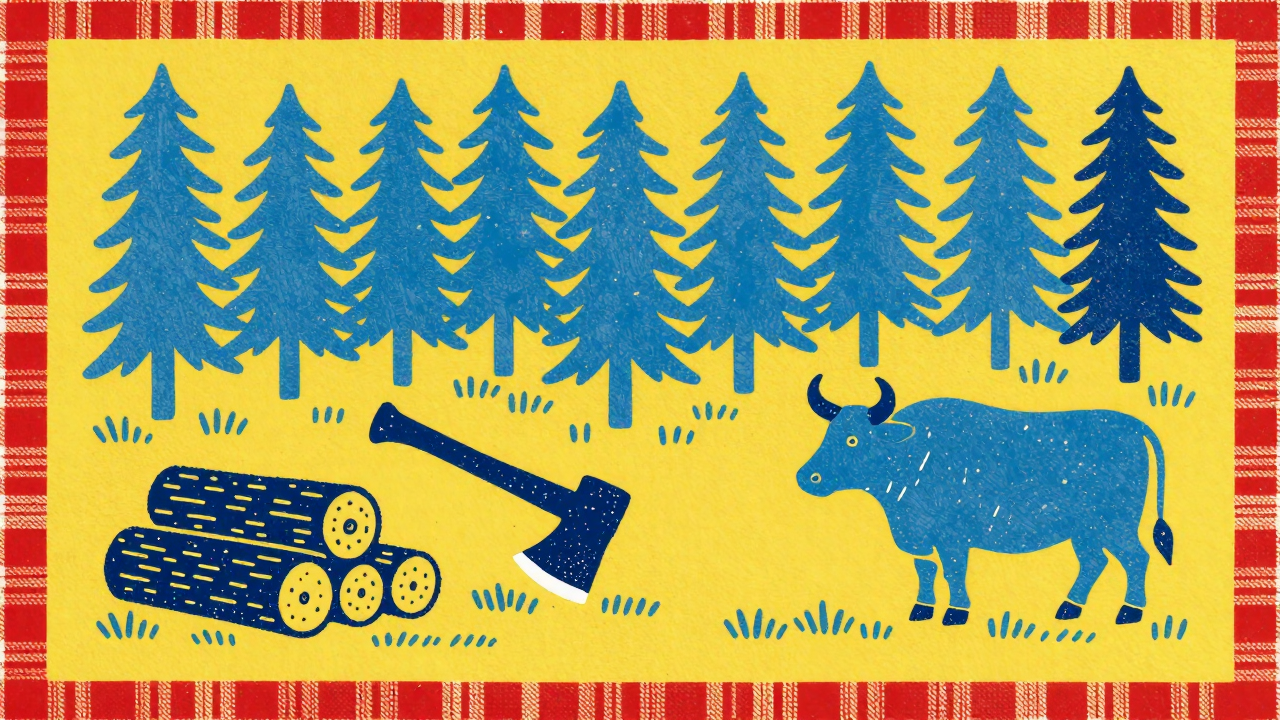
Paul Bunyan Day, observed on June 28, celebrates the legendary lumberjack known for his extraordinary strength, towering size, and larger-than-life adventures. Alongside his famous blue ox, Babe, Paul Bunyan has become an enduring figure in American folklore, especially in stories connected to the forests and logging communities of the Northwoods.
The day is a cheerful opportunity to revisit these imaginative tales, learn about the history and traditions that helped shape them, and enjoy the tall-tale spirit at the heart of the legend. Whether through books, local landmarks, family activities, or a visit to a Paul Bunyan statue, June 28 invites everyone to appreciate the creativity and humor behind one of America’s best-known folk heroes.
History
Paul Bunyan Day is observed on June 28 in honor of Paul Bunyan, the larger-than-life lumberjack of North American folklore. Bunyan is commonly portrayed as a giant woodsman whose strength, appetite, and extraordinary exploits explain the creation of natural features such as lakes, rivers, and mountain ranges. His companion, Babe the Blue Ox, is an equally important part of the tradition. Although the stories are often presented as timeless folk tales, the modern Paul Bunyan legend developed from the storytelling culture of the logging camps of the United States and Canada.
The earliest known Bunyan stories circulated orally among lumberjacks in the late nineteenth and early twentieth centuries. These tales were part of a broader camp tradition in which workers entertained one another with tall tales about enormous trees, impossible feats, and exaggerated characters. Paul Bunyan became especially well known after the stories entered print and advertising. In 1916, advertising writer William B. Laughead helped popularize the character through promotional materials for the Red River Lumber Company, giving Bunyan a more recognizable image and connecting him with commercial lumber culture.
Over time, Paul Bunyan changed from a localized figure in logging folklore into a widely recognized symbol of frontier life, physical labor, and American tall-tale humor. Books, advertisements, postcards, festivals, roadside attractions, and large statues helped spread the character during the twentieth century. Communities in logging regions adopted Bunyan as a source of local identity and tourism, often emphasizing their own versions of his supposed travels and accomplishments. These local interpretations explain why details of the legend can vary considerably from one place to another.
Paul Bunyan Day, observed on June 28, provides an occasion to revisit this folklore and the history of the communities that preserved it. The observance celebrates the creativity of oral storytelling while also reflecting on the cultural importance of logging in the development of many North American towns. At the same time, modern historical discussion recognizes that the legend presents a highly romanticized version of working life in the timber industry, leaving out many of the difficult and dangerous realities faced by lumber workers.