Paper Money Day
About
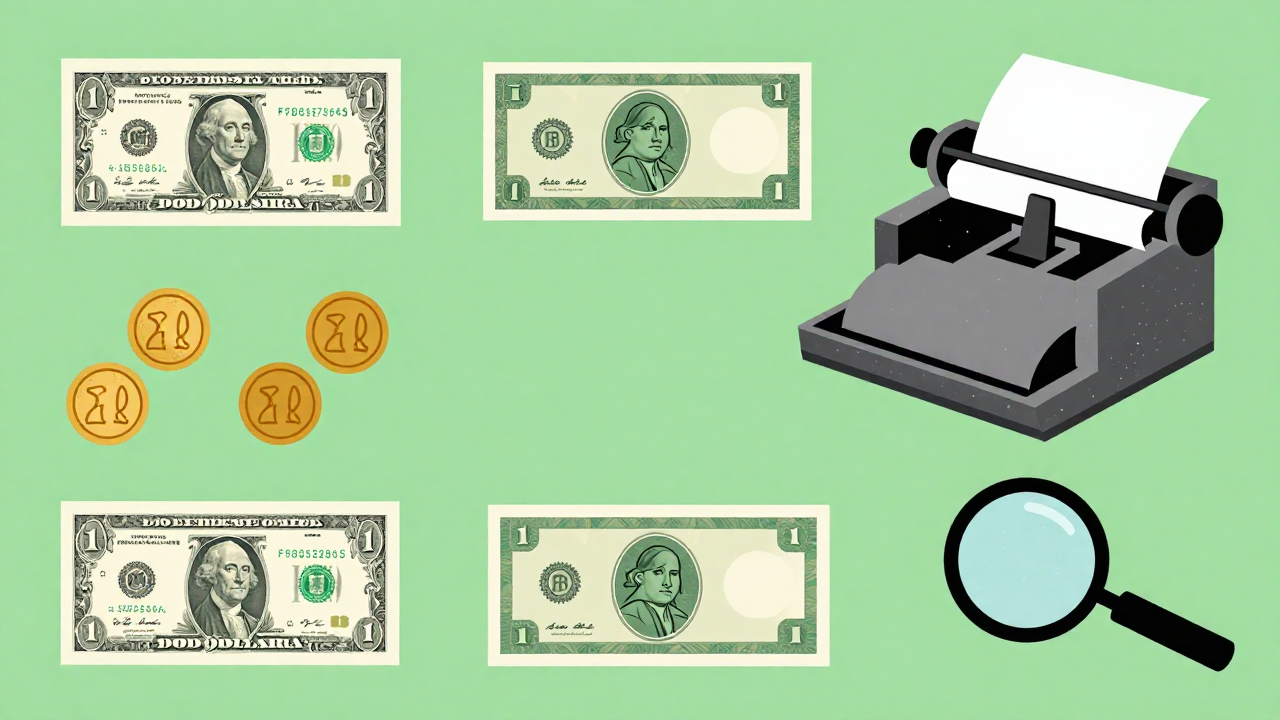
Paper Money Day, observed on March 10, is a delightful opportunity to celebrate the fascinating world of currency and its evolution throughout history. This day invites us to appreciate the artistry and craftsmanship that goes into creating paper money, which has become a fundamental aspect of our daily lives. From the intricate designs that reflect cultural heritage to the security features that protect against counterfeiting, paper currency tells a story of economic development and societal progress.
As you commemorate Paper Money Day, take a moment to explore the various forms of currency from around the globe. Whether it's the colorful notes of the Brazilian real or the intricate patterns of the Euro, each piece of paper money is a unique representation of its nation's identity. You might even consider starting a collection or sharing stories about your own experiences with cash. This observance serves as a gentle reminder of the importance of understanding the origins and significance of the money we use, enriching our appreciation for the value it holds in our everyday transactions. So, on March 10, let’s celebrate the legacy of paper money and its enduring role in our financial lives!
History
Paper Money Day is observed on March 10 each year, commemorating the introduction and significance of paper currency in the financial systems around the world. The origins of paper money can be traced back to ancient China during the Tang Dynasty (618-907 AD), where merchants began using promissory notes as a means of facilitating trade, which eventually evolved into the first forms of paper currency. By the 11th century, the Song Dynasty officially issued the first government-backed paper money, known as "jiaozi," marking a significant shift in economic practices.
As paper money spread across Asia, it made its way to Europe during the late Middle Ages, particularly through trade routes established by explorers and merchants. By the 17th century, the use of banknotes became prevalent in countries such as Sweden and the Netherlands, where banks issued notes that represented a promise to pay the bearer a specific amount of metal currency. This innovation not only simplified transactions but also laid the foundation for modern banking systems. The establishment of central banks further solidified the role of paper currency, ultimately leading to its widespread adoption across the globe.
Over the centuries, Paper Money Day has evolved into a celebration of the monetary systems that underpin economies worldwide. It serves as a reminder of the historical journey from barter systems to the complex financial instruments we use today. Cultural attitudes towards money, value, and trade are also reflected in the observance, highlighting how paper money has shaped societal structures and individual interactions. This day encourages people to engage in financial literacy, understand the history of currency, and appreciate the role of money in daily life.
In contemporary society, Paper Money Day is not only a date to reflect on the evolution of currency but also to consider the future of money, especially with the rise of digital currencies and contactless payments. As many countries move towards cashless systems, the significance of paper money is being redefined, prompting discussions on its relevance and potential obsolescence. Thus, March 10 stands as a pivotal occasion to honor the tradition of paper currency while acknowledging the changes ahead in the economic landscape.