Eid al-Fitr
Saudi Arabia, Indonesia, Pakistan, India, Turkey, Egypt, Bangladesh, Malaysia, United Arab Emirates, Nigeria, Jordan, Morocco, Iraq, Afghanistan, Algeria, Sudan
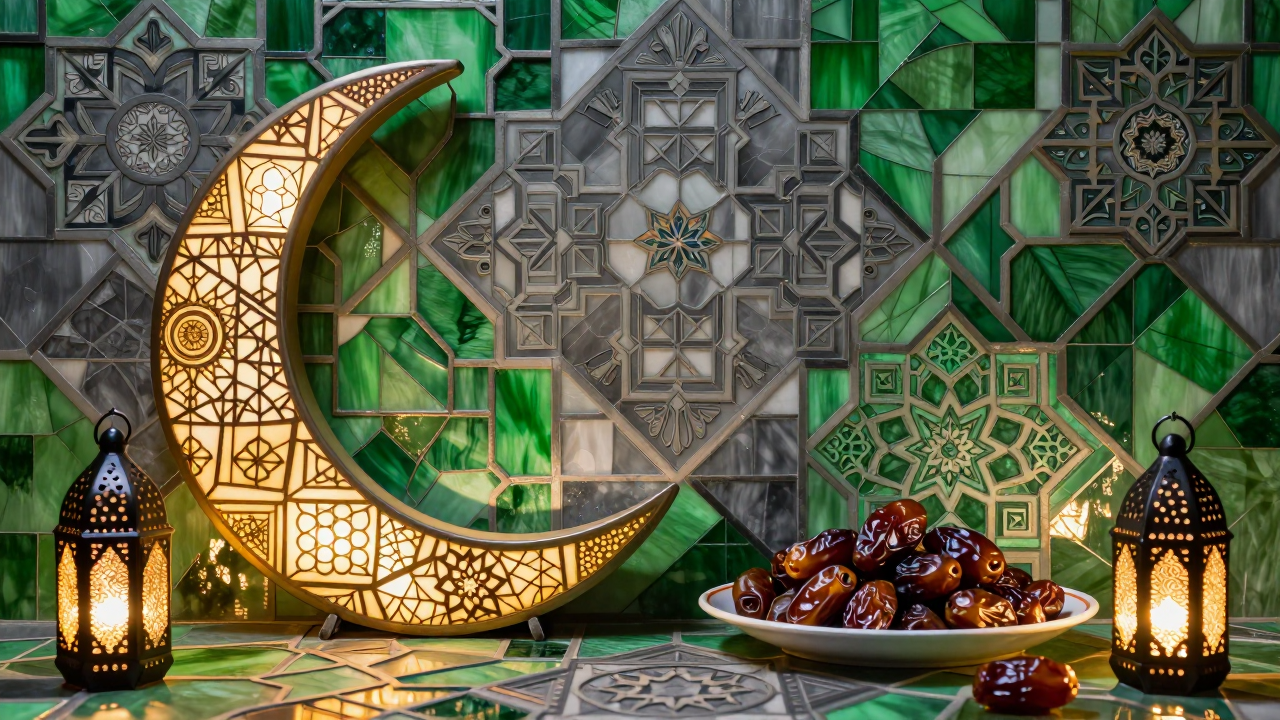
About
Eid al-Fitr, celebrated on March 10 this year, marks the joyous conclusion of Ramadan, a month of fasting, prayer, and reflection for Muslims around the world. This significant holiday, often referred to as the "Festival of Breaking the Fast," symbolizes gratitude for the strength and self-discipline demonstrated during the month of fasting. It's a time for family and friends to come together, share meals, and engage in acts of charity, ensuring that the spirit of compassion and community is at the forefront of the celebration.
As the sun sets on the last day of Ramadan, Muslims gather for a special prayer service at mosques or community centers, often dressed in their finest clothes as a sign of respect for the occasion. Following the prayers, it is customary to give Zakat al-Fitr, a form of charity aimed at helping those in need, ensuring that everyone can partake in the festivities. The day unfolds with feasting, exchanging gifts, and sharing sweet treats, fostering a sense of unity and joy. Eid al-Fitr is not just a celebration of the end of fasting, but a heartfelt reminder of the values of generosity, family, and gratitude that resonate deeply within the Muslim community.
History
Eid al-Fitr, celebrated on March 10, marks the conclusion of Ramadan, the holy month of fasting in the Islamic calendar. The origins of Eid al-Fitr can be traced back to the time of the Prophet Muhammad in the 7th century CE. Following the first Ramadan observed by the Muslim community, the Prophet instituted this festival as a means to commemorate the end of fasting and to express gratitude to Allah for the strength and endurance displayed during the month. The festival serves both as a time of reflection and as a joyous occasion for communal prayers and celebrations, which have become integral to its observance over the centuries.
As Islam spread across various regions, the observance of Eid al-Fitr began to evolve, adapting to different cultural contexts while retaining its core significance. Initially celebrated in Medina, the festival soon gained prominence in the larger Islamic world. By the 8th century, it had become a well-established tradition in many Muslim communities, often characterized by festive meals, social gatherings, and the giving of Zakat al-Fitr, a form of charity intended to assist those in need. This practice emphasizes the importance of community and generosity during the holiday, reinforcing the spirit of compassion that underpins the celebration.
Culturally, Eid al-Fitr has grown to encompass a wide array of customs and traditions that vary from one country to another. In many regions, it is customary to begin the day with a special prayer, known as the "Salat al-Eid," performed in congregation. This prayer is usually followed by a sermon, and then families and friends come together to share festive meals, often featuring traditional dishes and sweets that are unique to each culture. The holiday also serves as a time for reconciliation and strengthening of community ties, as people exchange greetings, gifts, and well-wishes.
The significance of Eid al-Fitr extends beyond individual and communal celebration; it represents the culmination of spiritual growth and discipline achieved during Ramadan. It is a time to express gratitude for blessings received, to reflect on the lessons of sacrifice and self-control, and to foster a sense of unity among Muslims worldwide. As the observance continues to be celebrated on March 10, it remains a vital aspect of Islamic identity and cultural heritage, embodying both the spiritual and social dimensions of the faith.