Pan American Day
Argentina, Brazil, Chile, Colombia, Costa Rica, Dominican Republic, Ecuador, El Salvador, Guatemala, Honduras, Mexico, Nicaragua, Panama, Paraguay, Peru, United States, Venezuela
About
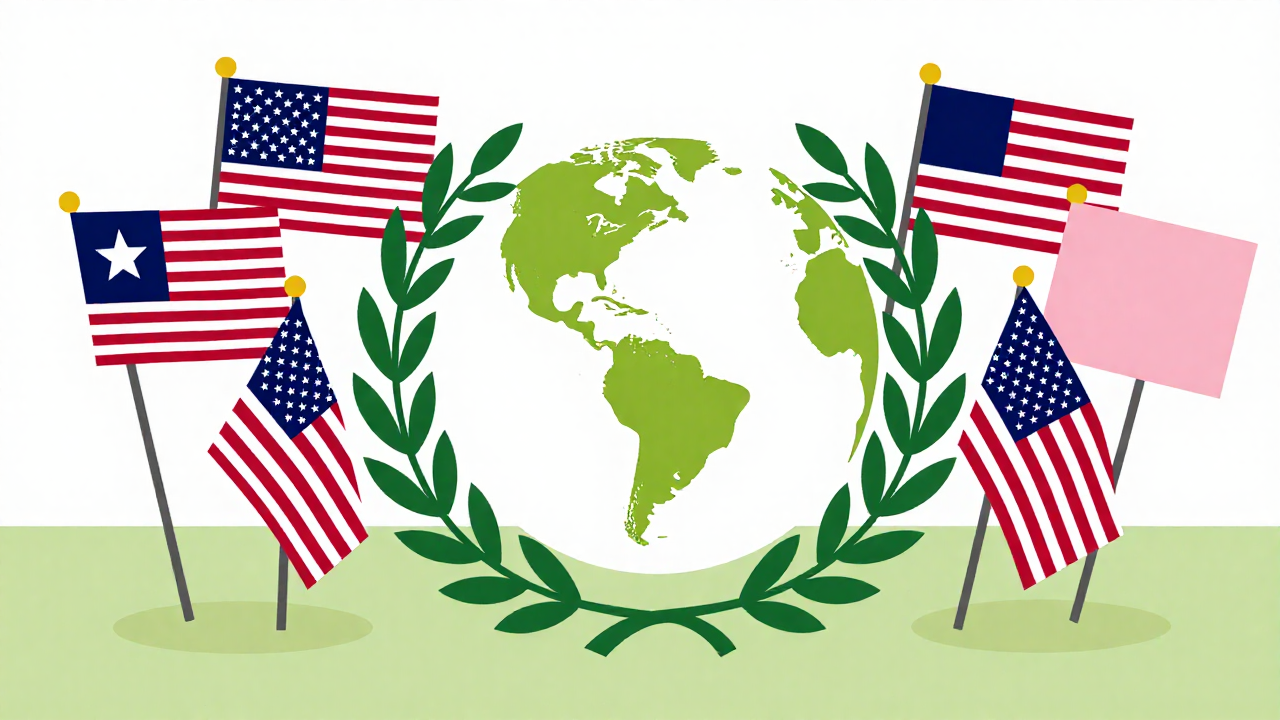
Pan American Day, celebrated on April 14, is a heartfelt occasion that honors the unity and shared values among the nations of the Americas. Established to celebrate the establishment of the Union of American Republics in 1890, this day encourages a spirit of cooperation, friendship, and mutual understanding across diverse cultures and backgrounds. It serves as a reminder of the rich tapestry of traditions, languages, and histories that bind the countries of North, Central, and South America together.
On this special day, people come together to reflect on the importance of fostering relationships and promoting peace throughout the continent. Communities often engage in various activities, including educational programs, cultural exhibitions, and festive gatherings that highlight the unique contributions of different nations. Whether it's sharing traditional foods, music, or stories, Pan American Day invites everyone to celebrate the beauty of diversity while emphasizing our common aspirations for a harmonious future. So, as April 14 approaches, let us embrace the spirit of Pan Americanism and honor the connections that enrich our lives across the Americas.
History
Pan American Day is observed on April 14 each year, serving as a celebration of the cultural and political ties among the nations of the Americas. The origins of this observance can be traced back to the late 19th century, particularly with the establishment of the International Union of American Republics in 1890, which later evolved into the Organization of American States (OAS). The initiative aimed to foster collaboration among the countries of the Americas, promoting trade, solidarity, and mutual understanding. April 14 was specifically chosen to commemorate the establishment of the OAS's predecessor, reflecting the commitment of member states to unite in shared values and interests.
As the 20th century unfolded, the significance of Pan American Day grew alongside the political landscape of the Americas. The observance was officially recognized in 1930, primarily under the auspices of the OAS, and has since served as a platform for reinforcing the cooperative spirit among member nations. Over time, Pan American Day has evolved from a primarily political celebration into a broader recognition of cultural exchange. Events often include parades, educational programs, and cultural showcases that highlight the diverse traditions, languages, and histories of the Americas, thereby emphasizing the importance of cultural diplomacy in fostering a sense of unity.
Culturally, Pan American Day holds considerable significance as it celebrates the rich tapestry of heritage that exists across the continent. This observance provides an opportunity for countries to reflect on their shared histories while embracing their unique identities. In schools and communities, activities are organized to educate participants about the importance of inter-American relations, the contributions of different cultures, and the ongoing challenges faced by the region. By bringing attention to the interconnectedness of the Americas, Pan American Day promotes a spirit of cooperation and mutual respect among nations, reinforcing the idea that despite differences, there is strength in unity.
In summary, Pan American Day, observed on April 14, is a meaningful occasion that emphasizes the historical, cultural, and political bonds among the countries of the Americas. From its origins in the late 19th century to its contemporary role in promoting cultural exchange and cooperation, the observance serves as a reminder of the shared values and aspirations that connect the diverse peoples of the region.