Palm Sunday
United States, Canada, United Kingdom, Australia, Germany, Italy, Spain, Mexico, Philippines, Brazil
About
Palm Sunday, observed on March 21, marks the beginning of Holy Week in the Christian tradition, commemorating the triumphant entry of Jesus into Jerusalem. As the story goes, crowds gathered to welcome Him, waving palm branches and laying them along His path as a symbol of victory and peace. This special day serves as a poignant reminder of the joyous anticipation of Easter Sunday, celebrating the hope and renewal that comes with the resurrection of Christ.
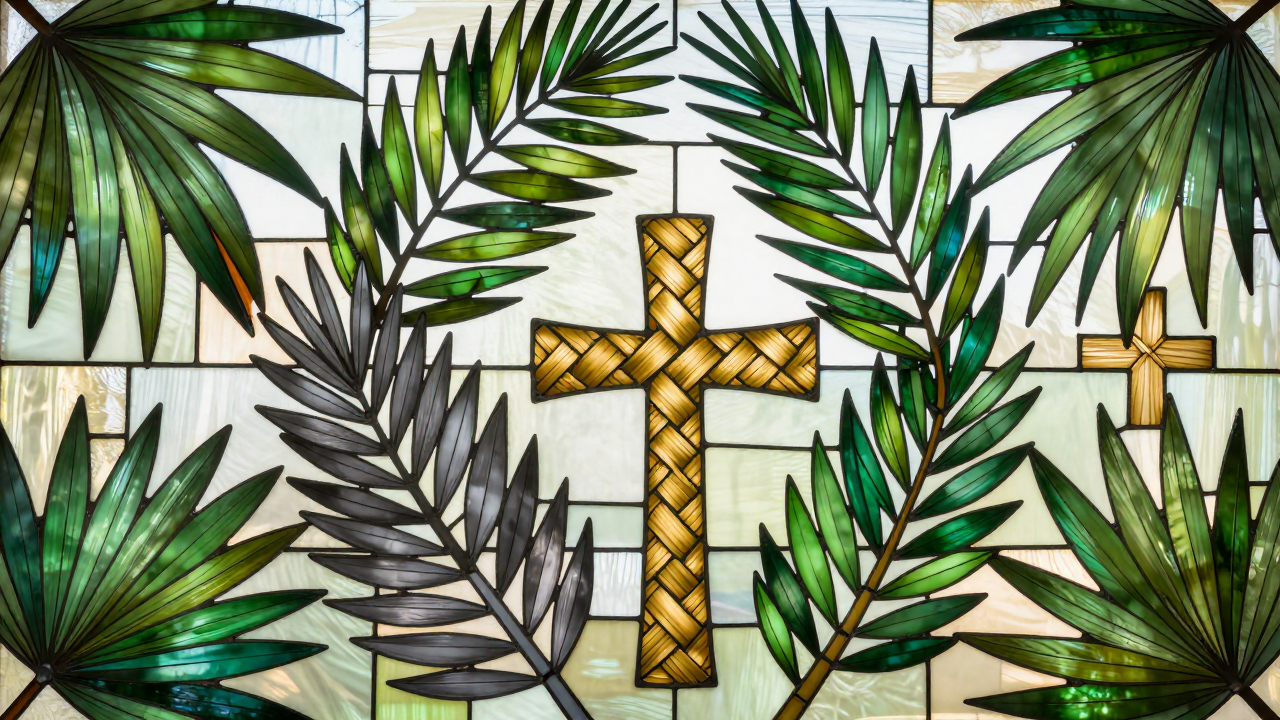
Families and congregations around the world observe Palm Sunday with great reverence and festivity. Many churches distribute palm fronds to their congregants, who often weave them into crosses as a beautiful way to remember the significance of Jesus's arrival. Services are filled with hymns, prayers, and the reading of scripture that recounts this momentous event, creating a sense of community and shared faith. As you take part in the observances on March 21, you can feel the warmth of hope and unity, setting the stage for the profound reflections of the days to follow.
History
Palm Sunday, observed on March 21, marks the beginning of Holy Week in the Christian liturgical calendar. It commemorates Jesus Christ's triumphant entry into Jerusalem, an event described in all four Gospels. According to biblical accounts, as Jesus approached the city, crowds gathered, laying palm branches and their garments on the ground before him, hailing him as the Messiah. This joyous welcome was symbolic, reflecting the people's recognition of Jesus as a king, albeit one whose reign would be defined by humility and sacrifice.
The origins of Palm Sunday can be traced back to the early Christian church, where the event was celebrated as a way to honor Jesus' mission and to prepare for the events leading to his crucifixion and resurrection. By the 4th century, the observance had become formalized, with churches holding processions that echoed the biblical account of Jesus entering Jerusalem. The use of palm branches became a central element of the celebration, symbolizing victory and peace. Over time, the observance spread throughout Christendom, adapting to various cultural contexts while maintaining its focus on the themes of triumph and impending sacrifice.
As Palm Sunday evolved, it began to take on additional cultural significances. In many Christian communities, the day is marked by processions, the blessing of palm branches, and special liturgical services. These practices foster a sense of communal identity and reflection among congregants. In various cultures, the palms are woven into crosses or other symbols, which are then displayed in homes or churches as reminders of faith and the events of Holy Week. The observance serves not only as a celebration of Jesus' entry into Jerusalem but also as a poignant reminder of the suffering he would soon endure, encapsulating a duality of joy and sorrow.
The cultural significance of Palm Sunday extends beyond the church, influencing art, music, and literature throughout history. Many hymns and liturgical texts have been composed to honor this day, reflecting its themes of hope and redemption. In contemporary society, Palm Sunday continues to hold a vital place in the Christian calendar, encouraging believers to engage deeply with the narrative of Jesus’ last days, fostering a spirit of reflection and preparation for Easter, which follows shortly thereafter. As such, March 21 is not merely a date on the calendar; it represents a profound moment in the Christian faith, steeped in history and meaning.