Pakistan Day
Pakistan
About
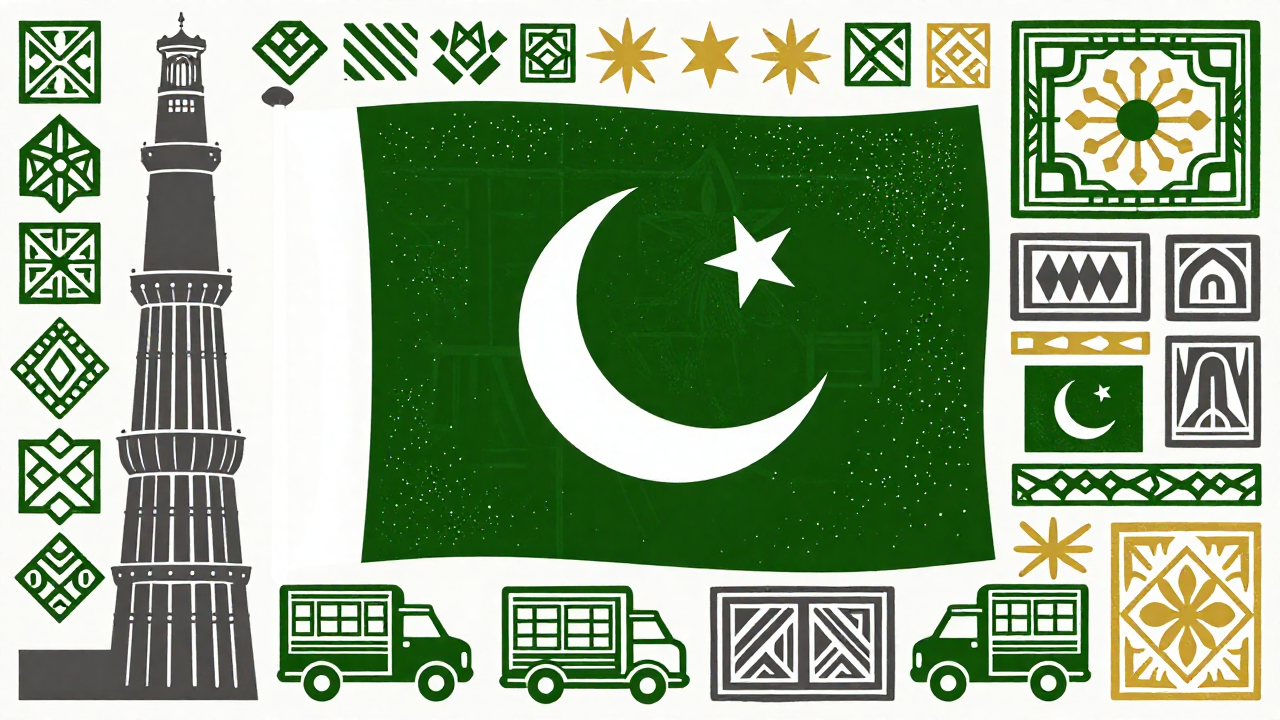
Pakistan Day, celebrated on March 23 each year, is a significant occasion that commemorates the Lahore Resolution of 1940, which laid the foundation for the creation of Pakistan. This pivotal moment in history marked the demand for a separate homeland for Muslims in the Indian subcontinent, ultimately leading to the establishment of Pakistan in 1947. On this day, citizens across the nation come together to honor their shared heritage, reflect on their journey towards independence, and celebrate the values of unity, faith, and discipline that the country stands for.
The festivities of Pakistan Day are vibrant and full of pride, featuring parades, flag-raising ceremonies, and cultural events that showcase the rich traditions of the nation. Schools and communities engage in various activities to educate younger generations about the importance of this day, emphasizing the sacrifices made by those who fought for the homeland. As the national anthem resonates through the streets and the flag flutters proudly, there is a palpable sense of patriotism and togetherness that unites the diverse population of Pakistan in a heartfelt celebration of their identity and freedom.
History
Pakistan Day, celebrated annually on March 23, commemorates two pivotal events in the history of Pakistan: the Lahore Resolution of 1940 and the adoption of the first constitution of Pakistan in 1956. The Lahore Resolution, passed on this date in 1940, was a crucial turning point in the struggle for independence from British rule, as it laid the foundation for the demand for a separate nation for Muslims in the Indian subcontinent. The resolution articulated the desire for a sovereign state that would serve as a homeland for Muslims, emphasizing their unique cultural and religious identity.
As Pakistan transitioned from a newly independent nation to a republic, March 23 also marked the day in 1956 when the country adopted its first constitution, officially becoming the Islamic Republic of Pakistan. This constitution established the framework for governance and marked a significant step in Pakistan's nation-building efforts. The dual significance of March 23 as both the day of the Lahore Resolution and the constitution's adoption has made it a focal point of national pride and reflection on the sacrifices made during the struggle for independence.
Over the years, Pakistan Day has evolved into a national celebration characterized by parades, flag-hoisting ceremonies, and various cultural events. The day serves not only as a reminder of the historical milestones but also as an occasion to reaffirm the nation’s commitment to unity, faith, and discipline, principles that are pivotal to Pakistan's identity. Educational institutions often organize programs to educate students about the importance of the day, fostering a sense of national identity among younger generations.
Culturally, Pakistan Day holds significant meaning as it reinforces national unity and patriotism. The observance is marked by speeches from political leaders, military displays, and community gatherings, showcasing the diverse cultural heritage of Pakistan. It is a day when citizens come together to celebrate their shared history and aspirations for the future, reflecting on the progress made since independence. As such, Pakistan Day is not just a historical commemoration; it is an affirmation of the country's ongoing journey toward sovereignty, democracy, and national cohesion.