Ougadi
India, Nepal
About
Ougadi, celebrated on April 7, marks the beginning of the new year for the people of Andhra Pradesh and Telangana in India. This vibrant festival is a time of renewal and joy, as families come together to welcome the auspicious start of the year with hope and positivity. The name "Ougadi" is derived from the word "Yugadi," which signifies the start of a new era. The day is steeped in rich traditions and cultural significance, reflecting the essence of Telugu heritage.
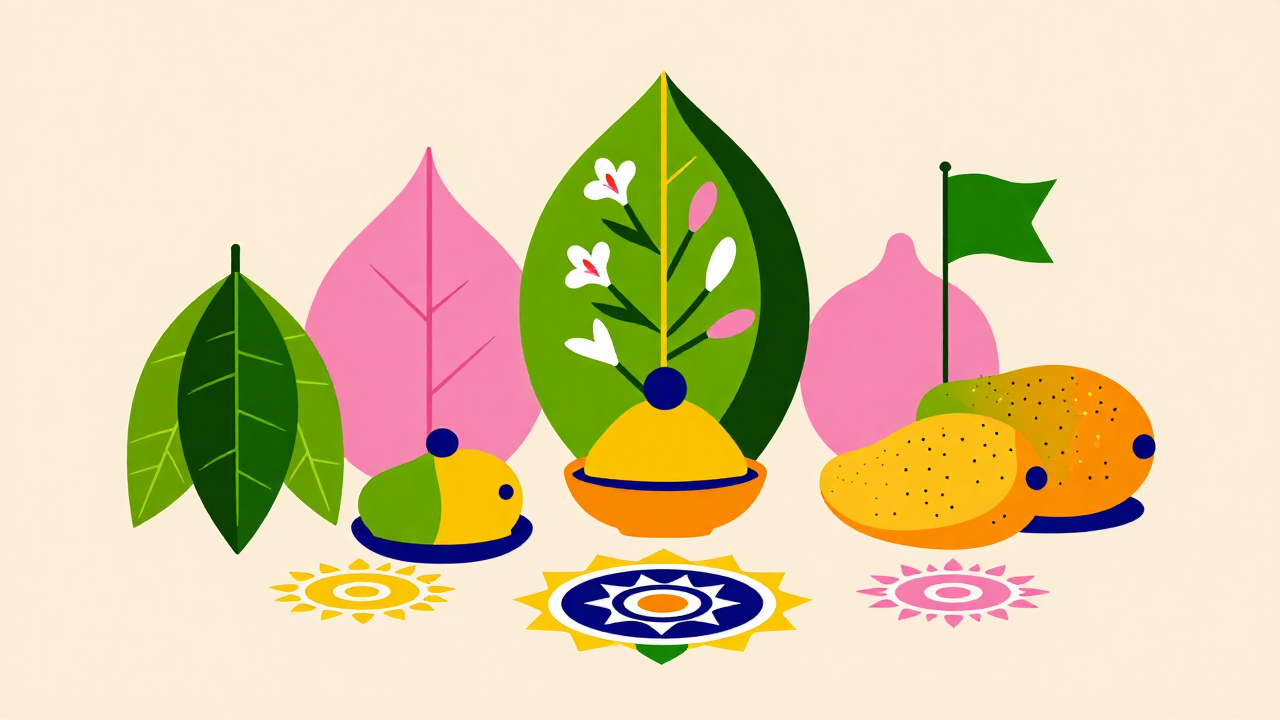
On Ougadi, homes are adorned with fresh mango leaves, symbolizing prosperity and good fortune. Families prepare delicious traditional dishes, with the highlight being "Ugadi Pachadi," a unique mixture of flavors that combines sweet, sour, salty, and bitter elements, representing the different experiences life has to offer. As people gather to celebrate, they participate in prayers and rituals to seek blessings for the upcoming year. With its vibrant festivities and deep cultural roots, Ougadi serves as a reminder of the importance of family, community, and the shared hopes for a prosperous future.
History
Ougadi, celebrated on April 7, marks the beginning of the new year in the Deccan region of India, particularly among the Telugu-speaking communities of Andhra Pradesh and Telangana. The festival's origins can be traced back to ancient Hindu traditions, where it is believed to be the day when Lord Brahma created the universe. The term "Ougadi" itself is derived from the Sanskrit word "Yugadi," which means "the beginning of a new era." This observance not only signifies the start of the new year but also aligns with the spring equinox, symbolizing renewal and the rejuvenation of nature.
Over time, Ougadi has evolved into a vibrant cultural celebration that combines religious rituals with local traditions. Initially, it may have been a more somber occasion focused solely on spiritual reflection and worship, but today, it has transformed into a festive event marked by various customs and communal activities. People prepare special dishes, such as "Ugadi Pachadi," a mixture of jaggery, neem leaves, and other ingredients representing the bittersweet experiences of life. This dish serves as a reminder of the importance of embracing both joy and sorrow in the journey of life.
Culturally, Ougadi holds significant importance as it fosters unity among families and communities. The festival encourages individuals to come together, exchange greetings, and participate in community events, thereby strengthening social bonds. Traditional practices during Ougadi include the decoration of homes with fresh mango leaves, the recitation of prayers, and the reading of the annual Panchangam, an almanac that predicts events for the upcoming year. Through these rituals, Ougadi not only celebrates the passage of time but also reinforces cultural identity and heritage among the Telugu people.
As Ougadi continues to be celebrated on April 7, it serves as a reminder of the resilience and adaptability of cultural traditions. The festival encapsulates the essence of life’s cycles, inviting people to reflect on their past while looking forward to the future with hope and optimism. In modern times, Ougadi also reflects the blend of tradition and contemporary practices, as many celebrate both in person and digitally, sharing their experiences and festivities through social media platforms. Thus, Ougadi remains a poignant expression of cultural pride and continuity in the face of change.