International Day of Reflection on the Genocide in Rwanda
Rwanda, United States, Canada, United Kingdom, France, Belgium
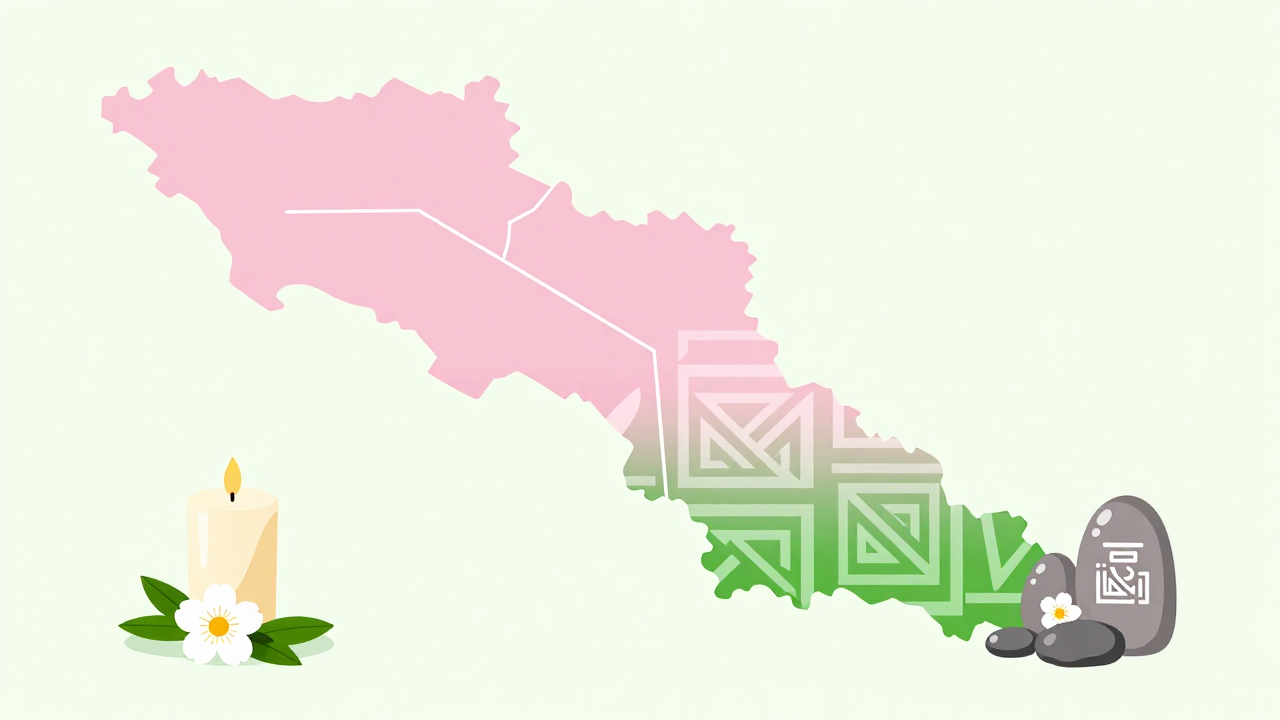
About
The International Day of Reflection on the Genocide in Rwanda is observed on April 7 each year, serving as a poignant reminder of one of the darkest chapters in human history. This day invites individuals, communities, and nations to reflect on the tragic events that unfolded in Rwanda in 1994, when the Hutu-led government orchestrated a brutal campaign against the Tutsi population, resulting in the loss of over 800,000 lives in just 100 days. It is a day dedicated to remembering the victims, honoring their families, and fostering a commitment to preventing such atrocities in the future.
As we observe this significant day, we are encouraged to engage in conversations about reconciliation, healing, and the importance of tolerance and understanding. Communities around the world gather to hold memorial services, discussions, and educational activities that illuminate the lessons learned from this tragic event. Through these reflections, we not only pay homage to those who suffered but also reinforce our shared responsibility to advocate for peace and justice, ensuring that history does not repeat itself. Let us come together on April 7 to remember, reflect, and reaffirm our collective commitment to a more compassionate and just world.
History
The International Day of Reflection on the Genocide in Rwanda is observed annually on April 7, marking the somber anniversary of one of the most tragic episodes in modern history. This observance was established by the United Nations General Assembly through resolution A/RES/58/234 on January 22, 2004, in response to the horrific events that unfolded in Rwanda between April and July 1994, during which an estimated 800,000 people, primarily from the Tutsi ethnic group, were systematically murdered by the Hutu majority government and its supporters. The day serves not only as a stark reminder of the atrocities committed but also as a call to action against genocide and a plea for the prevention of such crimes in the future.
The origins of this observance trace back to the aftermath of the genocide, which left deep scars on both the Rwandan society and the international community. The United Nations and various human rights organizations recognized the urgent need for reflection, education, and remembrance. The establishment of the International Day of Reflection came as part of a broader effort to promote healing and reconciliation in Rwanda, as well as to encourage global vigilance against hate and violence. By designating April 7 as a day of remembrance, the international community aimed to create a space for reflection on the failures that allowed the genocide to occur and to foster a commitment to ensuring that such atrocities are never repeated.
Over the years, the observance has evolved to encompass a range of activities aimed at raising awareness about the genocide and its lingering effects. Commemorative events, educational programs, and discussions are held worldwide, giving voice to survivors and emphasizing the importance of remembrance. The day also serves as a platform for reflection on the role of the international community in preventing genocide, highlighting the need for vigilance against hate speech and discrimination. Various organizations, including the United Nations and local NGOs, utilize this day to advocate for policies and actions that promote peace, tolerance, and human rights.
Culturally, the International Day of Reflection on the Genocide in Rwanda holds significant importance, especially within Rwanda itself, where it coincides with a week of mourning known as "Kwibuka," meaning "to remember." This period is marked by memorial services, educational initiatives, and public discussions that focus on the impacts of the genocide and the importance of unity and reconciliation. The observance encourages not only remembrance of the past but also a commitment to fostering a more peaceful and inclusive society, emphasizing the collective responsibility to combat hatred and intolerance.