Orthodox Easter Monday
Greece, Serbia, Russia, Bulgaria, Cyprus, Ukraine, Georgia, Romania, Moldova, Montenegro
About
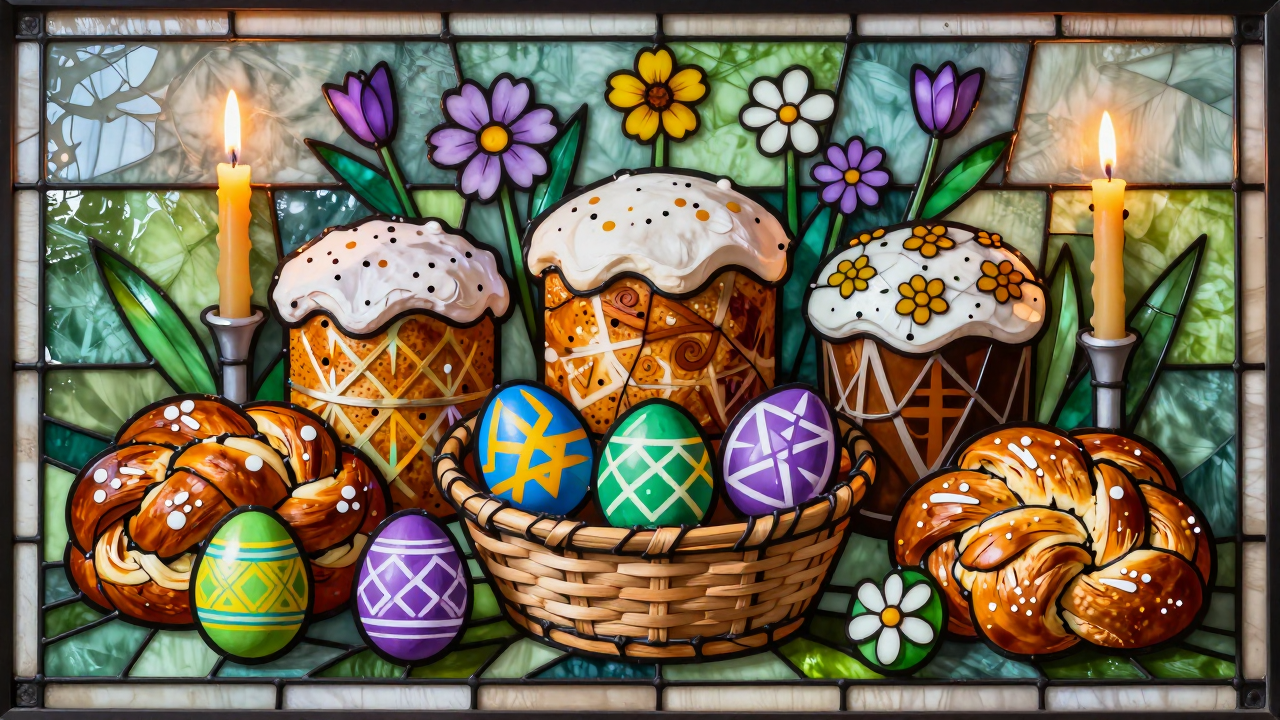
Orthodox Easter Monday, observed on May 3, is a joyful continuation of the celebrations that begin with Orthodox Easter Sunday. This day is a significant occasion for many Christians around the world, particularly those who follow the Eastern Orthodox tradition. It serves as a time for reflection and gratitude, as well as an opportunity to gather with family and friends in the spirit of community and love.
On Orthodox Easter Monday, many people partake in festive meals, often featuring traditional dishes that have been prepared for the occasion. It is common to see families sharing in the joy of resurrection with feasts that celebrate both the end of fasting and the arrival of spring. In some cultures, this day is marked by various customs, including outdoor activities, dancing, and even playful games, all of which foster a sense of unity and happiness among participants. As communities come together to observe this special day, they embrace the themes of renewal and hope that resonate deeply within the Easter season.
History
Orthodox Easter Monday, observed on May 3, is a significant day in the Eastern Orthodox Christian tradition, marking the continuation of the Easter celebrations that began the previous Sunday with Orthodox Easter. The origins of this observance can be traced back to the early Christian church, which adopted a practice of celebrating the resurrection of Jesus Christ. The date of Orthodox Easter is determined by the Julian calendar, which often places it after the Western Easter, leading to unique traditions and observances within Orthodox communities.
Historically, the day following Easter Sunday has been a time for families and communities to gather in celebration. In many Orthodox cultures, Easter Monday is often associated with the conclusion of the Holy Week festivities, which include various liturgical services and communal meals. The day was seen as an extension of the joy and celebration of Easter, allowing for more time to reflect on the resurrection and its significance to the faith. Over time, local customs developed around this observance, often incorporating regional traditions, foods, and communal activities.
Culturally, Orthodox Easter Monday is imbued with significance across various Orthodox communities. It is a day of rest and relaxation, where families might partake in picnics, outdoor gatherings, and festive meals featuring traditional dishes. In some regions, it is also a time for visiting relatives and sharing in the joyous spirit of the resurrection. The observance reinforces community bonds and allows for the sharing of cultural heritage, as many practices are passed down through generations.
As the observance has evolved, it has maintained its core focus on the themes of renewal, joy, and community. The emphasis on gathering and celebrating with loved ones remains a hallmark of Orthodox Easter Monday. Today, as communities continue to uphold these traditions, the day serves as a reminder of the enduring faith and resilience of the Orthodox Christian heritage, making May 3 a day of both spiritual reflection and cultural celebration.